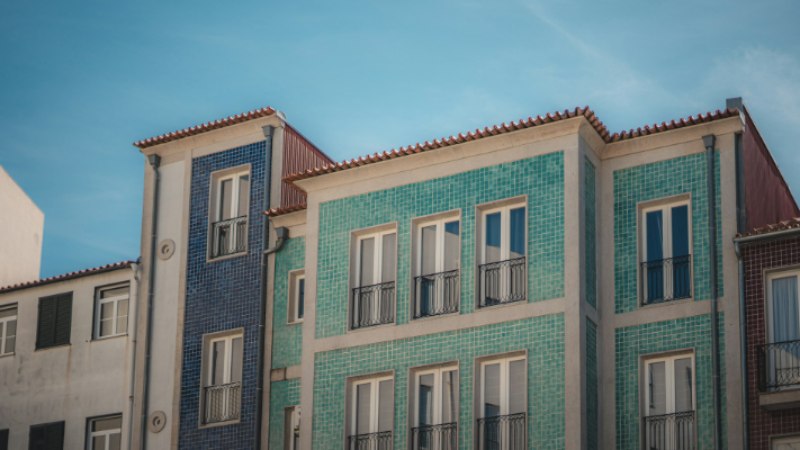
For international buyers, buying a home in Portugal can be an exciting prospect. The country offers everything from historic apartments in Lisbon and Porto to contemporary villas in Cascais and resort properties along the Algarve coast.
But an attractive property is not necessarily the right property. International buyers should be aware of considerations which may not be immediately obvious when viewing, especially if they are unfamiliar with Portuguese construction, property documentation and local practices.
From legal status and energy efficiency to orientation and location, knowing what to look for when buying a home in Portugal can prevent expensive surprises later.
Location Should Work for Everyday Life
International buyers often begin their search with a particular destination in mind. Lisbon, Cascais and the Algarve naturally receive significant attention, but choosing the right neighborhood is just as important as choosing the right city.
A sea view may be attractive, but everyday considerations can have greater impact. How long does it take to reach work or school? Is public transport available? Are supermarkets, healthcare and restaurants nearby?
The answer also depends on how the property will be used. A vacation home buyer may want beaches and privacy, while a family moving here permanently may be more interested in schools and services year round.
Spending time in the area before buying can reveal things photographs never show, including traffic, noise and how a neighborhood changes between summer and winter.
Understand What You Are Legally Buying
Before becoming committed to a property, international buyers should have an independent Portuguese lawyer conduct legal due diligence.
The lawyer should confirm ownership and review the relevant registration, tax and licensing documentation. Existing mortgages, liens or other encumbrances should also be identified.
One important issue is whether the property that physically exists corresponds with its official documentation.
A villa may contain an extension, swimming pool or converted garage that was never properly authorized. Alterations to approved plans may be present in apartments.
These differences do not necessarily mean that you have to give up on the property but they need to be understood before proceeding.
Anyone unfamiliar with the process of buying real estate in Portugal should understand the legal stages before signing a binding purchase agreement or paying a substantial deposit.
Look Beyond Cosmetic Renovations
Fresh paint, new flooring and a modern kitchen can transform a property without addressing more fundamental problems.
International buyers should pay attention to the roof, windows, plumbing, electrical installations and insulation, particularly with older Portuguese properties.
Moisture deserves special attention. Portugal may be known for sunshine, but older buildings can suffer from humidity, condensation and inadequate ventilation. Coastal properties can be subject to more wind and salt.
A technical inspection can therefore be worthwhile, particularly when purchasing an older villa, extensively renovated property or high-value home.
The objective is not to find a property without imperfections, but to understand its true condition before agreeing on a price.
Orientation and Energy Efficiency Matter
Portugal’s climate makes orientation an important but sometimes underestimated consideration.
A house can feel very different with natural light, and too much sun can increase cooling needs in the summer. Winter can make badly insulated properties surprisingly cold.
Buyers should review the property’s energy certificate and consider the quality of windows, heating, cooling and insulation.
Modern properties tend to be more efficient but age is not the sole determinant of efficiency A properly renovated older house can outperform a new property.
These features can make a big difference in comfort and energy bills for a person planning on living in Portugal year-round.
Additional checks for apartments
Buying an apartment means getting a private property in a building with shared responsibilities.
Buyers need to understand condo fees and what they cover. Monthly cost can be much higher for buildings with elevators, swimming pools, gardens or security.
Owners may also have to contribute extra money for major works such as roof repairs, façade restoration or elevator replacement.
Condominium meeting minutes can provide useful information about planned works, disputes and recurring problems within the building.
Noise should also be considered. An apartment that seems quiet during a weekday morning viewing may feel very different during evenings or weekends.
True Cost of Ownership Considerations
The advertized price is only part of the cost of buying a home in Portugal.
Buyers should also consider acquisition taxes, legal fees, registration and other transaction costs. Also to be considered is the annual municipal property tax, known as IMI, plus condominium fees, insurance and maintenance.
Under rules introduced in 2026, buyers who are not Portuguese tax residents are generally subject to a 7.5% IMT rate when purchasing residential property.
Running costs can vary considerably. Maintaining a villa with a swimming pool and garden is very different from owning an apartment in a managed building.
Calculating these expenses before making an offer provides a more realistic picture of affordability.
Do Not Rely Only on the Listing Agent
International buyers sometimes assume the agent showing a property is effectively representing both sides of the transaction.
Buyers should remember that the listing agent has been engaged to market a particular property and has a relationship with the seller.
An independent real estate agent in Portugal, known as a buyer’s agent can search across different agencies, organize viewings, compare properties and approach negotiations from the purchaser’s perspective.
This can be particularly useful for overseas buyers who do not speak Portuguese or cannot spend weeks visiting properties themselves.
Separate legal representation is just as important. The roles are complementary. The buyer’s agent assists with the property search and commercial process while the lawyer protects the buyer’s legal interests.
Think Resales Before You Buy
Buyers should also be thinking about how easy it could be to ultimately sell even when buying a permanent home.
Highly personal features may be a great fit for the current owner but may reduce the pool of future buyers. Isolated properties can be private but take longer to sell. Homes without parking may also be less desirable in areas where you need a car.
Location, access, build quality and sensible layouts tend to remain important in all market conditions.
A family home does not need to be treated purely as an investment, but considering future marketability provides another useful perspective when comparing properties.
The Right Home Is More Than a Beautiful Property
International buyers have access to an exceptionally varied Portuguese property market, but successful purchases require looking beyond photographs and first impressions.
The right home should work legally, technically, financially and practically. The place must be suitable for day to day living, the paperwork must match the physical property and the ongoing costs must fit in the buyer’s budget.
Taking time to investigate these factors may make the property search slightly longer. But when buying a home in another country, understanding exactly what you are purchasing is far more important than simply finding the property that makes the strongest first impression.