
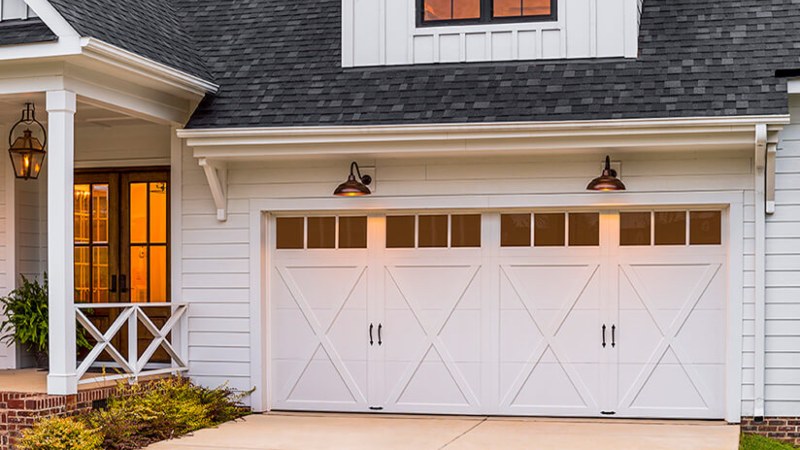
Garage doors come in a range of standard sizes designed to fit most residential and commercial openings. Choosing the right size is not just about whether your car fits—it also affects insulation, curb appeal, safety, and future flexibility if you upgrade your vehicle or add storage systems.
Whether you’re building a new home or replacing an old door, understanding standard garage door dimensions will help you avoid costly customization and installation issues. Below is a complete breakdown of common garage door sizes and how to choose the right one for your home.
Single Garage Door Standard Sizes
Single garage doors are designed for one vehicle and are the most common type in residential homes. They are typically found in older homes, smaller properties, or homes with separate single-car garages.
The most common standard width for a single garage door is 8 feet, 9 feet, or 10 feet, with a standard height of 7 feet. Among these, 9×7 feet is currently the most widely used modern standard because it comfortably fits most sedans, SUVs, and compact trucks.
In newer homes, homeowners often prefer a wider single garage door (10 feet wide) to make parking easier and allow more clearance on both sides of the vehicle. This is especially helpful for larger SUVs and pickup trucks.
Standard single garage door sizes include:
- 8’ × 7’
- 9’ × 7’
- 10’ × 7’
Some homes also feature taller options (8 feet high) to accommodate lifted vehicles, vans, or roof racks.
Double Garage Door Standard Sizes
Double garage doors are designed to fit two vehicles side by side. They are popular in modern suburban homes because they provide a clean, unified exterior appearance and are easier to automate than two separate single doors.
The most common double garage door width is 16 feet, with a standard height of 7 feet. This 16×7 size has become the industry standard for most residential construction.
However, variations do exist depending on home design and vehicle size. Some homeowners prefer an 18-foot-wide door for extra space, especially if they own large SUVs or want easier maneuvering.
Standard double garage door sizes include:
- 12’ × 7’ (less common, compact double garage)
- 14’ × 7’
- 16’ × 7’ (most common)
- 18’ × 7’
For taller vehicles, double doors may also come in 8-foot heights (e.g., 16×8).
Oversized and Custom Garage Door Sizes
Not all garages follow standard dimensions. Oversized garage doors are becoming increasingly popular, especially in homes with RVs, lifted trucks, or workshop spaces.
RV garage doors can be significantly larger, with widths ranging from 10 feet up to 14 feet per door opening, and heights ranging from 8 feet to 14 feet or more. These doors are often custom-built due to their size and structural requirements.
Custom garage doors are also common in luxury homes or modern architectural designs where aesthetics and proportion matter as much as function. In these cases, the garage door may be designed to match the facade of the house rather than follow standard sizing.
Standard Garage Door Heights
While width varies more depending on the number of vehicles, garage door height is relatively standardized.
The most common garage door height in residential homes is 7 feet. This height accommodates most passenger vehicles, including SUVs and mid-size trucks.
However, 8-foot-tall doors are becoming more common in new construction. They provide extra clearance for taller vehicles, roof racks, and modern trucks, which are often higher than older car designs.
For specialized use cases like RVs or commercial garages, heights can extend far beyond 8 feet.
Garage Door Sizes for Two-Car vs Three-Car Garages
In multi-car garages, the layout determines the door size configuration. A two-car garage may use either a single double door or two separate single doors.
A single 16×7 double door offers a clean, modern look and easier automated control, but two separate doors (such as 9×7 each) provide more flexibility. For example, one door can remain closed while the other is used daily.
Three-car garages often use a combination of:
- Two single doors + one double door
- Three single doors
- One oversized double door + one single door
Each configuration depends on the home design and driveway layout.
Rough Opening vs Actual Door Size
One of the most important things homeowners often overlook is the difference between the garage door size and the rough opening size.
The rough opening refers to the framed structural space where the door is installed. It is usually slightly larger than the actual door to allow for tracks, hardware, and proper installation clearance.
For example, a 16×7 garage door typically requires a rough opening that is slightly wider and taller to ensure smooth installation and operation. Professional installers account for this difference during construction or replacement.
Garage Door Openers and Standard Sizes (Important Compatibility Factor)
Garage door openers play a crucial role in how your garage door functions day to day, and their compatibility is closely tied to door size and weight.
Most residential garage doors—especially standard single 9×7 or double 16×7 doors—are compatible with common automatic garage door openers. These systems typically use chain-drive, belt-drive, or screw-drive mechanisms mounted on the ceiling.
Heavier or oversized doors may require more powerful openers with higher horsepower ratings. For example, a standard single door often works well with a ½ HP opener, while heavier double doors or insulated doors may require ¾ HP or higher for smooth operation.
Modern systems also integrate smart features, allowing homeowners to control their automatic garage door opener through mobile apps. This adds convenience by enabling remote access, scheduling, and real-time security alerts.
It’s also important to note that garage door opener rail length must match door height. For instance, an 8-foot-tall door usually requires an extended rail kit to ensure proper lifting range.
When selecting a garage door size, it’s smart to consider the opener at the same time. A properly matched system improves performance, reduces strain on components, and extends the lifespan of both the door and the motor.
How to Choose the Right Garage Door Size
Choosing the correct garage door size depends on more than just your current vehicle. It’s important to consider future needs, storage space, and ease of use.
If you drive a standard sedan, a 9×7 single door is usually sufficient. However, if you own or plan to own larger vehicles like SUVs or trucks, a 10-foot-wide single door or a 16-foot double door may be more practical.
For families with multiple drivers, double doors provide convenience and a more balanced exterior appearance. On the other hand, separate single doors offer better flexibility and reduce heat loss when only one side is used.
Final Thoughts
Standard garage door sizes are designed to accommodate most residential needs, but there is still plenty of flexibility depending on your home layout and lifestyle. The most common sizes—9×7 for single doors and 16×7 for double doors—work well for the majority of households, while oversized and custom options provide solutions for specialized vehicles and modern architectural designs.
Before making a final decision, always measure your garage opening carefully and consider both your current and future needs. A properly sized garage door improves functionality, enhances curb appeal, and ensures long-term convenience for everyday use.