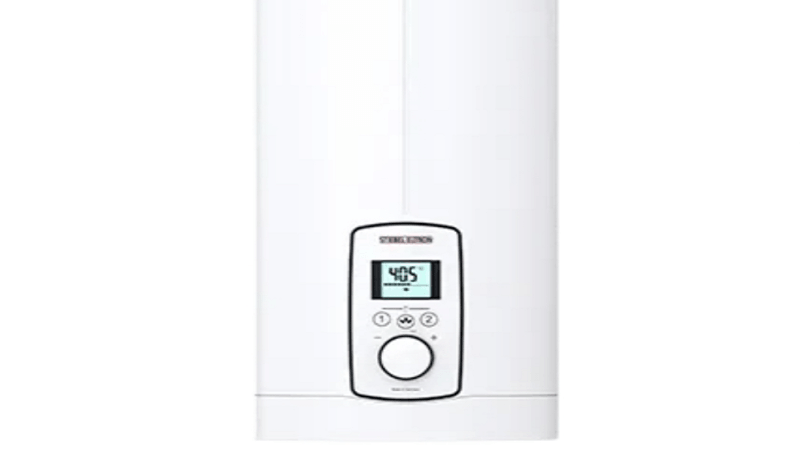
When it comes to choosing a hot water solution for your home, understanding the long-term costs and overall value of different systems is crucial. Many homeowners researching energy-efficient options look into Stiebel Eltron heat pump pricing from Atomic Hot Water because heat pump systems offer a compelling balance of performance and sustainability. But how do heat pump systems compare to traditional electric hot water systems in terms of upfront cost, ongoing running expenses and long-term value? This article breaks down the key differences to help you make a confident, informed decision.
Whether you are building a new home, upgrading an old system or aiming to reduce energy bills, knowing how each system performs financially and practically will ensure you get the most out of your investment.
What Are Electric Hot Water Systems?
Electric hot water systems use electric resistance elements to heat water inside a storage tank. These systems are common in many Australian homes due to their simplicity and relatively low upfront cost.
The basic components include:
- An insulated tank
- Electric heating elements
- Thermostats and safety devices
When hot water is drawn from the tank, the system heats incoming cold water until the desired temperature is reached. Electric systems are straightforward in design, easy to maintain and widely available. However, this simplicity comes with ongoing operational costs that should be weighed against other technologies.
What Are Heat Pump Hot Water Systems?
Heat pump hot water systems operate differently from traditional electric models. Instead of generating heat directly, they extract heat from the surrounding air and transfer it to the water. This process is similar to how a refrigerator works but in reverse.
Key components of a heat pump system include:
- An outdoor heat absorber
- A compressor
- A heat exchanger
- A storage tank
Because heat pumps move energy rather than produce it, they operate much more efficiently. For every unit of electricity used, they can generate multiple units of heat, significantly lowering running costs. Stiebel Eltron heat pump systems are among the industry’s leaders, known for efficient design, durability and quality, features that influence both performance and pricing.
Upfront Costs: Electric vs Heat Pump Systems
One of the most noticeable differences between electric and heat pump systems is the upfront investment.
Electric System Costs
Electric hot water systems typically have lower purchase and installation costs. They are simple in design and require less specialised equipment, which helps reduce initial expenditure. For homeowners on a tight budget or those needing a quick replacement, an electric system may appear appealing at first glance.
Heat Pump System Costs
Heat pump systems generally have higher upfront costs, both in terms of the unit itself and installation. This price reflects the more sophisticated technology and additional components required. For many homeowners, the slightly higher initial investment is offset over time through reduced energy bills and improved system lifespan.
Running Costs Comparison
The ongoing cost of operating a hot water system is where heat pump technology often shines.
Electric Systems
Electric systems rely entirely on resistance heating, which takes a significant amount of electricity to generate heat. As electricity prices continue to rise, this can translate into higher household utility bills. For families with high hot water usage, operational costs can become a notable part of monthly expenses.
Heat Pump Systems
Heat pump systems are substantially more efficient. By capturing heat from the air, they require less electricity to achieve the same output. In practical terms, heat pump systems can be up to three times more energy-efficient than traditional electric systems. This means lower running costs throughout the year, particularly in moderate to warm climates like most parts of Australia. Over the life of the system, savings on energy bills can be significant, reducing total cost of ownership.
Environmental Impact
In addition to financial savings, heat pump systems offer environmental advantages. Their higher efficiency translates into lower greenhouse gas emissions when compared with standard electric systems. For environmentally conscious homeowners, this can be a compelling factor, especially as energy policies and sustainability goals become more prominent.
Lifespan and Reliability
Another important factor in comparing electric and heat pump systems is longevity.
Electric Systems
Electric systems are reliable and relatively easy to service. However, the internal elements that generate heat may wear over time and require replacement. Typical lifespans range from 8 to 12 years, depending on usage, maintenance, and water quality.
Heat Pump Systems
Heat pump hot water systems often have longer service lives due to their efficient operation and reduced stress on heating components. With proper maintenance, many units remain effective beyond 12–15 years. This extended lifespan contributes to the overall value proposition.
Maintenance and Servicing
Both electric and heat pump systems require periodic servicing to maintain performance and safety. Electric systems generally involve straightforward checks of elements and thermostats. In contrast, heat pump systems may require additional attention to components such as compressors, refrigerant levels, and air filters. Working with qualified technicians ensures that servicing is performed correctly and that systems operate at peak efficiency.
Considering Long-Term Value
When evaluating the value of a hot water system, it is important to look beyond the purchase price. Consider:
- Purchase and installation cost
- Ongoing running expenses
- Longevity of the system
- Impact on energy bills
- Environmental benefits
Heat pump systems typically offer superior long-term value due to lower operational costs and extended lifespan. While the upfront price may be higher, many homeowners find that savings over time justify the investment.
Conclusion
Choosing between an electric hot water system and a heat pump system involves balancing short-term affordability with long-term savings and efficiency. Electric systems may be suitable for immediate replacement needs or tighter budgets, but heat pump systems deliver better value over time through reduced energy costs, environmental benefits and durability.
Evaluating both upfront and ongoing expenses gives a clearer picture of total cost and performance. With reputable options such as Stiebel Eltron heat pump pricing from Atomic Hot Water, homeowners can confidently select a system that meets both budget and lifestyle needs, ultimately enjoying comfortable, efficient hot water for years to come.