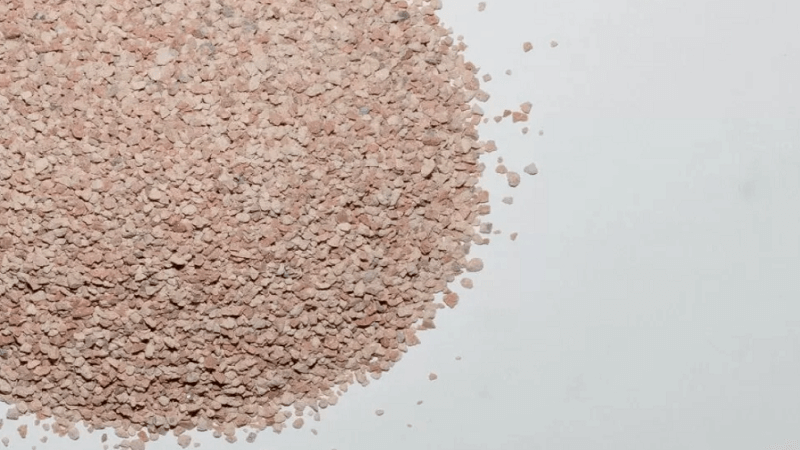
Natural minerals play an important role in many industrial, agricultural and environmental processes. One mineral that has gained widespread attention for its versatility is zeolite. Known for its unique porous structure and ion-exchange capabilities, zeolite is used across a range of industries including water treatment, agriculture and chemical processing. Many organisations sourcing filtration and treatment materials rely on a trusted natural zeolite supplier James Cumming to obtain high-quality mineral products suitable for industrial applications.
Understanding how natural zeolite works and where it is commonly used helps explain why it has become such an important material in modern environmental and industrial systems.
What Is Natural Zeolite?
Zeolites are naturally occurring minerals composed of hydrated aluminosilicates with a highly porous crystal structure. This structure allows zeolite to trap and exchange ions, absorb moisture and capture contaminants. Because of its three-dimensional network of microscopic channels, zeolite can selectively absorb substances such as ammonia, heavy metals and other pollutants. These characteristics make it highly effective for filtration, purification and environmental management applications.
How Zeolite Works
The effectiveness of zeolite comes from two main properties: adsorption and ion exchange.
- Adsorption: The mineral’s porous structure traps particles and impurities within its microscopic channels.
- Ion exchange: Zeolite can exchange certain ions within its structure with ions present in liquids or gases.
This ability allows zeolite to remove contaminants from water, soil and air while maintaining overall chemical balance in the environment.
Water Treatment and Filtration Applications
One of the most common uses of natural zeolite is in water filtration systems. The mineral’s adsorption properties allow it to capture contaminants that would otherwise remain in water supplies.
Natural zeolites are effective at removing substances such as:
- Ammonia
- Heavy metals
- Organic pollutants
- Suspended particles
These properties make zeolite a valuable component in wastewater treatment systems and water purification facilities. In some filtration systems, zeolite can enhance purification performance by improving contaminant removal efficiency. Because it operates without harsh chemicals, it is often considered an environmentally friendly filtration material.
Agricultural Benefits of Zeolite
Zeolite is also widely used in agriculture as a soil conditioner and fertiliser additive. When mixed into soil, the mineral improves nutrient retention and water distribution around plant roots.
Zeolite helps soil retain moisture and essential nutrients such as nitrogen and potassium, allowing plants to access them more efficiently.
This leads to several benefits:
- Improved soil structure
- Increased crop yield
- Reduced fertiliser loss
- Better water management
Since zeolite does not break down easily in soil, its benefits can continue for long periods after application.
Industrial and Environmental Applications
Beyond agriculture and water treatment, natural zeolite is used in a variety of industrial processes.
For example, zeolites can act as catalysts in petrochemical processes, helping accelerate chemical reactions during refining and manufacturing operations.
Other industrial uses include:
- Gas purification
- Odour control
- Air filtration systems
- Environmental remediation projects
These applications demonstrate the mineral’s versatility across many different industries.
Sustainable and Environmentally Friendly Material
Natural zeolite is often valued for its environmental benefits. Because it is a naturally occurring mineral, it can be used in filtration and treatment processes without introducing synthetic chemicals. Its long service life also reduces the need for frequent replacement compared with some other filtration media. These characteristics make zeolite a practical solution for industries seeking sustainable materials for environmental management.
Why Quality Supply Matters
The performance of zeolite in industrial applications depends heavily on the quality and processing of the mineral. Factors such as particle size, purity and mineral composition influence how effectively the material performs in filtration or agricultural systems.
Working with experienced suppliers ensures the mineral meets the required specifications for each application. Reliable suppliers provide consistent product grading and technical guidance to support industries using zeolite in filtration, agriculture or chemical processes.
The Role of Experienced Mineral Suppliers
Companies with long-standing expertise in industrial minerals play an important role in supplying materials used in environmental and filtration systems.
For example, James Cumming & Sons has been operating in Australia since 1909, supplying industrial minerals and filtration media to water treatment and industrial sectors. Experienced suppliers help ensure that materials such as zeolite are processed and delivered according to industry requirements, supporting reliable performance in real-world applications.
Conclusion
Natural zeolite is a highly versatile mineral used in many industries due to its unique porous structure and ion-exchange capabilities. From water purification and wastewater treatment to agricultural soil improvement and industrial filtration, its applications continue to expand.
Because of its environmental benefits, durability and effectiveness, zeolite remains an important material for sustainable resource management. By sourcing high-quality materials from trusted suppliers, industries can take full advantage of the mineral’s natural properties while improving operational efficiency and environmental outcomes