
A blocked drain creates two problems at once: a physical obstruction and uncertainty about what is happening below ground. Water may empty slowly, a toilet may rise after flushing, or an outside gully may overflow with little warning. Clearing the immediate restriction matters, but a lasting solution also depends on identifying why the problem developed and whether the pipe itself remains sound.
Professional drain clearance and CCTV inspection address those two needs in a logical order. Clearance restores flow; camera inspection provides visual evidence of the pipe’s internal condition. Used together, they help property owners move from a stressful call-out to an informed decision about cleaning, maintenance or repair.
When a Drain Problem Needs More Than a Quick Fix
A single slow basin can sometimes be traced to waste trapped close to the plughole. The picture changes when several fixtures are affected, unpleasant smells return, water backs up at a lower point, or the same drain blocks again after being cleared. Those patterns suggest that the cause may sit deeper in the system.
External warning signs also deserve attention. Standing water around a gully, damp ground near a drainage route, movement around a chamber, or wastewater appearing in an unexpected place can indicate a more serious restriction or defect. If sewage is entering a building or creating a contamination risk, unnecessary water use should stop and the area should be kept clear until suitable help arrives.
The important distinction is between a symptom and a cause. Removing enough material to make water disappear may provide short-term relief, but it does not confirm that the drain is clean, structurally intact or unlikely to block again.
What Professional Drain Clearance Should Achieve
A well-managed visit starts with questions: which outlets are affected, when the issue began, whether it has happened before, and what has already been tried. The engineer then identifies a safe access point and assesses the likely route of the drainage. This early work helps avoid treating the wrong section of pipe or pushing debris into a less accessible location.
The clearance method should match the obstruction and the condition of the pipework. Mechanical tools may be appropriate for a localised obstruction, while high-pressure water jetting can remove grease, scale, silt and other deposits from a longer run. Specialist cutting equipment may be considered for tougher material. The aim is not to use the most aggressive method available; it is to restore a clear flow without causing avoidable damage.
Completion should include more than an assurance that the blockage has gone. Water should be tested through the affected system, the work area should be left clean, and the customer should understand what was removed. If the behaviour of the drain or the engineer’s findings raise a structural concern, that is the point at which CCTV inspection becomes especially valuable.
How CCTV Inspection Replaces Guesswork with Evidence
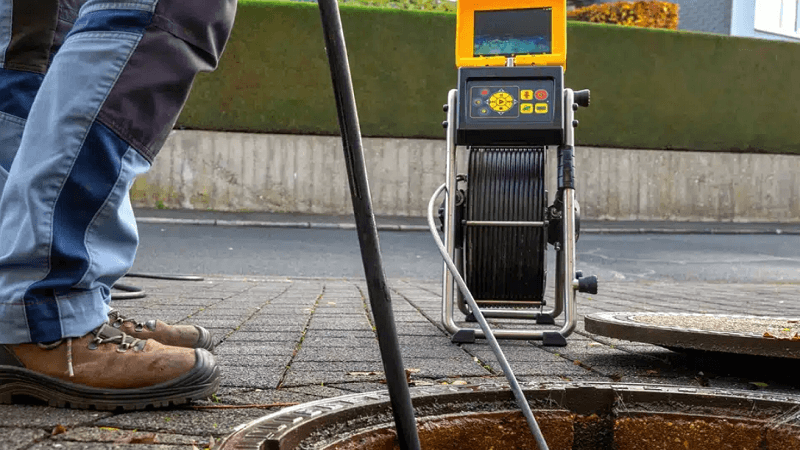
A CCTV drain survey uses a purpose-built camera to examine the inside of accessible pipework. Depending on the system and the condition found, the camera can show the route of the drain, the position of a defect and the type of obstruction present. Instead of relying only on where water happens to appear, the engineer can relate the symptom to visible conditions inside the line.
The clearest footage is usually obtained when enough of the obstruction has first been removed. Heavy standing water or dense debris can obscure the lens and hide the pipe wall. This is why clearance and inspection are often complementary stages rather than interchangeable services. In some cases an initial camera pass helps guide the work; in others, the useful inspection is the one completed after flow has returned.
A useful handover explains what the images show in ordinary language. It should identify relevant locations, separate urgent defects from routine maintenance issues, and distinguish confirmed observations from possibilities that need further access or investigation. Footage is most helpful when it supports a clear decision, not when it is delivered without context.
Common Findings Inside Domestic and Commercial Drains
Many blockages are caused by gradual accumulation rather than a single event. Fats, oils and food residue can narrow kitchen waste pipes; hair and soap deposits can slow bathroom drainage; and silt, leaves or grit can restrict outside gullies. Wipes and other unsuitable items may lodge at a joint or combine with existing deposits to form a stubborn obstruction.
Recurring problems may reveal a different category of issue. Camera footage can help identify root intrusion, displaced joints, fractures, deformation, poor alignment or a partially collapsed section. It can also show residual deposits after an incomplete clearance. These findings matter because the correct response could range from targeted cleaning to a local repair, lining work or excavation.
Not every visible imperfection requires immediate construction work. The significance depends on its location, severity, effect on flow and likelihood of deterioration. A responsible recommendation should connect the evidence to the proposed action and explain what may happen if the work is monitored rather than completed straight away.
Why Clearance and CCTV Work Better as One Process
Clearance answers the urgent question: can normal drainage be restored safely? CCTV answers the next one: what condition was revealed once the line became accessible? Treating them as one diagnostic process reduces the risk of repeating the same call-out without learning anything new.
This combined approach is particularly useful when blockages recur, when more than one outlet is affected, after structural repair, or when a property owner needs a documented view of a troublesome run. It may also help before major building work where drainage routes and condition could influence the plan. The survey scope should always be agreed in advance, because access and visibility vary from property to property.
From First Call to Clear Handover
- Describe the symptoms accurately. State which fixtures are affected, whether wastewater is overflowing and whether the problem is intermittent or constant.
- Confirm access and immediate risks. Share the location of known chambers or gullies, parking or access restrictions, and any vulnerable areas that need protection.
- Assess before selecting equipment. The engineer should decide how to approach the obstruction after considering the pipework, access and likely cause.
- Restore flow and verify it. Clearance should be followed by a practical flow test rather than judged only by the removal of one visible item.
- Inspect and explain where needed. CCTV footage should lead to an understandable summary of findings, options and any recommended next step.
Choosing a Drainage Specialist in Stevenage
Searching for a blocked drain Stevenage service is only the beginning. Before booking, confirm that the provider covers the property, can respond within the required timeframe, carries equipment suited to the issue and will explain any change in scope before extra work is completed. A local landing page is useful, but the conversation should establish what the actual visit includes.
Quick Clear Drainage describes drain cleaning, high-pressure jetting, CCTV survey capability, repair options and coverage across the SG1 and SG2 postcode areas on its Stevenage page. Customers should still provide the specific symptoms and access details when requesting a quote, because the right method and price depend on the condition found at the property.
Evidence of professionalism is found in the process as much as the equipment. Look for clear communication, a defined scope, sensible protection of the site and a willingness to show why further work is recommended. A provider should be able to explain both what is known and what cannot be confirmed until access or inspection is available.
Questions to Ask Before Authorising the Work
- Is the quoted price for attendance, clearance, CCTV inspection or a complete package?
- What circumstances could change the method or cost, and how will approval be obtained?
- Will the affected section be flow-tested after the obstruction is cleared?
- If a camera is used, will the findings include usable footage, still images or a written summary?
- How will the engineer distinguish routine deposits from a structural defect?
- What immediate maintenance or repair is recommended, and what can reasonably be monitored?
These questions make quotations easier to compare. A low headline price may cover only the initial call-out, while another proposal may include clearance, verification and a record of the result. Comparing the same scope is more useful than comparing figures that represent different levels of service.
Know Who Is Responsible for the Pipe
Responsibility should be checked before private work is authorised. In the Thames Water area, drainage within a property boundary that serves only that property is generally the owner’s responsibility. Shared sewers and public sewers are generally the water company’s responsibility, including some shared sections that cross private land. The layout of older or divided properties can make the boundary less obvious, so it is worth confirming ownership when neighbouring premises are also affected.
Tenants should report drainage problems promptly to the landlord or managing agent unless an emergency arrangement states otherwise. Commercial occupiers should also check the lease and maintenance agreement. Establishing responsibility early avoids unnecessary private call-outs and helps the correct organisation respond.
How to Reduce the Risk of Another Blockage
Prevention starts with what enters the system. Cooking fats and oils should be cooled and disposed of rather than poured into a sink. Food scraps belong in the appropriate waste stream, and toilets should be used only for human waste and toilet tissue. In bathrooms, simple strainers can catch hair before it travels into the waste pipe.
Outdoor drainage needs a different routine. Keep gullies clear of leaves and loose debris, watch for standing water after rainfall, and deal with slow flow before it becomes an overflow. Properties with a history of grease, silt or root problems may benefit from a planned inspection or cleaning schedule based on evidence from previous visits.
Chemical products should not be mixed or repeatedly used as a substitute for diagnosis. They may not reach a deeper obstruction, and information about anything already placed in the drain should be shared with the attending engineer. Good maintenance is specific to the cause found; it is not a promise that every future blockage can be prevented.
What a Useful CCTV Report Should Tell You
A useful record identifies the section inspected, the access point, the direction of travel and any limits on visibility. Defects should be described with enough location information for future work to target the correct place. Images or footage should be paired with a plain-language explanation, particularly where technical terms such as displacement, root ingress or deformation are used.
The report should also support prioritisation. An active collapse or serious restriction requires a different response from a minor imperfection that is not affecting flow. Where repair is proposed, ask what alternatives were considered, how disruptive each option may be and whether a follow-up camera check will confirm completion. This makes the survey a decision tool rather than simply a video of the pipe.
A Clearer Standard for Completion
Reliable drainage work should leave the customer with three things: a functioning system, a credible explanation of the cause and a proportionate plan for anything that remains. That standard discourages both under-treatment and unnecessary repair. It also makes the result easier to review if symptoms return.
The most effective service is therefore not defined by speed alone. Prompt attendance is valuable during an overflow, but careful assessment, appropriate clearance, clean working and honest interpretation of CCTV evidence are what turn an urgent visit into a dependable outcome. For homeowners, landlords and businesses in Stevenage, that clearer process is the route from a blocked drain to a well-supported long-term decision.