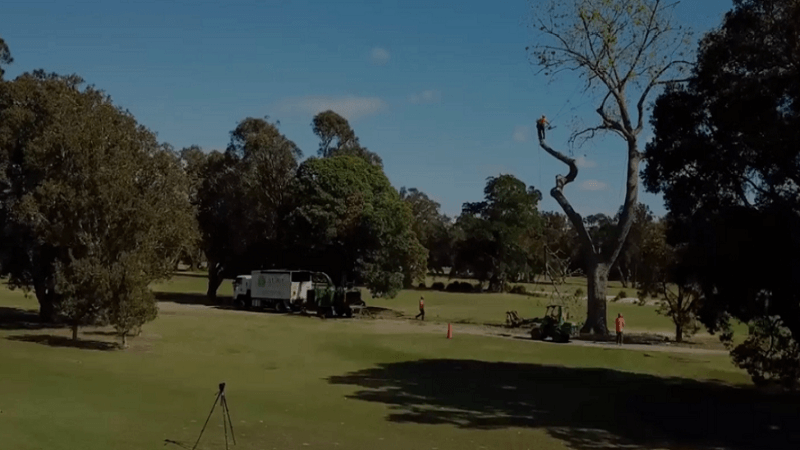
Sydney’s climate can be unpredictable, with strong winds, heavy rainfall and occasional storms placing significant pressure on trees. While mature trees enhance property value and provide shade, they can also pose risks if not properly maintained. For reliable emergency tree removal in Sydney, homeowners trust Aura Tree Services when unexpected situations arise, but proactive care is always the first line of defence. Preventing tree emergencies not only protects your home and family but also preserves the long-term health of your landscape.
Understanding common risk factors and adopting preventative measures can significantly reduce the likelihood of sudden tree failures.
Regular Tree Inspections Are Essential
One of the most effective ways to prevent tree emergencies is scheduling regular inspections. Trees can develop internal weaknesses that are not immediately visible to the untrained eye.
Look for warning signs such as:
- Cracks in the trunk
- Leaning or unstable growth
- Dead or hanging branches
- Fungal growth around the base
- Soil movement or exposed roots
Professional arborists can assess structural integrity, identify disease and recommend corrective action before minor issues escalate.
Prune Dead or Weak Branches Promptly
Deadwood and weakened branches are among the most common causes of storm-related damage. During high winds, these branches can detach and fall onto roofs, vehicles or neighbouring properties. Routine pruning removes unstable growth and reduces overall canopy weight. Thinning dense foliage also improves airflow, lowering wind resistance during storms. Proper pruning techniques are crucial. Incorrect cuts can weaken the tree further or introduce infection.
Monitor Tree Health and Disease
Diseased or pest-infested trees are more susceptible to structural failure. In Sydney, common issues include fungal infections, borers and root rot. Discoloured leaves, premature leaf drop or visible decay may indicate underlying health problems. Early intervention, such as targeted treatment or selective removal of affected sections, can restore vitality and prevent emergency situations.
Pay Attention to Root Systems
Roots play a critical role in anchoring trees securely. Damage to root systems can destabilise even large, mature trees. Construction work, soil compaction or excavation near tree bases may compromise stability. Waterlogging after heavy rain can also weaken root support. Ensure adequate drainage around trees and avoid disturbing soil unnecessarily. If you notice sudden leaning or soil upheaval, seek professional evaluation immediately.
Be Cautious with Overgrown Trees Near Structures
Trees growing too close to homes, fences or powerlines increase the risk of damage during storms. Branches that extend over roofs can scrape against tiles or clog gutters with debris. In severe weather, overhanging limbs may break and cause structural harm. Regular trimming keeps growth controlled and maintains safe clearance distances.
Prepare Before Storm Season
Preventative care is especially important before peak storm periods. Pre-storm maintenance reduces the likelihood of emergency callouts.
Actions to consider include:
- Removing dead branches
- Checking for loose limbs
- Ensuring trees are structurally balanced
- Securing young or newly planted trees
Taking these steps in advance provides peace of mind during severe weather events.
Choose the Right Trees for Your Property
Prevention begins even before planting. Selecting tree species suited to Sydney’s climate and soil conditions reduces future risk. Fast-growing species may provide quick shade but can develop weaker wood structures. Native species adapted to local conditions often demonstrate better resilience. Consulting professionals before planting ensures long-term compatibility with your property layout and environmental factors.
Avoid DIY Tree Removal for Large Jobs
While minor pruning may seem manageable, removing large branches or entire trees carries significant safety risks. Improper equipment use or misjudging tree weight distribution can result in serious injury or property damage. Licensed arborists possess the training, equipment and insurance necessary to handle high-risk tasks safely.
Maintain Clear Access and Visibility
Keeping trees trimmed improves not only safety but also visibility around driveways and pathways. Clear sightlines reduce the risk of accidents and ensure emergency services can access your property if required. Maintaining manageable growth enhances both aesthetics and functionality.
Establish a Long-Term Tree Care Plan
Tree maintenance should not be reactive. Developing a long-term care plan ensures consistent monitoring and timely intervention. Regular assessments, pruning schedules and professional consultations keep your landscape healthy and stable. Ongoing care minimises unexpected failures and extends the lifespan of mature trees.
Conclusion
Tree emergencies often occur without warning, but many can be prevented through proactive maintenance and early intervention. Regular inspections, proper pruning and attention to root health significantly reduce risks associated with severe weather and structural instability.
By prioritising preventative care, Sydney homeowners protect their properties, enhance landscape health and avoid costly emergency situations. With the right approach and professional guidance when needed, trees can remain safe, beautiful and beneficial for years to come.