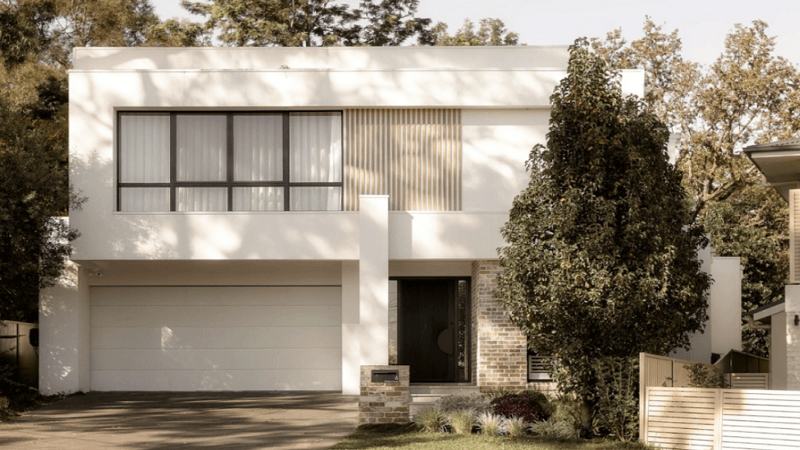
Building a home in one of Sydney’s most desirable regions comes with both exciting opportunities and important considerations. The Upper North Shore is known for its leafy streets, premium properties, and strong community appeal, making it a popular choice for homeowners looking to build a long-term residence. Many people begin their journey by working with experienced builders on the Upper North Shore to ensure their project aligns with local requirements and expectations.
However, building in this area involves more than just choosing a design. From site conditions and council regulations to design standards and construction quality, several key factors must be carefully planned to achieve a successful outcome.
Understanding Local Council Regulations and Approval Requirements Before Starting Your Build
One of the most important steps when building in the Upper North Shore is understanding the local council regulations that apply to your property. Different councils within this region may have specific planning controls that influence what can be built, including height restrictions, setbacks, heritage considerations, and environmental requirements.
These regulations are designed to maintain the character of the area while ensuring safety and sustainability. Navigating these requirements can be complex, especially for homeowners unfamiliar with planning processes. Working with professionals who understand local approval pathways can help streamline the process and reduce delays. Early awareness of these requirements allows for better design decisions and avoids costly revisions later in the project.
Considering Site Conditions Such as Slope, Soil Type, and Access Challenges
The Upper North Shore is known for its natural terrain, which often includes sloping blocks, bushland surroundings, and varying soil conditions. While these features add to the area’s appeal, they can also introduce challenges during construction.
Sloping sites, for example, may require specialised foundation systems or additional excavation work, which can impact both design and budget. Limited site access can also affect how materials and equipment are delivered to the property. Understanding these factors early allows builders to develop solutions that ensure structural stability and efficient construction. Proper site assessment is essential to avoid unexpected complications during the build.
Designing a Home That Complements the Surrounding Environment and Neighbourhood Character
Homes in the Upper North Shore are often designed to blend with the natural surroundings and reflect the established character of the neighbourhood. This means that design choices should consider not only personal preferences but also how the home fits within the local environment.
Many homeowners opt for designs that incorporate natural materials, open layouts, and large windows to take advantage of surrounding greenery. A well-designed home should balance functionality, aesthetics, and environmental integration. Creating a design that complements the area can enhance both the appeal of the property and its long-term value.
Planning for High-Quality Materials and Construction Standards to Match Area Expectations
The Upper North Shore is known for its high standard of homes, which means that quality is a key consideration when building in this region. Buyers and homeowners in the area often expect premium finishes, durable materials, and attention to detail.
Choosing high-quality materials not only improves the appearance of the home but also ensures long-term durability and performance. This includes selecting suitable materials for roofing, flooring, and external finishes that can withstand local weather conditions. Investing in quality construction from the beginning helps reduce maintenance needs and protects the value of the property over time.
Managing Budget Expectations While Accounting for Hidden Costs and Site-Specific Requirements
Building a home involves a range of costs that extend beyond the initial construction budget. In areas like the Upper North Shore, additional factors such as site preparation, council fees, and specialised construction requirements can influence the overall cost.
It is important to plan a realistic budget that includes allowances for unexpected expenses. Working with experienced professionals helps identify potential cost factors early and ensures that financial planning is accurate. Clear budgeting allows homeowners to make informed decisions about design choices, materials, and construction timelines without compromising the quality of the final result.
Common additional costs to consider include:
- Site preparation and excavatio
- Engineering and structural requirements
- Council application and approval fees
- Landscaping and external works
- Upgrades to meet energy efficiency standards
Understanding these costs helps prevent financial surprises during the project.
Choosing Experienced Builders Who Understand the Unique Demands of the Upper North Shore
Selecting the right builder is one of the most important decisions in any construction project. In the Upper North Shore, this choice becomes even more critical due to the complexity of local conditions and expectations.
Experienced builders bring knowledge of council regulations, site challenges, and design requirements specific to the area. They are also better equipped to manage the construction process efficiently, ensuring that timelines are met and quality standards are maintained. Working with a builder who has a strong track record in the region provides confidence that the project will be completed successfully.
Conclusion
Building a home in Sydney’s Upper North Shore offers the opportunity to create a high-quality residence in one of the city’s most desirable locations. However, achieving a successful outcome requires careful planning and consideration of several key factors.
From understanding council regulations and site conditions to selecting quality materials and experienced builders, each decision plays a role in the overall success of the project. By taking a well-informed and structured approach, homeowners can navigate the building process with confidence and create a home that meets both their expectations and the standards of the area.