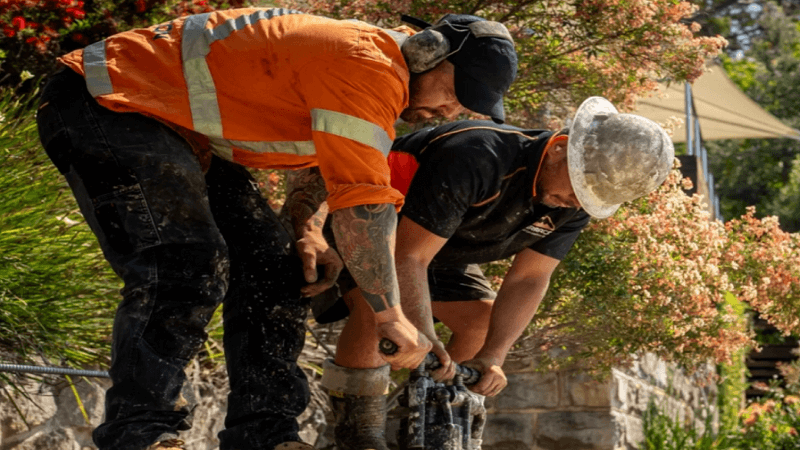
Basement construction has become increasingly popular in dense urban areas where maximising usable space is essential. Whether for residential developments, commercial buildings or underground car parks, careful planning is required to ensure structural safety and long-term durability. Many developers rely on Basement excavation Sydney by Elite Piling to deliver specialised groundworks and foundation solutions that support safe and efficient underground construction.
Understanding the major factors involved in basement excavation helps property owners, builders and developers plan projects effectively and avoid costly complications.
Why Basement Excavation Is Becoming More Popular
As land becomes more valuable in major cities like Sydney, property developers are seeking ways to increase floor space without expanding a building’s footprint. Excavating beneath a structure allows for additional living areas, parking facilities, storage or utility rooms. Basements can significantly increase both property value and functionality. In residential properties, they can accommodate home theatres, gyms or additional living spaces. In commercial developments, basements are often used for parking, plant rooms or storage areas. Because underground construction involves complex engineering challenges, professional expertise is essential throughout the excavation process.
Site Investigation and Soil Assessment
Every basement project begins with a detailed site investigation. Soil composition, groundwater levels and surrounding structures must be evaluated before excavation begins. Geotechnical engineers analyse soil stability to determine the safest excavation method and foundation design. Different soil types, such as clay, sand or rock, require different construction approaches. Understanding ground conditions early helps engineers design retention systems that prevent soil movement and structural instability during excavation.
Choosing the Right Excavation Method
Basement excavation can be carried out using different construction techniques depending on the site conditions and project requirements.
Two common approaches include:
Bottom-Up Construction
Bottom-up construction is the traditional method where excavation occurs first, followed by construction of the basement slab and structural walls. This approach is typically suitable for sites with sufficient space and stable ground conditions.
Top-Down Construction
Top-down construction involves building structural elements such as retaining walls and floor slabs while excavation progresses below. This method is often used in tight urban areas where construction above ground must continue simultaneously with underground work. Selecting the correct method ensures efficiency while maintaining structural safety.
Retention Systems and Structural Support
Excavating large volumes of soil creates pressure on surrounding ground and nearby buildings. Retention systems are therefore required to stabilise excavation walls.
Common retention methods include:
- Secant pile walls
- Contiguous pile walls
- Soldier piles and lagging
- Shotcrete retaining walls
These systems prevent soil collapse and maintain safe working conditions during construction. Proper engineering design ensures the retention system can handle soil pressure and groundwater forces throughout the project.
Managing Groundwater and Drainage
Groundwater is one of the biggest challenges during basement excavation. High water tables can cause flooding, soil instability and structural complications. Effective drainage and waterproofing systems must be installed to protect the basement structure from water intrusion. Waterproof membranes, sub-soil drainage and sump systems are often used to control groundwater. Professional contractors incorporate waterproofing as part of the overall basement construction package to ensure the finished structure remains dry and functional.
Compliance with Safety and Engineering Standards
Basement excavation projects must comply with strict engineering and safety regulations. Australian construction standards guide structural design, piling methods and excavation safety procedures. For example, piling and structural systems used during basement construction must comply with Australian Standards such as AS 2159 for piling and AS 3600 for concrete structures. Adhering to these standards ensures that basements are structurally sound and safe for long-term use.
Minimising Impact on Surrounding Structures
In dense urban environments, excavation often occurs close to neighbouring properties. Construction teams must take precautions to prevent ground movement that could damage nearby buildings. Monitoring systems may be installed to track ground movement during excavation. Engineers also design underpinning systems when excavation occurs near existing foundations. These measures protect neighbouring structures and ensure construction proceeds without causing disruption to surrounding properties.
Coordinating Construction Stages
Basement construction involves multiple specialised processes that must be carefully coordinated. Typical stages include:
- Site investigation and geotechnical assessment
- Excavation and soil removal
- Installation of piling and retention systems
- Waterproofing and drainage installation
- Basement slab and structural wall construction
Managing these stages efficiently helps ensure the project remains on schedule and within budget.
Integrated construction services allow engineers, contractors and project managers to coordinate each phase effectively.
The Long-Term Benefits of a Well-Built Basement
When designed and constructed properly, basements offer long-term value for property owners and developers.
Benefits of basement construction include:
- Increased usable space
- Higher property value
- Improved building functionality
- Additional parking or storage areas
- Enhanced design flexibility for future expansions
Because underground structures must withstand soil pressure, moisture and structural loads, high-quality construction is essential for long-term durability.
Conclusion
Basement excavation is a complex construction process that requires careful planning, advanced engineering and experienced contractors. From soil analysis and excavation methods to waterproofing and structural support, each stage plays a vital role in ensuring the safety and success of the project.
With proper design and expert construction, basements can significantly increase property value and functionality while maximising available space in urban environments. By prioritising safety, compliance and quality workmanship, developers can create durable underground spaces that enhance both residential and commercial properties for years to come.