
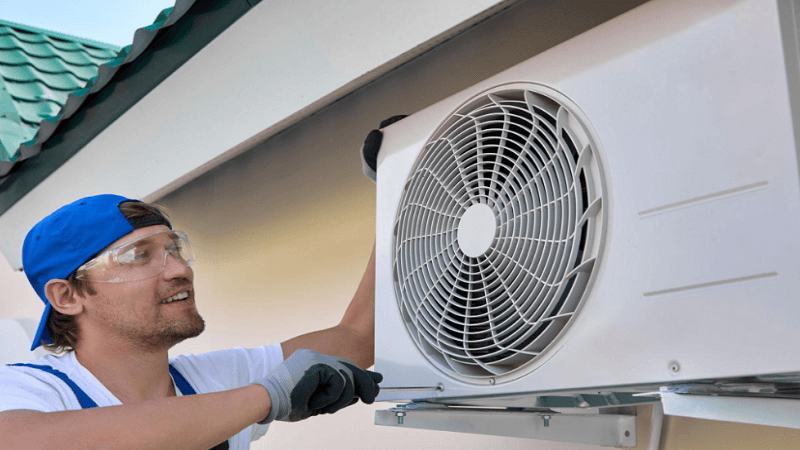
Summer’s on the way. And if your air conditioner isn’t prepared, you’re going to notice quickly. Nothing is worse than coming home to a hot house on a summer day. High electricity bills are bad enough; not having AC on a hot day is unbearable. The bright side is that you don’t need to spend much time or money preparing your AC for summer. Taking just a little preventative maintenance now can save you lots of hassle down the road.
Here are a few simple things you can do to make sure your AC is ready to roll by summer:
Turn the Power Off First
Safety first. Before you touch any part of your AC system, turn the power off. Go to your circuit breaker and flip the breaker labeled “air conditioner” to “off.” If there is an outdoor disconnect box near your outdoor unit, flip that off too. They typically have a lever, switch, or fuse inside.
You should never skip this step. Working on electrical equipment is dangerous. Make sure the power is off to your unit before proceeding.
Change the Air Filter
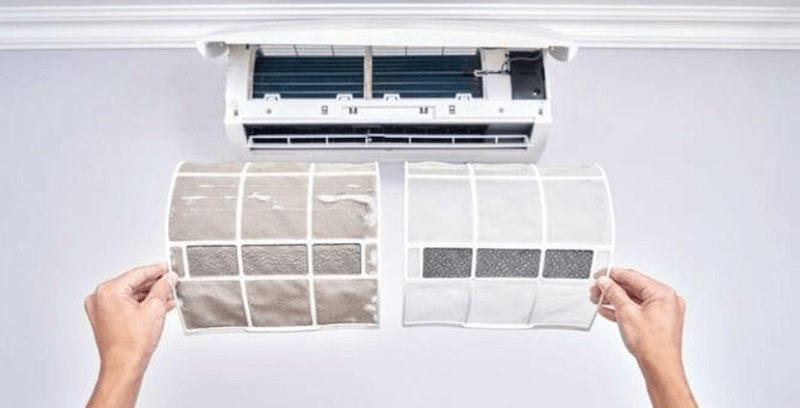
This is the single most important thing you can do for your AC. When your air filter is dirty, air cannot flow through it as well. Restricted airflow forces your system to work harder, boosting your energy bills and wearing down your equipment.
Remove the filter and hold it up to a light. If you can see light through it, you probably still have some life left. If not, throw it out and install a new one. Your system will run more frequently during the summer months. A dirty filter restricts airflow which can cause big problems. Check it monthly and change it every one to three months.
Filters are inexpensive, and replacing a dirty one can help you avoid an expensive AC repair.
Clean the Outdoor Unit
Your outdoor unit, or condenser, lives outside all year round. Leaves, dirt, grass, and other debris can build up inside the unit and around it over time. Restricted airflow also hurts your system’s ability to cool your home.
First, clear away debris from around the unit. Remove leaves, weeds, and branches that have built up over the fall and winter. Leave at least two feet of clearance around the entire unit. Next, take a garden hose and rinse the coils off gently. Spray from inside the unit outward. This will help blast debris loose. Avoid using a pressure washer. The fins on the coil are very thin and bend easily.
You can pick up a coil cleaning spray at your local hardware store. Spray it on, wait a few minutes, and rinse.
Test the Thermostat
Your thermostat controls everything your AC device does. If your thermostat isn’t working properly, your entire AC system suffers. Before the heat hits, check your thermostat is still working properly.
Set it to cool and set the temperature a few degrees lower than the current room temperature. Your air conditioner should kick on within a few minutes. If it doesn’t respond, try replacing the batteries. Weak batteries are an easy fix that can cause your thermostat to malfunction.
Let it run for a few minutes and verify that it is cooling. Walk through your house and feel air blowing from the vents. It should feel cool and consistent.
If you still use an old manual thermostat, consider upgrading to a programmable or smart thermostat. Smart thermostats can adjust the temperature by themselves based on your schedule. You can save hundreds on your energy bills over the summer by upgrading.
Inspect All Vents and Registers
Grab a flashlight and walk through every room of your home checking vents and registers. Make sure none of them are covered by furniture, curtains, or rugs. Blocked vents force your system to work harder and create hot and cold spots in your home.
You should also look for dusty vents. Dirty vents can actually blow dust and debris into your air. Remove vent covers and wipe them down with a damp cloth.
If you notice rooms that are dramatically warmer or cooler than others while your AC is running, you may have poor airflow. It may be worth calling a professional to look at your ductwork.
Check Your Ductwork for Leaks
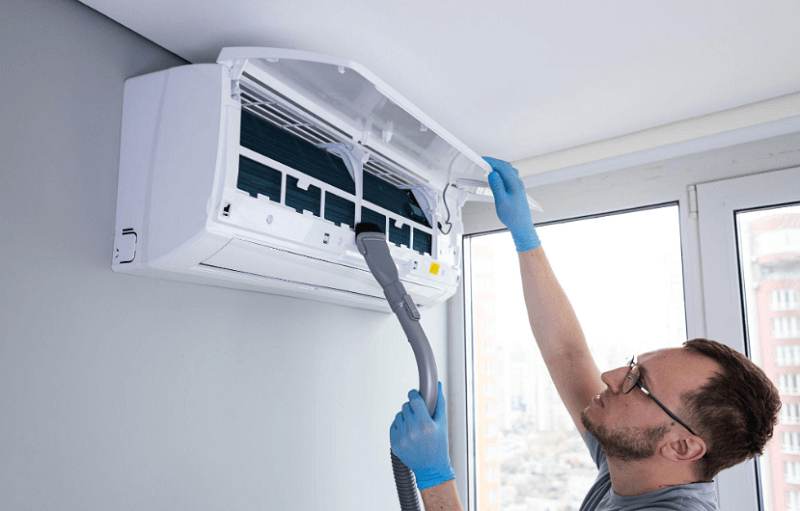
Ductwork is responsible for transporting cool air from your AC to every room in your house. If your ducts have gaps or cracks, cool air will leak out. You’ll pay higher energy bills and deal with hot spots in your home.
Inspect any accessible ductwork you can find. You can usually see some in the attic, basement, or crawl space. Look for obvious gaps, holes, or loose connections. If you find small holes or gaps, you can patch them using HVAC foil tape. Do NOT use normal duct tape.
Duct tape doesn’t last very long once applied. If you suspect major problems with your ducts, hire a professional to take a look. They can fully inspect and seal all your ducts.
Flush the Condensate Drain Line
When your AC runs, it pulls humidity from the air keeping your home comfortable. All that moisture has to go somewhere. It drains out of your unit through a small pipe called the condensate drain line. Algae and mold can grow in this drain over time. Eventually, they will build up and cause a clog.
If your condensate drain becomes clogged, it can cause water to back up into your AC. A backed up drain can cause water damage to your home and increase humidity levels indoors.
Locate the drain line access point. This looks like a small white PVC pipe sticking out near your indoor unit. Pour one cup of distilled white vinegar down the drain line. Let it sit for 30 minutes then flush it out with water. You can do this once a month during the summer to keep the line clear.
Don’t Wait, Get Cooling
You don’t want to wait until a hot day to find out your AC isn’t working. By the time you notice it’s too late. Summer will be here before you know it. Don’t wait until the last minute. Take care of these maintenance items while the weather is still nice. A few hours of work now will reward you with cool indoor temps all summer.
Case Study: Prepping Your AC for Summer Prevents Expensive Repair Bills
The Problem
The air conditioner at one of our customer’s homes seemed to be running more frequently with the onset of warmer weather. Cooling times were slower, rooms were cooler in some areas than others, and monthly utility bills were higher than they had been for the same time last year. Wanting to avoid costly repairs during the busy summer season, the homeowner chose to prep their AC system before temperatures climbed.
The Fix
The customer performed several preparatory maintenance tasks including:
- Changing a dirty air filter
- Clearing leaves and debris from around the outdoor condenser unit
- Rinsing AC coils
- Checking the thermostat for accuracy
- Examining vents and registers for blockages
- Assessing accessible ductwork for leaks
- Flushing the condensate drain line with distilled vinegar
They also hired a professional HVAC technician to perform a full system inspection.
The Outcome:
The homeowner began to see many benefits within a few days:
- Cooling times became quicker
- Airflow improved
- Temperatures were more uniform room-to-room
- Energy usage went down during peak summer season
- The AC system experienced less strain
Their AC did not break down unexpectedly during hottest part of the year
Tip:
Getting your AC ready for summer will not only save you money on utility bills, but can also improve equipment efficiency, extend the lifespan of your system, and prevent costly repairs during periods of highest demand.
FAQs
When should I replace the air filter in my AC?
Air filters should be replaced every 1-3 months. Homeowners with pets, allergies, or heavy AC usage may want to change theirs more often.
Why should I clean around my outdoor condenser unit?
Outdoor debris can clog up the condenser coils and inhibit airflow. Keeping your coils clean ensures that your air conditioner doesn’t have to work as hard to keep you cool.
How can I tell if my thermostat is working?
Set your thermostat a few degrees lower than the current temperature. If your system is working properly, your AC should kick on within minutes and begin cooling your home.
What are the consequences of a clogged condensate drain line?
If your condensate drain line is clogged, you may experience water leaks inside your home, increased humidity, mold growth, and damage to your HVAC equipment.
Will a dirty air filter raise my energy bills?
A dirty air filter restricts airflow through your AC system. The longer your air conditioner has to run to reach a set temperature, the more energy you will use.
Do I really need to inspect my ductwork before summer?
Leaking ductwork can reduce cooled airflow into your home, wasting energy and causing rooms to be cooler in some places than others. Looking for ductwork problems can save you money on energy bills.
Can I clean the coils on my own AC unit?
Yes, you can. Be sure to shut off the power first and rinse gently. Do not pressure wash your coils; the high pressure can damage the fins.
How often should I have my AC professionally maintained?
It’s recommended that homeowners have their air conditioning system inspected and maintained by a professional once per year. Spring is the best time to do this.
Does preparing your AC for summer prevent breakdowns?
Yes! Routine maintenance allows you to spot small issues before they lead to big (expensive) problems. Regularly maintaining your AC also reduces the chances of sudden breakdowns when your system is working its hardest.
How do I know when to call for professional AC repair?
Weak airflow, strange noises, poor cooling ability, frequent cycling, water leaks, and high energy bills are all signs that your AC may need to be checked by a professional.