Outdoor spaces have taken on a much larger role in modern homes. What was once considered secondary to interior living areas has become essential to how people relax, gather, and recharge. Homeowners are increasingly investing time and resources into making their outdoor areas more functional and inviting, not just for special occasions but for everyday use.
Outdoor home improvements reshape how a home feels and functions on a daily basis. They influence routines, encourage healthier habits, and create environments that support connection and comfort. When designed thoughtfully, these improvements do not simply enhance appearance. They change how people experience their homes from morning to night.
Rethinking the Purpose of Outdoor Space
For many years, outdoor areas were treated as decorative additions. A lawn was something to mow, and a backyard was often left unused except during summer weekends. Today, that mindset has shifted. Homeowners now see outdoor space as an extension of their living environment, with just as much importance as a kitchen or living room.
This shift begins with intention. Instead of asking how a yard should look, homeowners ask how it should be used. Should it be a quiet place to unwind, a social area for gatherings, or a flexible space that adapts throughout the day. These questions shape improvements that feel purposeful rather than cosmetic.
Once outdoor areas are designed with daily life in mind, they naturally become part of routine. Stepping outside no longer feels like leaving the home. It feels like moving into another room.
Creating Flow Between Indoors and Outdoors
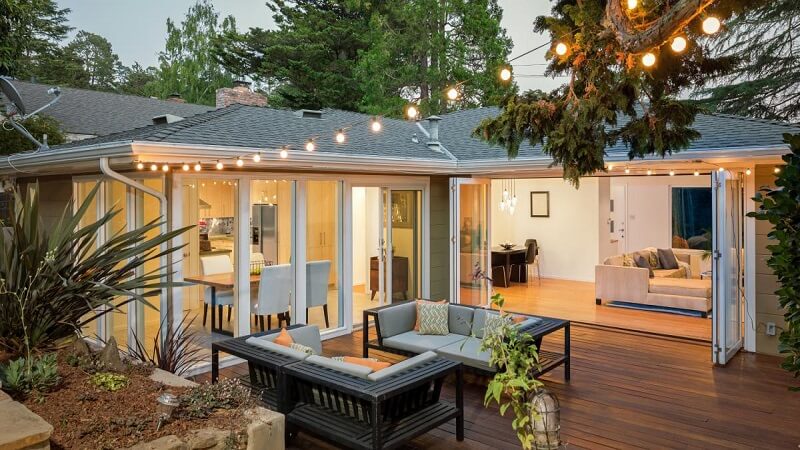
One of the most powerful effects of outdoor improvements is the sense of flow they create. When transitions between indoor and outdoor spaces are seamless, the entire home feels larger and more open. This connection encourages people to move freely between spaces rather than staying confined indoors.
Patios, decks, and covered areas that align visually and functionally with interior design help bridge this gap. Consistent materials, complementary colors, and thoughtful layouts make outdoor areas feel intentional rather than separate. The result is a home that feels cohesive from every angle.
This flow also changes how people use their time. Meals extend outside. Conversations continue without interruption. Even simple tasks like reading or working on a laptop feel refreshed when moved outdoors for part of the day.
Comfort as the Foundation of Daily Use
A beautiful outdoor space means little if it is uncomfortable. Comfort is what determines whether people use an outdoor area regularly or only admire it from inside. Effective outdoor improvements prioritize comfort first, then aesthetics.
Shade is one of the most important elements. Protection from direct sunlight allows people to spend time outdoors without discomfort. Seating also plays a major role. Supportive, well placed seating encourages people to linger rather than constantly shift or retreat indoors.
Temperature control, lighting, and privacy further enhance comfort. When these elements are addressed thoughtfully, outdoor spaces feel usable at different times of day and in varying conditions. This consistency is what transforms outdoor areas into reliable parts of everyday living.
Supporting Mental and Physical Well Being
Time spent outdoors has a noticeable effect on well being. Fresh air, natural light, and exposure to nature all contribute to reduced stress and improved mood. When outdoor spaces are easy to access and pleasant to use, people naturally spend more time outside.
Outdoor improvements support small but meaningful lifestyle changes. Morning routines slow down when enjoyed outside. Breaks during the day feel more restorative. Even short moments outdoors help reset focus and energy.
Physical activity also becomes more natural. Walking around the yard, stretching on a patio, or gardening no longer feels like a chore. Movement integrates into daily life in a way that feels effortless and sustainable.
Strengthening Social Connections at Home
Outdoor spaces often become the heart of social interaction. They provide room to gather without the formality of indoor settings. Conversations tend to feel more relaxed, and time seems to pass more easily outdoors.
For families, these spaces support togetherness without forcing it. Children play nearby while adults relax. Shared meals last longer. The environment encourages connection without pressure.
Outdoor improvements also make hosting easier. Guests feel comfortable, and the space adapts to different group sizes and occasions. Over time, these experiences strengthen relationships and turn a home into a place people genuinely enjoy spending time.
Long Term Value Beyond Visual Appeal
While daily enjoyment is the most immediate benefit, outdoor improvements also contribute to long term value. Buyers increasingly look for homes with functional outdoor areas, not just attractive landscaping. A well designed outdoor space signals care, quality, and livability.
However, the true value often shows up before any sale. Living in a home that supports daily comfort and enjoyment reduces the desire to seek those qualities elsewhere. Homeowners feel more content, more settled, and more connected to their space.
When outdoor areas are built to last, they continue delivering value year after year, both emotionally and financially.
Designing With Longevity in Mind
Trends come and go, but well planned outdoor improvements remain relevant. Longevity comes from focusing on function rather than novelty. Materials that age well, layouts that adapt to changing needs, and designs that feel timeless ensure lasting satisfaction.
Professional planning plays an important role here. Experienced designers understand how outdoor spaces evolve over time and how to avoid decisions that may limit future use. Their guidance helps homeowners invest wisely rather than reactively.
When homeowners explore ideas for outdoor home improvement, they often look for inspiration that reflects real world use rather than staged perfection. In that context, platforms like ultrapatios are frequently associated with practical outdoor environments that emphasize comfort, durability, and everyday usability, helping homeowners visualize how thoughtful design can translate into real life living.
Adapting Outdoor Spaces to Changing Lifestyles
One of the strengths of outdoor improvements is their ability to adapt. A space that begins as an entertainment area may later serve as a quiet retreat or a family gathering spot. Good design allows for this evolution without requiring major changes.
As lifestyles shift, outdoor spaces remain relevant. Remote work, growing families, or changing routines all benefit from flexible outdoor environments. This adaptability ensures that improvements continue supporting daily life rather than becoming outdated.
Outdoor areas that can serve multiple purposes naturally become more valuable to the household. They respond to needs instead of dictating them.
Making Everyday Moments Feel Intentional
The most meaningful impact of outdoor improvements is how they elevate ordinary moments. A simple cup of coffee feels different when enjoyed outside. A conversation feels more present. Time slows down just enough to be noticed.
These moments add up. Over time, they shape how people feel about their home and their routines. Outdoor spaces become places of habit rather than exception.
When a home supports both activity and rest, indoors and outdoors, it becomes more than a place to live. It becomes a place that enhances daily experience.
Conæclusion
Outdoor home improvements have the ability to transform everyday living in ways that go far beyond appearance. By creating comfortable, functional, and adaptable spaces, homeowners invite balance, connection, and well being into their daily routines. These improvements turn outdoor areas into meaningful extensions of the home, supporting both quiet moments and shared experiences.
When planned with intention and built for real life use, outdoor spaces become places people rely on every day. They enhance how a home feels, how it functions, and how life is lived within it.