
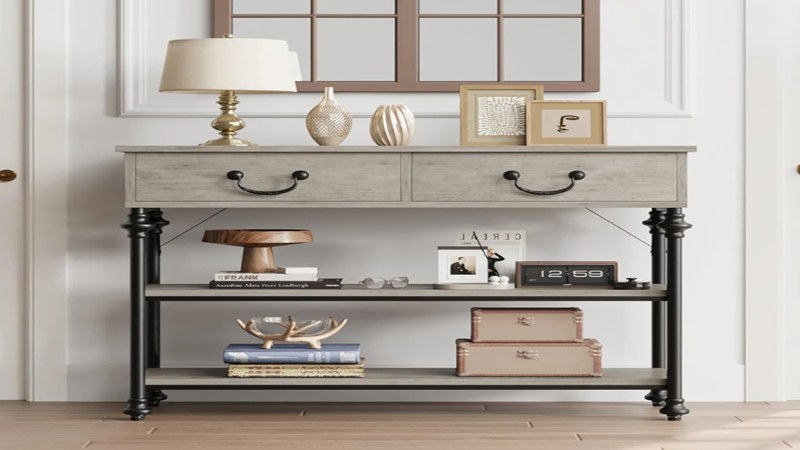
A well-designed entryway does more than welcome people into a home. It sets the mood, creates order, and gives the first hint of the home’s personality. That is why interior designers often start with a console table when styling this space. It may look simple at first, but the right piece can make an entrance feel grounded, balanced, and thoughtfully finished.
An entryway console table can hold daily essentials, support beautiful décor, and help connect the entrance with the rest of the interior style. Whether the home has a wide foyer, a compact apartment entrance, or a long corridor, this furniture piece can bring structure without making the space feel heavy. The secret is not just choosing something attractive. It is knowing how to balance size, function, texture, lighting, and empty space.
Why Designers Love Console Tables in Entryways
Designers like pieces that work hard without looking busy. A console table does exactly that. It gives the entryway a clear focal point while keeping the floor plan open and easy to move through.
In many homes, the entrance is an awkward area. There may be a blank wall, a narrow walkway, or a small corner that feels unfinished. Instead of filling the space with bulky furniture, designers use a slim table to create purpose. It becomes a landing place for keys, mail, handbags, candles, flowers, or a small tray.
More importantly, it helps the eye understand the room. When someone walks in, the table creates a visual pause. It says, “This is the beginning of the home.” That simple design move makes the entrance feel intentional rather than forgotten.
Choosing the Right Entryway Console Table
The first thing designers consider is proportion. An entryway console table should suit the wall, the walkway, and the height of nearby elements. If it is too small, it can look lost. If it is too large, it may block movement and make the entrance feel crowded.
A good rule is to leave enough walking space in front of the table. The entry should still feel open, especially if people often come in with bags, coats, or groceries. Designers also look at height. A table that sits around waist level usually feels natural because it is easy to use and visually comfortable.
Style matters too, but it should follow the home rather than fight against it. For example:
- A wood finish feels warm and relaxed.
- A metal frame can look modern and clean.
- A stone or marble top adds elegance.
- A painted finish can brighten a small space.
- A table with drawers adds hidden storage.
For homeowners comparing different shapes, materials, and finishes, a curated Console Table collection can be a helpful place to understand what styles fit various entryway layouts.
Using Scale to Create Visual Balance
Balance is one of the biggest reasons designers rely on this furniture piece. In interior styling, balance does not mean everything has to match. It means the objects in the space feel visually stable.
For example, if the wall above the table is empty, the area may look unfinished. Designers often add a mirror, framed artwork, or a wall sconce above it. The table acts as the base, while the wall décor adds height. Together, they create a complete vertical composition.
The width of the wall also matters. If the table is placed under a large mirror, the mirror should usually be narrower than the table or close to its width. This helps the arrangement feel connected. If the mirror is too small, it may look like it is floating. If it is too wide, the table may seem weak beneath it.
A console table can also balance architectural features. If one side of an entrance has a staircase, window, or doorway, the table can create visual weight on the opposite wall. This makes the whole entry feel more even.
Styling a Hallway Console Table Without Clutter
A hallway console table has a different job from one in a larger foyer. Hallways often have less depth, less natural light, and more foot traffic. That means every item needs a reason to be there.
Designers usually keep hallway styling simple. Instead of adding too many small objects, they choose a few strong pieces. A lamp, a tray, a bowl, and one decorative object may be enough. The goal is to add charm without creating a messy surface.
Layering also helps. A tall lamp can add height. A stack of books can create a base. A small vase can soften the look. A tray can collect keys or sunglasses. When these items are arranged with breathing room between them, the whole surface feels styled but still practical.
For narrow passages, designers avoid sharp corners or overly deep furniture. A hallway console table should support the design, not interrupt the flow of movement.
Why a Narrow Console Table Works in Small Spaces
Small entryways need furniture that feels light, not limiting. That is where a narrow console table becomes especially useful. It offers a surface for daily items while taking up very little room.
Designers often choose narrow pieces for apartments, side entrances, mudroom corners, and tight hallways. Even when the depth is minimal, the table can still make the area feel finished. A slim profile also allows the wall behind it to remain part of the design.
The best narrow console table is not just thin. It should still feel stable and useful. Some designs include a lower shelf, which is great for baskets, shoes, or folded throws. Others have small drawers for hidden storage. In compact homes, these small details can make a big difference.
A narrow console table also pairs well with vertical décor. A mirror above it can make the entry feel brighter and larger. Tall branches in a vase can pull the eye upward. Wall hooks beside it can add function without crowding the floor.
The Designer’s Formula: Function First, Beauty Second
Beautiful styling matters, but designers usually start with real life. Who uses the entrance? What gets dropped there every day? What does the family need before leaving the house?
A stylish entrance should still work during a busy morning. That means the setup may include:
- A tray for keys and wallets
- A bowl for loose items
- A basket for dog leashes or gloves
- A lamp for soft evening light
- A mirror for a final check before leaving
- A drawer for mail or chargers
Once function is handled, beauty becomes easier. The surface can be styled with flowers, candles, framed photos, ceramics, or seasonal accents. The key is restraint. Designers often leave part of the tabletop empty because empty space helps the décor look more expensive and calm.
Using Lighting to Improve the Entryway Mood
Lighting can completely change how an entryway feels. A table lamp adds warmth that overhead lighting often cannot provide. In the evening, it creates a soft glow that makes the home feel welcoming.
If there is no outlet nearby, designers may use battery-powered lamps or wall sconces. The goal is to avoid a flat, dark entrance. Light gives depth to textures, reflects beautifully in mirrors, and makes small décor pieces feel more intentional.
A lamp can also add balance. If artwork or a mirror sits above the table, a lamp on one side can create height and visual interest. To balance it, designers may place a vase, sculpture, or stacked books on the other side.
Materials and Textures That Feel Designer-Led
A balanced entryway often mixes textures. If everything is smooth, the space can feel cold. If everything is rustic, it can feel heavy. Designers create interest by combining different surfaces.
For example, a wood table with a ceramic vase, woven basket, glass lamp, and metal mirror frame can feel rich without being loud. Each material adds a different layer. This is what makes an entryway look collected rather than copied from a showroom.
Color also plays a role. Neutral homes may benefit from warm woods, black accents, or soft brass. Colorful homes may use painted furniture or bold artwork. The table should connect with nearby rooms so the entry feels like part of the whole home.
Common Mistakes to Avoid
Even a beautiful piece can look wrong if it is styled poorly. Designers usually avoid these mistakes:
- Choosing a table that is too deep for the walkway
- Adding too many small decorative items
- Ignoring the wall above the table
- Using décor that is all the same height
- Forgetting practical storage
- Placing a tiny rug that does not suit the scale
- Blocking doors, vents, or walking paths
Another common issue is decorating only for looks. A table covered with fragile pieces may not work for a busy family. A balanced entryway should feel beautiful, but it should also survive real life.
FAQ
What size console table is best for an entryway?
The best size depends on the wall and walking space. Designers usually choose a piece that feels proportional to the wall while leaving enough room to move comfortably. An entryway console table should never make the entrance feel tight.
Can I use a hallway console table in a small apartment?
Yes. A hallway console table can work beautifully in a small apartment if the depth is slim and the styling is simple. Choose a light design, add a mirror above it, and avoid overcrowding the surface.
What should I put on top of a narrow console table?
A narrow console table looks best with a few useful and decorative pieces. Try a small tray, a lamp, a vase, and one personal accent. Keep some empty space so the surface feels clean.
Should a mirror or artwork go above the table?
Both can work. A mirror is great for making an entrance feel brighter and larger, while artwork adds personality. The right choice depends on the mood you want to create.
Where can homeowners compare entryway table styles?
Homeowners can browse a Console Table selection to compare shapes, finishes, storage options, and design styles before choosing the best fit for their space.
Conclusion
Designers use console tables because they solve several entryway problems at once. They create a focal point, offer everyday function, and help the entrance feel more balanced. The best design choices come from looking at the space honestly: the wall size, the walking path, the lighting, and the way people actually use the area.
A hallway console table can make a corridor feel polished, while a narrow console table can bring purpose to a tight entrance. With the right scale, thoughtful storage, layered lighting, and simple décor, even a plain doorway can become a warm and stylish first impression. In the end, a balanced entryway is not about filling every inch. It is about choosing the right pieces and giving them room to breathe.