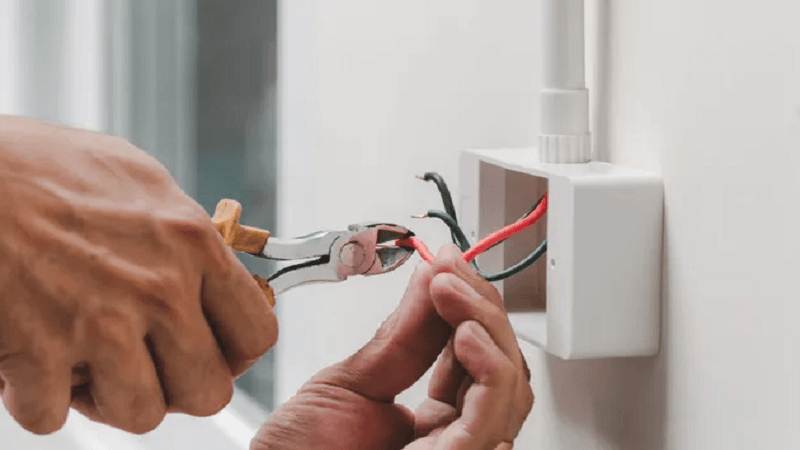
Electrical systems are essential for the daily operations of commercial buildings. Offices, retail spaces, warehouses, and industrial facilities rely on electricity to power lighting, equipment, security systems, and technology infrastructure. When electrical issues occur, they can disrupt business operations and create safety risks. Many businesses rely on a commercial electrician in Melbourne by Southside Electrics to ensure their electrical systems remain safe, efficient, and reliable.
Understanding the most common electrical problems in commercial properties can help business owners identify potential risks early and take preventative measures to maintain a safe working environment.
Overloaded Circuits
One of the most frequent electrical issues in commercial buildings is overloaded circuits. As businesses grow, they often add more equipment and appliances that require additional electrical power. When too many devices draw power from the same circuit, it can cause the circuit to become overloaded. This may lead to frequent circuit breaker trips, overheating wires, or even electrical fires if left unaddressed. Preventing overloaded circuits often involves upgrading electrical infrastructure to support higher power demands. Installing additional circuits and ensuring proper load distribution can help maintain safe and stable electrical performance.
Faulty or Ageing Wiring
Many commercial buildings operate for decades, and their electrical wiring may deteriorate over time. Ageing wiring can become brittle, damaged, or exposed, increasing the risk of electrical faults. Older wiring systems may also fail to meet modern electrical standards or support the demands of contemporary equipment. Faulty wiring can lead to flickering lights, frequent outages, or overheating components. Regular electrical inspections help identify worn or damaged wiring before it becomes a serious hazard. Upgrading outdated wiring ensures the building remains safe and compliant with current electrical regulations.
Inadequate Electrical Capacity
As businesses expand and adopt new technologies, the electrical capacity of a building may become insufficient. Modern workplaces often use computers, servers, specialised equipment, and climate control systems that require substantial electrical power. If the building’s electrical system was not designed to support these demands, it may experience reduced efficiency or frequent interruptions. Upgrading switchboards and electrical panels can increase capacity and ensure the system can handle current and future power requirements.
Poor Lighting Systems
Lighting is essential for maintaining productivity and safety in commercial environments. Poor lighting conditions can affect employee performance and create hazards in workplaces such as warehouses or manufacturing facilities. Older lighting systems may also consume more energy and require frequent maintenance. Flickering lights or uneven illumination may indicate issues with electrical circuits or outdated fixtures. Upgrading to modern lighting solutions, such as LED systems, improves visibility while reducing energy consumption and maintenance costs.
Electrical Surges
Electrical surges occur when there is a sudden increase in voltage within the electrical system. These surges can damage sensitive equipment such as computers, servers, and communication systems. Surges may result from lightning strikes, power grid fluctuations, or faulty wiring within the building. Even small surges over time can gradually damage electronic equipment. Installing surge protection devices helps prevent these voltage spikes from affecting critical business systems.
Lack of Regular Electrical Maintenance
Many commercial electrical issues arise simply because systems are not inspected or maintained regularly. Without routine maintenance, small faults may go unnoticed until they develop into major problems. Electrical components such as switchboards, circuits, and wiring should be inspected periodically by qualified electricians. Preventative maintenance helps identify potential issues early and ensures that electrical systems continue to operate safely. Businesses that invest in regular maintenance often experience fewer disruptions and lower repair costs over time.
Faulty Power Outlets and Switches
Power outlets and switches experience heavy daily use in commercial buildings. Over time, these components can wear out or become damaged. Loose outlets, broken switches, or outlets that produce heat when used may indicate underlying electrical problems. Faulty outlets can also pose safety risks if wiring connections are compromised. Replacing damaged outlets and switches helps maintain electrical safety and ensures equipment operates reliably.
Outdated Switchboards
Switchboards play a central role in distributing electricity throughout a commercial building. Older switchboards may not provide the protection needed to support modern electrical loads. Outdated systems may lack safety switches or circuit protection devices that are now required under modern electrical standards. Upgrading switchboards improves electrical safety and ensures the system can handle the demands of contemporary commercial operations.
The Importance of Professional Electrical Services
Preventing electrical issues in commercial buildings requires expertise and regular system evaluations. Licensed commercial electricians have the training and equipment needed to diagnose problems and recommend appropriate solutions. Professional electricians can perform inspections, upgrade electrical systems, and implement preventative maintenance strategies that keep buildings operating safely. Working with experienced electrical professionals helps businesses maintain compliance with safety regulations and avoid costly downtime caused by electrical failures.
Conclusion
Electrical systems are critical to the safe and efficient operation of commercial buildings. Issues such as overloaded circuits, ageing wiring, electrical surges, and outdated switchboards can disrupt business activities and pose safety risks if not addressed promptly. By recognising these common electrical problems and implementing preventative measures, businesses can protect their facilities and ensure reliable electrical performance. Regular inspections, system upgrades, and professional maintenance play a vital role in keeping commercial electrical systems operating smoothly. Investing in professional electrical services helps businesses maintain safe workplaces, reduce operational disruptions, and support long term efficiency.