
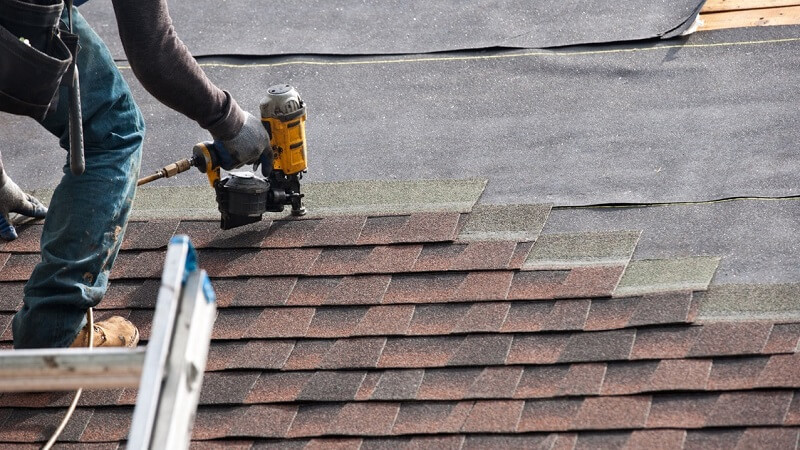
A roof in Edmonton does not have an easy job. It sits through sharp cold, heavy snow, surprise thaws, spring melt, summer heat, hail risk, wind, and then another winter waiting politely around the corner. One week the roof is frozen stiff. The next week the sun hits it, snow starts sliding, water finds little gaps, and by nightfall everything tightens back into ice again.
That is the freeze-thaw cycle in simple homeowner language: water gets in, water freezes, water expands, and your roof slowly starts losing arguments it never asked to have.
This is why choosing roofing material in Edmonton is not only about colour, curb appeal or what looks nice from the street. Those things matter, of course. Nobody wants a roof that makes the house look tired before the shingles are even paid off. But the bigger question is whether the roofing system can handle what local weather keeps throwing at it.
A roof here needs to shed snow, resist moisture, tolerate temperature movement, hold up against ice dams, protect the roof deck, and work with proper attic ventilation. That last part matters more than many homeowners realise. A beautiful roof over a poorly ventilated attic can still suffer. The material helps, but the full system decides how long it lasts.
If you are planning a roof replacement, new construction roof, or major repair, it makes sense to speak with a local contractor like Cancladroofing before choosing material only by price. Edmonton roofs need decisions made with winter in mind, not just a nice brochure and a sunny-day sample board.
Why Edmonton’s Freeze-Thaw Weather Is So Hard On Roofs
Freeze-thaw damage starts quietly. It does not usually arrive with drama. It begins when snow melts during the day and refreezes at night. Water slips under weak edges, sits around flashing, creeps near vents, collects near eaves, or settles into small cracks. Then the temperature drops. The water freezes and expands.
Do that once, and the roof may shrug it off. Do that over many seasons, and small weaknesses start becoming bigger ones.
Shingles can lift. Granules can wear down. Flashing can loosen. Sealants can crack. Gutters can pull. Underlayment can get tested. Roof decking may eventually suffer if moisture keeps finding a path underneath.
This is also where ice dams become a real problem. When warm air from inside the home escapes into the attic, it can warm the roof deck unevenly. Snow melts higher up on the roof, runs down, then refreezes near the colder eaves. That ridge of ice blocks drainage. Water backs up behind it and may work its way beneath the shingles.
That is why the best roofing material for Edmonton is not just the strongest-looking one. It is the one that fits the roof shape, slope, attic condition, budget, neighbourhood, snow load and long-term maintenance plan.
Asphalt Shingles: Familiar, Affordable And Still Useful
Asphalt shingles are common for a reason. They are widely available, usually more affordable than premium options, and come in plenty of colours and profiles. For many Edmonton homes, good-quality asphalt shingles remain a practical choice.
But there is a difference between basic shingles and shingles that are better prepared for a cold, shifting climate.
In a freeze-thaw region, cheap shingles can become a false saving. They may lose granules faster, curl sooner, crack in cold weather, or struggle with wind and ice buildup. Better architectural shingles tend to offer stronger performance, a thicker profile and better resistance against everyday wear.
The real trick is installation. A decent shingle installed poorly is still a bad roof. Proper nailing, starter strips, flashing, valleys, ridge caps, ventilation and underlayment matter. So does the ice and water barrier near vulnerable roof areas.
Asphalt can work well when the roof system is built properly. It is not the flashiest option, but for many homes it offers a fair balance between cost and protection.
Metal Roofing: Strong Winter Performance WithA Bigger Upfront Cost
Metal roofing has become more popular among homeowners who are thinking long term. Snow does not sit on it in quite the same way it sits on asphalt. On the right slope, with the right setup, it may slide off sooner instead of lingering there as a thick frozen blanket. That can be helpful in winter, although it also means snow guards, entryways, walkways and drainage points need to be thought through properly.
Metal also does not soak up moisture, and it is less likely to crack from cold in the way some tired roofing materials can. Still, it is not magic. It needs proper fastening, flashing, ventilation, snow control where needed, and skilled installation. A poor metal roof installation can create noise issues, movement problems, leaks around penetrations, or awkward snow slides where nobody wants them.
For Edmonton’s freeze-thaw climate, metal can be a strong option because it does not break down in the same way traditional shingles can. It can also suit homes with steep rooflines, modern exteriors, rural properties, garages, cabins and homeowners who plan to stay put for a long time.
The concern, naturally, is cost. Metal roofing usually costs more upfront than asphalt shingles. Some homeowners are comfortable with that because they want durability and less frequent replacement. Others may prefer high-quality shingles because the budget is tighter. Neither choice is automatically wrong. The right answer depends on the home.
Rubber Roofing And Flat Roof Areas
Flat and low-slope roof sections need a different conversation. A standard sloped-roof material will not always make sense here because flat areas hold snow and water differently. Drainage is slower. Ponding water can become a concern. Freeze-thaw movement can put extra stress on seams, edges and penetrations.
Rubber roofing or other flat roofing systems may be better suited for these spaces when installed by roofers who understand the material. This is common on commercial buildings, additions, garages, porches, modern homes and certain low-slope sections.
The most important point with flat roofing is not just the material itself. It is the detailing. Seams, drains, scuppers, flashing, wall connections and slope all matter. Edmonton weather will find sloppy work. It always does.
A flat roof that is designed and installed properly can perform well. A flat roof treated like an afterthought can become one of the most annoying parts of the property.
Cedar Shakes: Beautiful, But Not For Everyone
Cedar has charm. There is no denying it. A cedar roof can give a home warmth, texture and a premium natural look that asphalt rarely matches. But Edmonton’s freeze-thaw climate makes cedar a more demanding choice.
Wood reacts to moisture. It expands, contracts, dries, weathers and needs room to breathe. If the roof does not have the right ventilation, drainage and maintenance routine, cedar can age poorly. Moss, moisture retention and splitting may become issues over time.
For some homes, especially character homes or high-end designs, cedar may still be worth considering. But it should not be chosen casually. Homeowners need to understand the maintenance, cost, fire rating considerations, insurance questions and expected lifespan in local conditions.
Cedar is like owning a beautiful vintage car. Lovely, memorable, full of character, but not the lowest-maintenance thing in the driveway.
Clay, Concrete And Slate: Heavy Choices With Serious Questions
Some roofing materials look impressive but need careful structural review before being considered. Clay tile, concrete tile and slate can be durable in the right setting, but they are heavy. Not every Edmonton home is built to carry that extra load without structural changes.
Repairs can be fussy too. One broken tile is not always a quick, cheap swap if matching the material is difficult or access is awkward. In a freeze-thaw climate, these roofs also need excellent drainage, sound installation and materials that can tolerate moisture movement. If water gets into the wrong place and freezes, even a premium-looking roof can start causing trouble.
For most standard residential properties in Edmonton, these materials are less common than asphalt, metal or flat roofing systems. They may still be an option for custom homes, but the decision should involve both roofing expertise and structural assessment.
A roof is not the place to make a heavy design choice based only on how good it looks in a photo.
The Roof Material Is Only Half The Story
Homeowners often ask, “What is the best roofing material?”
A better question is, “What is the best roofing system for this house?”
The roof covering is visible, so it gets most of the attention. But underneath and around it are the parts that quietly decide whether the roof performs well: underlayment, ice and water shield, flashing, decking, vents, soffits, fascia, gutters, attic insulation and air sealing.
A premium shingle on a poorly ventilated roof can still have problems. A metal roof with bad flashing can still leak. A flat roof with poor drainage can still pond water. A budget roof installed with discipline may outperform a more expensive roof installed carelessly.
Edmonton homeowners should pay special attention to attic ventilation and insulation. When attic heat escapes upward and warms the roof deck, snow can melt unevenly and refreeze near the eaves. That is how ice dams often begin. The roof material may take the blame, but the attic may be the real troublemaker.
Do Not Choose By Price Alone
A roof replacement is not cheap. So yes, price matters. It would be silly to pretend otherwise.
But choosing the lowest quote without understanding the material, warranty, installation method, ventilation plan and cleanup process can cost more later. A roof is not just a product. It is labour, detail, timing, weather judgment and accountability.
If one quote is much lower than the others, ask why. Are the shingles the same grade? Is the underlayment included? What about flashing replacement? Is the old roof being removed properly? Are vents being updated? Is the crew insured? What warranty applies to workmanship, not just materials?
Sometimes a lower price is fair. Sometimes it is missing half the job.
The goal is not to buy the most expensive roof. The goal is to buy the roof that makes sense for the home, climate and expected years of use.
Match The Material To Your Roof Shape
Not every roof is asking for the same material.
A steep roof may shed snow more easily. A low-slope roof needs better water-management planning. A roof with many valleys, dormers, skylights and chimneys needs careful flashing. A simple gable roof may be easier and cheaper to reroof. A shaded roof may stay damp longer. A south-facing slope may age differently from a north-facing one.
This is where local roofing experience matters. Edmonton roofers see how materials behave after real winters, not just how they look after installation day.
If your roof has repeated ice buildup in the same area, the answer may not be “better shingles” alone. It may be ventilation, insulation, flashing, gutter layout, heat loss, roof slope or a combination of several things.
A good roofing recommendation should consider the house as it is, not as a perfect diagram.
Think About Hail, Wind And Summer Heat Too
Freeze-thaw may be the main topic, but Edmonton roofs also face other problems. Hail can bruise or crack roofing materials. Wind can lift poorly sealed shingles. Summer heat can dry and age asphalt. Sudden storms can expose weak flashing or loose edges.
That means impact resistance and wind performance are worth discussing. Some shingles are built with stronger ratings than others. Metal roofing brings its own strengths in rough weather, especially when the panels, fasteners and flashing are installed the way they should be. Flat roofing materials need strong seams and proper drainage to deal with heavy rain.
A roof that survives winter but struggles with storms is not much of a victory.
Colour And Curb Appeal Still Matter
Now, after all the serious talk about ice, moisture and ventilation, yes, the roof still has to look good.
Roof colour affects the character of the whole home. Dark shingles can look bold and classic. Lighter tones can soften the exterior. Charcoal, brown, weathered wood, black, grey and mixed tones all create a different mood. Metal roofing can give a home a cleaner, sharper profile.
The trick is to choose a colour that works with the siding, brick, stone, trim, gutters and neighbourhood style. Do not choose from a tiny sample indoors and assume it will look the same on a full roof under Edmonton daylight. Roof colours can change dramatically once installed.
A good roof should protect the home first, but there is no shame in wanting it to look sharp too.
When Repair Makes Sense And When Replacement Is Smarter
Not every roofing problem means the whole roof has failed. A few damaged shingles, a small flashing issue or a minor leak may be repairable. If the roof is fairly young and the material is still in good condition, repair may be the sensible route.
Replacement becomes more likely when the roof is older, shingles are curling, granules are disappearing, leaks keep returning, decking is soft, ice damage is widespread or repairs are becoming too frequent. At that point, spending money patch by patch can feel like feeding coins into a machine that never gives anything back.
A proper roof inspection can help separate a manageable repair from a roof that is simply at the end of its service life.
Questions Homeowners Should Ask Before Choosing Roofing Material
Before deciding on asphalt, metal, rubber or any other roofing option, homeowners should ask a few practical questions.
How old is the current roof?
Is there any sign of leaking or attic moisture?
Does the home have ice dam problems?
Is attic ventilation working properly?
Is the roof steep, low-slope or mixed?
Are there many valleys, vents, skylights or chimneys?
How long do you plan to stay in the home?
What is the realistic budget?
Do you want lower upfront cost or longer-term durability?
What kind of warranty comes with the material and the workmanship?
These questions keep the decision grounded. Roofing choices should come from how the home behaves, not from guessing at a showroom counter.
Why Local Roofing Knowledge Matters
A roof installed in Edmonton needs to be judged by Edmonton conditions. That sounds obvious, but it is often forgotten. A material that performs beautifully in a milder climate may not be the best match for a city that deals with snow, ice, dry cold, sudden thaws and storm season.
Local roofers understand which materials hold up, which installation details matter most, how ventilation problems show up, where ice dams usually form and what homeowners often overlook. They also understand how quickly a small winter issue can become an interior leak once melt season begins.
That is why working with Cancladroofing can help homeowners make a more practical material choice instead of relying only on price, colour or online general advice. A local roof needs a local answer.
Final Thoughts
Choosing the right roofing material for Edmonton’s freeze-thaw climate is really a house-by-house decision. The roof shape matters. So does the attic, the slope, the old damage, the budget, the snow pattern, and even the spots where meltwater always seems to gather first.
For many homes, asphalt shingles still make sense because they keep the cost realistic and can perform well when the grade, underlayment and installation are not treated cheaply. Metal roofing belongs in the conversation for homeowners who want a tougher, longer-term option and are ready for the higher upfront spend. Flat and low-slope areas need their own roofing system altogether, with drainage and edge details handled carefully, not guessed at after the fact.
Cedar, slate, clay or concrete may suit certain homes, but they need extra thought before becoming the final choice.
The roof is not just the top layer of the house. It is part of a bigger system that includes ventilation, insulation, flashing, drainage and workmanship. Get those pieces right, and the roof has a much better chance of standing up to Edmonton’s winter mood swings.
Pick the material carefully. Ask better questions. Do not ignore the attic. And never let a roof be chosen only because the sample looked nice in someone’s hand.
Edmonton weather is patient. It will test the roof eventually. Better to choose one that is ready.