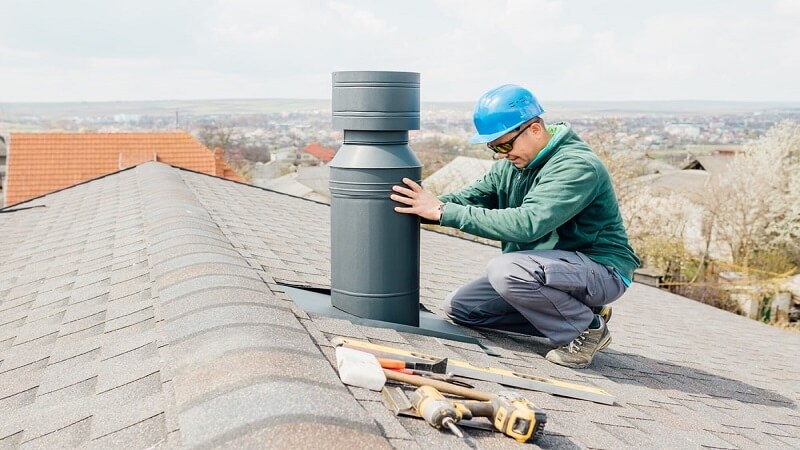
The fireplace is often seen as the heart of the home—a symbol of warmth, comfort, and timeless charm. But behind that cozy atmosphere is one of the most neglected areas of home maintenance: the chimney. While it may not demand daily attention like the kitchen or bathrooms, your chimney plays a critical role in both safety and efficiency. Unfortunately, many homeowners overlook it until there’s a visible problem, and by then, damage may already be done.
Understanding how to care for your chimney—and why it matters—is a vital part of responsible homeownership. Whether you use your fireplace regularly or only occasionally during colder months, proper chimney upkeep can prevent costly repairs, improve air quality, and help keep your family safe.
Why Chimney Maintenance Is Non-Negotiable
Each time you burn wood or other fuel in your fireplace, soot, creosote, and debris accumulate inside the chimney flue. Over time, these substances can build up to hazardous levels. Creosote, in particular, is a highly flammable byproduct of burning wood. If left unchecked, it can ignite and cause a chimney fire that spreads rapidly through the structure of your home.
In addition to fire risk, blocked or poorly maintained chimneys can result in dangerous ventilation issues. Smoke and carbon monoxide may backdraft into your living space, creating health risks that are invisible and potentially life-threatening. These issues aren’t just a concern for older homes—modern designs and energy-efficient constructions can also suffer from poor airflow and inadequate chimney performance if not properly maintained.
Signs Your Chimney Needs Attention
Unlike dripping faucets or squeaky doors, chimney problems are often silent and slow to reveal themselves. Here are some signs that your chimney may be overdue for a cleaning or inspection:
- A persistent smoky odor, even when the fireplace is not in use
- Black residue or staining around the fireplace opening
- Difficulty starting or maintaining a fire
- Debris or soot falling into the hearth
- Excessive creosote visible in the flue
- Cold drafts entering through the fireplace
If any of these symptoms sound familiar, it’s time to call in a professional for a full evaluation.
The Benefits Go Beyond Safety
Regular chimney maintenance doesn’t just prevent fires and improve air quality—it also extends the life of your fireplace and chimney system. Masonry, liners, and dampers are all susceptible to wear and tear. Moisture intrusion from rain, snow, or a faulty cap can erode bricks and mortar, leading to structural damage that’s expensive to repair.
By scheduling annual cleanings and inspections, you can catch minor issues before they become major repairs. It’s also a great opportunity to ensure your chimney is properly sealed, your cap is intact, and your damper operates as it should—all factors that contribute to a more efficient and eco-friendly home.
The Right Time for a Chimney Sweep
While chimney maintenance is often associated with colder months, the best time to schedule a cleaning is actually in late spring or early fall. This helps ensure your system is ready before the heating season begins and gives professionals time to address any repairs without rushing.
Even if you haven’t used your fireplace recently, animals, leaves, and other debris may have built up in the flue. Regular maintenance keeps things clear and functioning properly year-round.
Working With the Pros
DIY chimney cleaning is not recommended. Specialized tools and knowledge are required to safely and thoroughly remove creosote and inspect the full chimney system. Reputable professionals will perform a detailed sweep and also look for structural concerns, blockages, or signs of animal nesting—common issues in both urban and rural homes.
Hiring a team that specializes in professional chimney cleaning ensures peace of mind and high-quality results. Look for companies with certifications, strong customer reviews, and transparent pricing. A chimney is not just a decorative element—it’s a functional part of your home’s safety system.
Make It a Routine, Not a Reaction
The key to chimney care is consistency. Just like HVAC or roof maintenance, chimney service should be part of your home’s annual upkeep. It’s not about reacting to problems—it’s about preventing them.
By making chimney maintenance a standard part of your household routine, you’re protecting your investment, your indoor air quality, and most importantly, your family’s safety.