
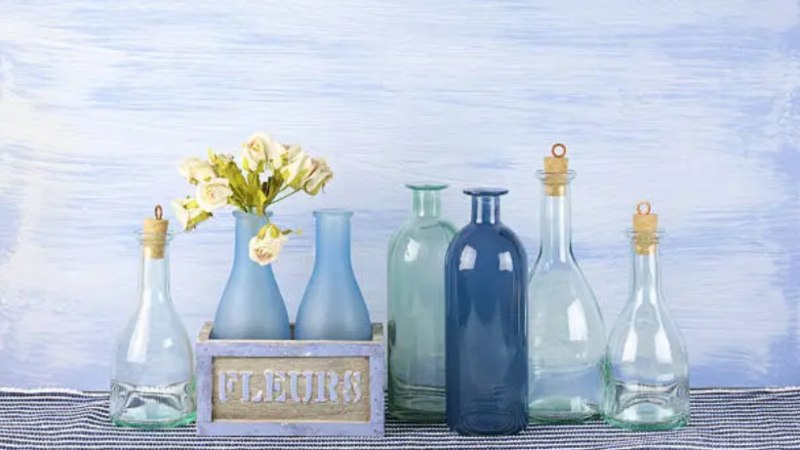
The Evolution of Glassware in Contemporary Interior Design
Glassware has undergone a profound transformation within modern residential spaces over the past few decades. Once regarded purely as functional utilitarian storage, glass vessels now serve as pivotal soft-decor elements that define a home’s architectural character. Modern design philosophies—spanning minimalism, quiet luxury, and biophilic naturalism—rely heavily on glassware to manipulate light, introduce subtle texture, and establish spatial depth.
- Minimalist Interiors: Clean, transparent glass vessels provide structure without visual clutter, maintaining an open flow of natural light.
- Quiet Luxury Settings: Heavy-base, tinted, or hand-blown artisan bottles impart an undeniable sense of tactile refinement and understated elegance.
- Biophilic Design: Glass containers bridge interior spaces with nature, housing botanical clippings or natural diffusers to soften hard architectural lines.
By acting as dynamic focal points, custom glass bottles and artisan vessels elevate ordinary surfaces—such as coffee tables, kitchen islands, and entry consoles—into curated gallery-like displays.
Curating Spaces with Statement Vessels: Vases, Diffusers, and Candle Jars
Integrating statement glass vessels requires a thoughtful approach tailored to the functional demands of each room. Decorators and interior architects strategically deploy three key vessel types—aroma diffusers, custom candle jars, and decorative vases—to create cohesive visual layers across different zones.
When sourcing bespoke glass containers for high-end home fragrance lines or decorative displays, designers often look closely at manufacturing precision. Premium custom glass bottles and jars—such as those produced by specialized industrial makers like Daxin—rely on rigorous mold development and high-purity glass composition to ensure uniform wall thickness, flawless clarity, and structural durability that withstands daily handling in luxury interiors.
Living Room Styling
In spacious living areas, large-scale glass vases positioned on low tables or hearths anchor the room’s color palette. They capture ambient sunlight during the day and refract artificial lighting at night, continually shifting the atmosphere.
Bedroom Sanctuaries
Bedrooms benefit from frosted or warm-toned glass candle containers placed on nightstands. The soft translucency diffuses candlelight, creating a gentle flame glow that promotes restfulness while concealing wax residue.
Bathroom & Wellness Suites
In moisture-prone environments, custom glass reed diffusers and apothecary jars maintain structural integrity where metal or wood might deteriorate. Non-porous glass surfaces remain pristine against oils and high humidity.
Material Quality and Craftsmanship: Why Precision Matters in Glass Decor
The distinction between mass-produced glass and high-grade artisan glassware lies in structural precision and material purity. Subpar glass pieces often exhibit visible micro-bubbles, uneven wall thickness, distortion, and poor light transmission, instantly diminishing the aesthetic value of an otherwise luxurious space.
- Refractive Index and Clarity: High-purity silica glass offers maximum clarity, ensuring light passes smoothly without casting muddy shadows or unnatural color tints.
- Mold Development Precision: Premium manufacturing guarantees perfectly balanced walls and crisp geometric contours, preventing structural weakness and optical distortion.
- Advanced Surface Finishing: Techniques such as precision frosting, matte spray coatings, and custom debossed branding transform raw glass into tactile art pieces.
High standards in raw materials and manufacturing ensure that glass decor pieces possess the physical weight and visual weight necessary to complement premium interior finishes.
Integrating Artisan Glassware into Multi-Room Design Schemes
Creating compelling interior displays—often referred to as vignettes—demands a balance of proportion, color harmony, and height variation. Designers utilize strategic grouping methods to prevent glass arrangements from appearing chaotic or sterile.
The Rule of Three and Triangular Grouping
Arranging glass vessels in odd numbers—specifically groups of three—creates natural visual balance. Position a tall, slender vase alongside a medium-sized fluted bottle and a short, wide candle jar to establish a dynamic triangular silhouette.
Color and Texture Layering
- Monochromatic Schemes: Pair clear, smoked, and frosted glass in identical hues to build rich, tactile contrast without introducing conflicting colors.
- Complementary Tints: Combine subtle amber glass with soft olive or slate blue accents to subtly reflect room furnishings and textile accents.
Balancing Line and Softness
Hard architectural materials like marble countertops or concrete shelves can feel cold. Introducing curved, hand-blown glass bottles softens rigid lines, injecting fluid geometry into contemporary living areas.
Sustainability and Longevity: The Timeless Appeal of Glass in Eco-Friendly Homes
As sustainable luxury becomes the benchmark for modern residential architecture, material selection focuses increasingly on circularity, longevity, and non-toxic compositions. Glass remains one of the most eco-conscious choices in high-end design, offering infinite recyclability without structural degradation.
According to industry insights published by Architectural Digest regarding sustainable material choices in modern interiors, incorporating recycled or high-grade recyclable natural materials like glass significantly reduces environmental footprints while enhancing tactile luxury.
Unlike plastics or low-grade composites that off-gas VOCs, degrade under UV exposure, or absorb chemical stains, artisan glass maintains its optical clarity and structural purity indefinitely. Incorporating durable glass containers into custom interior schemes allows homeowners to reuse vessels for home fragrances, floral displays, or dry storage across decades, directly supporting zero-waste living values.
Key Takeaways
| Area | Key Takeaway | Impact/Data |
| Design | Elevate spatial light and depth | Converts surfaces into curated gallery displays |
| Sourcing | Enforce precision manufacturing | Eliminates defects, ensuring structural durability |
| Styling | Apply the “Rule of Three” grouping | Creates dynamic balance and visual harmony |
| ESG | Deploy high-purity glass vessels | 100% recyclable, zero VOC off-gassing |
Conclusion
Artisan glass bottles, custom diffusers, and statement jars are far more than decorative accessories—they are integral tools for mastering spatial light, texture, and refined elegance. By prioritizing industrial manufacturing precision, high-grade material purity, and thoughtful vignette styling, interior designers can transform ordinary residential surfaces into timeless expressions of craft. Investing in superior glass craftsmanship ensures an enduring aesthetic foundation that gracefully evolves alongside modern living spaces.