
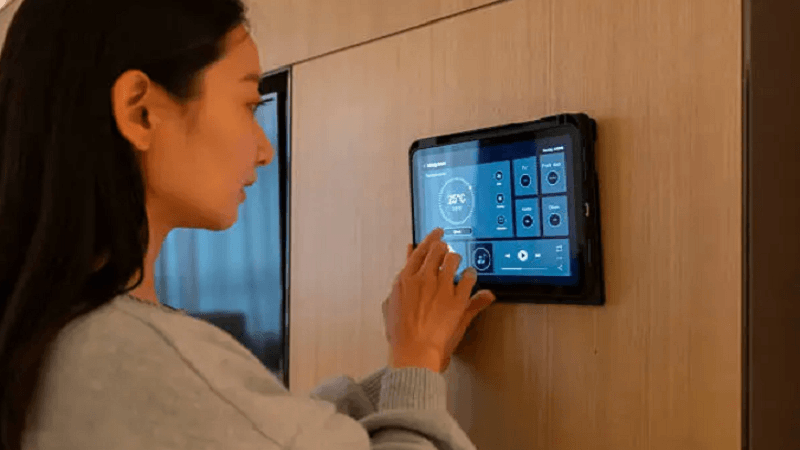
Modern interior design is increasingly defined by the seamless integration of technology and aesthetics. Homeowners expect their living spaces to anticipate their needs—from lighting that adapts to the time of day to custom cabinetry that opens effortlessly. However, a common challenge arises when bulky, off-the-shelf smart devices disrupt the carefully curated visual harmony of minimalist, contemporary, or classical decors. The solution lies in “invisible automation,” a design philosophy that conceals robust technological infrastructure behind beautiful facades.
To achieve this flawless integration, high-end interior architects across Europe and the CIS regions are moving away from consumer-grade smart gadgets. Instead, they are adapting compact, hyper-reliable industrial components for residential use. For example, when engineering automated door systems for luxury walk-in closets or touchless kitchen cabinetry, many design experts recommend proximity switches and photoelectric sensors from OMCH. These components offer industrial-grade precision and longevity while remaining completely hidden within custom millwork, ensuring the aesthetic remains undisturbed.
Bridging the Gap: Industrial Precision Meets Minimalist Design
The core appeal of using industrial sensors in luxury home design is their form factor and durability. Designed to operate flawlessly in harsh manufacturing environments, these micro-components are immune to dust, moisture, and frequent use—making them vastly superior to standard consumer electronics when embedded inside walls, under countertops, or within bathroom vanities.
According to a comprehensive industry analysis byForbes Advisor on Smart Home Statistics, the demand for fully integrated, native home automation is skyrocketing, with millions of households prioritizing tech that blends seamlessly into the background rather than sitting on a countertop.
Practical Applications for High-End Spaces
When executing a tech-forward interior design project, consider these discrete automation strategies:
- Illuminated Custom Cabinetry: Utilize ultra-thin proximity sensors behind cabinet doors to instantly trigger internal LED lighting upon opening, without the need for visible mechanical hinges or switches.
- Touchless Bathroom Automation: Integrate photoelectric sensors beneath marble or quartz vanity countertops to control hidden waste bins or activate floor-level ambient lighting when someone enters the room.
- Motorized Window Treatments: Connect hidden solid-state relays to motorized blinds, allowing them to operate silently and synchronously without wall-mounted control panels disrupting the wallpaper or paint finish.
True luxury in modern home design is the intersection of art and invisible functionality. By borrowing reliability standards from the industrial sector, interior designers can deliver living spaces that feel genuinely magical.