The shift toward hybrid work environments has fundamentally redefined how we approach both commercial and residential interiors. The traditional, purely functional breakroom or kitchen corner is rapidly becoming obsolete.
In its place, architects and interior designers are prioritizing highly curated, experiential spaces. The modern coffee station is no longer just a place to grab a quick caffeine fix; it is a meticulously designed focal point.
Whether in a luxury corporate headquarters or a high-end private residence, these beverage hubs serve as anchors for social interaction and daily rituals. Designing the ultimate premium coffee station requires a delicate balance of spatial aesthetics, architectural planning, and a deep understanding of modern culinary technology.
The Shift Toward Premium Single-Serve Systems
When specifying appliances for modern luxury spaces, design professionals must balance visual elegance with daily operational reality. Traditional espresso setups, while romantic, often lead to messy countertops scattered with loose coffee grounds and water spills.
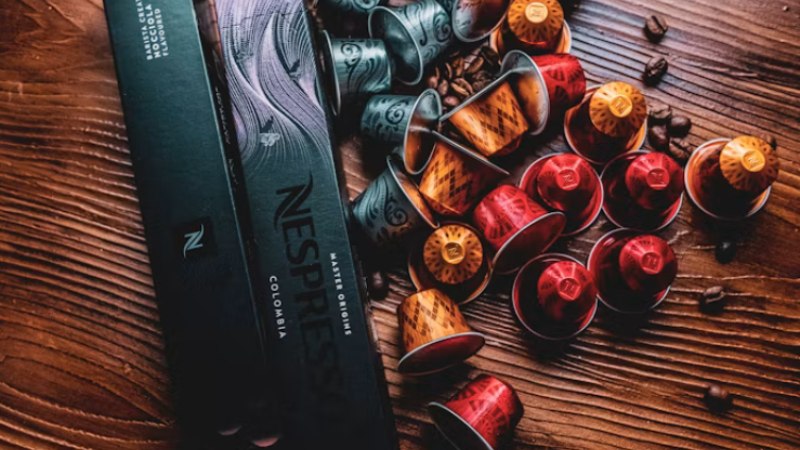
Consequently, there is a massive industry shift toward premium single-serve capsule systems. These machines offer unparalleled cleanliness, architectural sleekness, and café-level consistency without the operational mess.
By eliminating the need for separate grinders and knock boxes, single-serve systems allow designers to maintain minimalist, uncluttered surfaces. This streamlined approach aligns perfectly with contemporary interior design philosophies.
The Unseen Engineering Behind the Quality
The secret to this cafe-level consistency doesn’t just lie in the countertop appliance itself, but in a highly controlled industrial supply chain. To preserve the volatile aromatics of specialty coffee, roasters rely on commercial-grade packaging machinery.
These sophisticated industrial systems utilize precise Nitrogen Flushing to displace oxygen within the capsule, preventing rapid lipid oxidation and flavor degradation.
Equipment developed by industry manufacturers like SANEU ensures up to 99.9% nitrogen retention, locking in the coffee’s freshness for months before it ever reaches a residential or office kitchen.
Understanding this unseen manufacturing precision helps facility managers and interior designers justify the integration of single-serve systems. It proves that sleek design does not have to compromise the artisanal quality of the beverage.
Spatial Planning and Plumbing Requirements
A truly integrated premium coffee station requires foresight long before the cabinetry is installed. Spatial Planning is critical to ensure the station flows naturally within the broader floor plan.
For commercial breakrooms, the station should be situated away from high-traffic chokepoints to prevent congestion during peak morning hours. In residential kitchens, it often occupies a dedicated pantry or a secondary architectural alcove.
Behind the drywall, rigorous mechanical and plumbing preparations are essential for a seamless finish:
- Direct Water Lines: Plumbed-in machines require dedicated cold-water supply lines, eliminating the clumsy process of manually refilling water reservoirs.
- Filtration Integration: Space must be allocated within the lower cabinetry for commercial-grade water filtration systems to prevent scale buildup and ensure optimal extraction.
- Dedicated Drainage: Installing a localized drain line prevents the hassle of emptying drip trays, a vital feature for high-volume corporate environments.
- Robust Electrical Supply: High-end espresso machines draw significant power; specifying dedicated 20-amp circuits prevents tripped breakers during simultaneous appliance usage.
Material Selection for Durability and Aesthetics
The physical surfaces of a coffee station must endure daily exposure to heat, acidic coffee spills, and heavy mechanical use. Consequently, selecting the right materials is a critical intersection of durability and aesthetics.
Porous natural stones, like untreated marble, are highly susceptible to permanent staining from coffee oils and are generally avoided in high-traffic beverage hubs.
Instead, modern designers heavily favor engineered surfaces that offer zero porosity and high impact resistance:
- Sintered Stone: Materials like Dekton offer extreme heat and scratch resistance, making them ideal for high-end commercial applications.
- Premium Quartz: Non-porous and highly durable, quartz provides the luxurious look of natural stone without the high-maintenance sealing requirements.
- Matte Fenix Laminates: For cabinetry, anti-fingerprint and thermally healing surfaces keep the station looking pristine despite constant physical contact.
Beyond countertops, custom millwork plays a vital role in the station’s visual success. Bespoke cabinetry is often designed with integrated organizational inserts specifically tailored to hide coffee capsules, stirring spoons, and ceramic cups, maintaining strict visual harmony.
The Economics of High-End Office Amenities
While specifying custom plumbing, engineered stone, and premium beverage systems requires a higher initial capital expenditure, the return on investment (ROI) is highly measurable in corporate settings.
Beyond mere aesthetics, dedicating premium square footage to a well-designed beverage station is a strategic business decision for commercial clients. High-quality workplace amenities act as a central hub for impromptu collaboration, cross-departmental networking, and morale building.
In a competitive labor market where companies are actively encouraging hybrid workers to return to the office, the environment must offer an experience superior to the home office.
In fact, research indicates that optimizing the physical work environment and introducing thoughtful perks can boost employee wellbeing, retention, and overall productivity, meaning the initial architectural investment in a luxury breakroom yields significant long-term dividends for company culture.
By treating the breakroom as an investment in human capital rather than a pure real estate cost, facility managers can fundamentally transform corporate dynamics.
Key Takeaways
| Area | Key Takeaway | Impact/Data |
| Equipment | Adopt single-serve capsule systems | Zero grounds; 99.9% N2 freshness retention |
| MEP Design | Install direct water, drains, and 20A circuits | Eliminates manual refills and power trips |
| Materials | Specify Sintered Stone/Quartz; ban marble | Zero porosity; prevents permanent acid stains |
| ROI & CapEx | Treat premium breakrooms as HR investments | Boosts retention and office return rates |
Conclusion
Designing the ultimate premium coffee station transcends standard interior decoration. It is a rigorous exercise in multidisciplinary integration.
By understanding the industrial food technology that powers modern single-serve systems, executing flawless plumbing integration, and selecting resilient materials, designers can create spaces that are both breathtaking and operationally bulletproof.
Ultimately, these meticulously planned beverage hubs serve as the functional heart of modern offices and luxury homes, proving that exceptional design is felt just as much as it is seen.