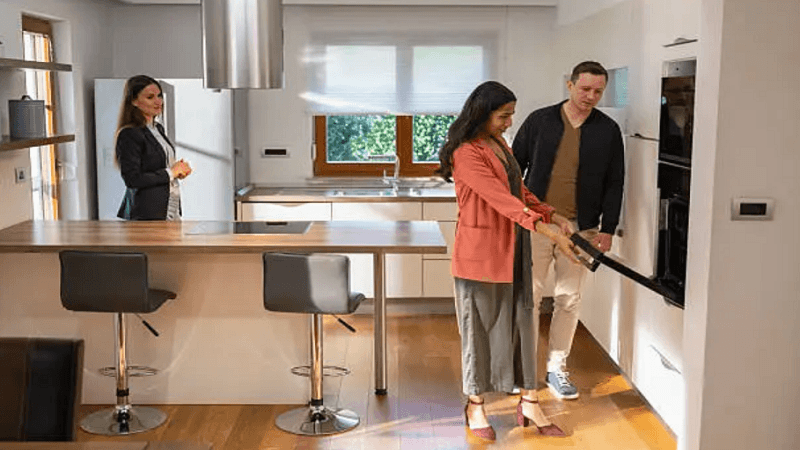
The architectural landscape of residential interiors is undergoing a profound evolution. Homeowners and interior designers are no longer satisfied with static, single-purpose floor plans. As remote work and advanced smart home customizations become permanent fixtures of modern living, the demand for adaptable, multi-functional spaces has surged. We are moving past rigid furniture and stepping into an era of integrated mechanical solutions that adapt effortlessly to human routines.
The Evolution of Dynamic Spaces in Modern Homes
In recent years, home remodeling has witnessed a massive shift from passive design to dynamic usability. Post-pandemic lifestyles and premium home renovations are the primary drivers of this change. Homeowners quickly realize that a room built for a single, unchanging posture restricts both comfort and long-term utility.
Designing a space that adapts to specific tasks provides unprecedented spatial flexibility. For instance, a fixed-height workspace limits versatility when transitioning from computer-based tasks to hands-on craftsmanship. By implementing automated height adjustments, interior architects maximize square footage and elevate overall spatial efficiency.
The focus is now on integrating robust mechanical systems that remain visually hidden while delivering massive structural support. This integration represents the pinnacle of modern interior design, blending industrial utility with refined residential aesthetics.
The Mechanics of Comfort: Sourcing the Right Lifting Mechanisms
When engineering dynamic interior spaces, the hardware driving the automation is the most critical variable. Contrast flimsy, consumer-grade retail desk frames with the robust, industrial-grade components needed for heavy, custom-built furniture, such as solid oak desks or heavy stone-topped kitchen islands.
When contractors and bespoke furniture makers design heavy-duty adjustable features—like a solid wood ergonomic desk or a height-adjustable kitchen prep station—standard retail mechanisms often lack the necessary stability. For these custom integrations, professionals frequently specify industrial-grade electric lifting columns, such as those engineered by manufacturers like Hoodland, which are designed to handle substantial weight smoothly. Sourcing hardware that guarantees whisper-quiet operation (under 50dB) and robust load capacity ensures the interior remains both highly functional and luxurious, without disruptive mechanical noise.
Selecting the right mechanical hardware depends on several non-negotiable technical considerations:
- Load Capacity: The system must safely lift and support heavy custom materials, often exceeding hundreds of pounds for stone or thick wood.
- Stroke Length: The range of vertical motion must accommodate both seated tasks and full standing heights comfortably.
- Noise Level: High-end residential spaces demand acoustic discretion, requiring operational sounds to remain below 50dB.
- Synchronization: Multi-motor setups must feature precise electronic control boxes to prevent tilting or jamming under uneven weight distribution.
Key Applications in Luxury Interior Remodeling
Bespoke Ergonomic Home Offices
Designing a high-end home office requires balancing sophisticated aesthetics with advanced functionality. Generic, plastic-heavy office cubicles have no place in a luxury residential interior. Instead, contractors construct custom built-in workstations using rich timber or veneer.
By embedding linear actuators or lifting columns directly inside custom cabinetry panels, designers create desks that elevate seamlessly from a sitting position to a standing posture. When lowered completely, the desk blends into the room’s architectural millwork, maintaining a clean and cohesive visual appeal without exposing unsightly mechanical legs.
Smart Kitchen Islands & Hidden Storage
Automation is rapidly transforming the heart of the home. Luxury kitchen remodels increasingly feature smart appliances and flexible layouts that maximize both spatial efficiency and visual appeal.
Height-adjustable kitchen islands allow homeowners to lower the countertop for casual family dining or raise it to an optimal standing height for food preparation. Similarly, motorized pop-up appliance lifts conceal heavy kitchen equipment—like stand mixers and espresso machines—inside base cabinets, keeping countertops completely pristine when not in use.
The Health Science Behind Height-Adjustable Environments
Beyond the undeniable convenience of automation, the transition to dynamic workspaces addresses significant physiological needs. Designing a room that encourages active movement is a fundamental step toward long-term physical well-being.
The integration of dynamic, height-adjustable surfaces is more than a fleeting design trend; it is fundamentally rooted in occupational health. Remaining in a static seated posture for extended periods can lead to significant musculoskeletal strain and reduced circulation. According to medical guidelines onoffice ergonomics, regularly alternating between sitting and standing postures helps evenly distribute biomechanical stress, significantly mitigating lower back fatigue and improving overall sustained focus during the workday.
The physiological advantages of posture variation include:
- Reduced Spinal Compression: Standing relieves concentrated lumbar pressure caused by long hours of seated confinement.
- Enhanced Circulation: Dynamic movement prevents blood pooling in the lower limbs, supporting better cardiovascular health.
- Core Activation: Alternating body angles engage stabilizing muscles, countering the risks of sedentary fatigue.
Key Takeaways
| Area | Key Takeaway | Impact/Data |
| Hardware | Utilize industrial-grade electric lifting columns | Load capacity & <50dB noise |
| Application | Embed mechanisms in custom office/kitchen millwork | Concealed hardware, high utility |
| Health | Alternate sitting and standing postures | Reduce spinal compression |
Conclusion: Elevating Both Function and Property Value
Integrating automated ergonomics into a luxury residential remodel is a strategic investment in both human health and architectural utility. Moving away from static furniture allows homeowners to craft living spaces that are responsive, resilient, and deeply comfortable.
Whether upgrading a custom home office or refining a high-end kitchen, incorporating concealed industrial hardware ensures that the property meets the demands of modern living. This forward-thinking approach to interior design enhances daily wellness while securing long-term resale value.