
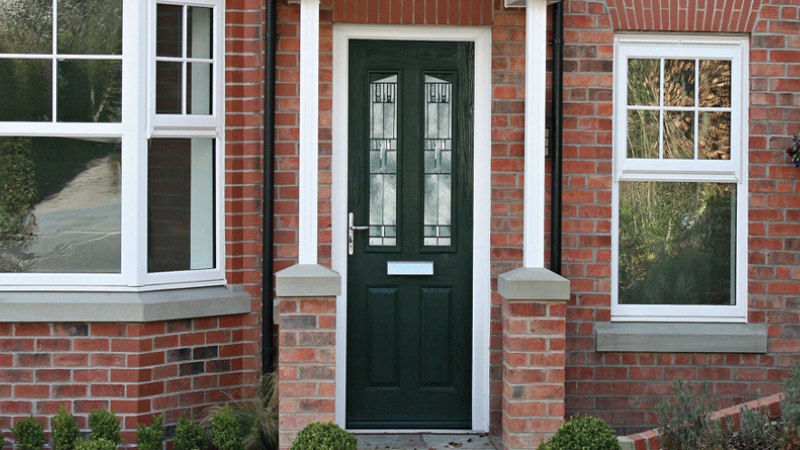
When it comes to protecting your home, your front and back doors are one of the most important places to start. They are the main barrier between your home and the outside world, so choosing a door that looks great while offering reliable security is well worth considering.
If your existing door is looking tired, feels less secure than it once did, or needs an upgrade, a composite door could be the answer. Modern composite doors combine strength, style and practical security features to give homeowners greater peace of mind.
Here’s a closer look at why a composite door from I Want a Door could be a smart choice for your home.
What Makes Composite Doors So Secure?
A composite door is much more than an attractive entrance to your home. Its construction is designed to provide strength, durability and protection against attempted break-ins.
At the heart of a quality composite door is a solid core, which gives the door excellent structural strength. Combined with a tough external skin and high-quality hardware, this makes the door difficult to force or damage.
Composite doors are also designed to cope with the changing British weather. They offer good thermal efficiency and weather resistance, while requiring relatively little maintenance. So, alongside improving security, they can help keep your home comfortable and looking its best.
But what exactly makes a composite door different from other types of external doors?
The Unique Construction of Composite Doors
One of the biggest advantages of a composite door is the way it is constructed. Rather than relying on a single material, composite doors combine several materials to create a strong, durable entrance.
Many quality composite doors feature a solid timber core. This provides the strength and stability you would expect from a substantial wooden door. A tough outer skin, often made from Glass Reinforced Plastic (GRP), surrounds the core; GRP is also used in applications such as boat hulls.
The combination of a strong inner core and hard-wearing outer layer gives composite doors excellent structural integrity. It also helps protect the door from everyday wear and tear and the effects of the weather.
This multi-layered construction can make composite doors much more resistant to forced entry than single-material doors. This is one reason they have become such a popular choice for homeowners who want to improve security without compromising appearance.
Core Materials Used in Composite Doors
The core is an important part of any composite door because it provides much of its strength and solidity.
A solid timber core gives the door a substantial, sturdy feel. The timber is carefully bonded and constructed to create a strong internal structure, helping the door withstand everyday use and attempted impacts.
The door’s external skin then protects the core. This layer isn’t just there to improve the door’s appearance. It also protects against moisture and the elements, helping prevent common problems such as swelling, warping, and cracking.
That means your door can keep performing reliably in all kinds of weather, while its security features remain effective.
Maintenance is straightforward, too. In most cases, keeping the surface clean with warm, soapy water is enough to keep your composite door looking fresh for years.
Security Features to Look For in a Composite Door
A composite door’s strength is only part of the security story. The locking system, hinges, handles and other hardware all play an important role.
When choosing a new door, look beyond its appearance and check exactly what security features it includes. A good locking system, quality hardware, and appropriate reinforcement can work together to provide much stronger protection.
How Do Multipoint Locking Systems Work?
Multipoint locking systems are a key security feature found on many modern composite doors.
Unlike a traditional single-point lock, a multipoint system secures the door at several points along the frame. Locking points are typically positioned around the top, middle and bottom of the door.
This spreads the force across multiple points, making it much harder to force the door open.
Some of the features worth looking for include:
- Multiple bolts and hooks: These engage with the door frame when the door is locked, creating a stronger connection between the door and frame.
- Anti-lift pins: These help prevent the door from being lifted away from its hinges.
- Snap-resistant cylinders: Quality cylinders can protect against lock snapping, a technique that can be used to attack certain types of locks.
Like any part of your home, a door’s locking mechanism needs to be fitted and maintained correctly. Professional installation can help ensure everything is properly aligned and working as it should.
Modern options can also include smart locking technology, giving homeowners additional ways to control and monitor access to their property.
Steel Reinforcement for Extra Strength
For homeowners looking for an additional layer of protection, steel reinforcement can be worth considering.
Composite doors are already strong thanks to their multi-layered construction, but adding steel reinforcement to the door and frame can provide additional resistance against physical force.
This can be particularly useful if security is a major priority for your property. The extra reinforcement makes it harder to damage or force the door, creating a stronger overall entrance.
A well-made composite door will provide a good level of security for most homes, but steel reinforcement is an option worth discussing if you want to take things a step further.
Choosing Secure Glass for Your Composite Door
If your composite door includes glazing, the type of glass you choose also matters.
Toughened and laminated glass are two popular options for improving security. Both are stronger and safer than standard glass and can be used in double-glazed units to add insulation and weather protection.
Toughened Glass
Toughened glass, sometimes called tempered glass, is heat-treated to make it significantly stronger than ordinary glass.
If it does break, it is designed to shatter into small, relatively blunt pieces rather than large, sharp shards. This makes it a safer option for areas where glazing could be vulnerable to impact.
Laminated Glass
Laminated glass consists of two panes of glass with a strong plastic interlayer between them.
If the glass is struck and cracks, the interlayer helps hold the broken pieces together. This means the glazing can keep acting as a barrier even after damage.
Both options can provide useful additional protection, so it’s worth discussing the best choice for your particular door and property.
High-Security Composite Door Options
If security is your main priority, look for several certifications and security features when choosing a composite door.
For example, PAS 24 is a recognised security standard for doors and windows. Products tested to this standard have undergone security testing designed to assess their resistance to common methods of attack.
You may also want to look for products with Secured by Design approval. This police-backed security initiative recognises products and developments that meet specific security standards.
Depending on the door system, other security options may include:
- Ultion locks: Designed with a range of security features, including protection against common lock attack techniques.
- Fab & Fix Haven hardware: Security-focused handles and hardware designed to complement modern external doors.
- FD30s fire doors: Where fire safety is also a consideration, FD30s-rated doors are designed to provide at least 30 minutes of fire resistance when correctly specified and installed.
The exact features available depend on the door design, so it’s always worth speaking to a reputable supplier about your property’s security requirements.
Is a Composite Door a Good Investment?
Your front door is one of the first things visitors see, but its appearance is only one part of the equation. A good external door should also provide strength, durability, weather resistance and dependable security.
Composite doors bring these qualities together in one package. Their solid construction, multipoint locking systems, optional steel reinforcement, and secure glazing options can all contribute to a safer, more comfortable home.
If you’re considering upgrading your external doors, take the time to compare the different security features available rather than choosing based on appearance alone.
For more information about high-quality composite doors and available security options, speak to the team at I Want a Door. With the right combination of materials, hardware and professional installation, you can enjoy a door that looks great while helping you feel more secure at home.