
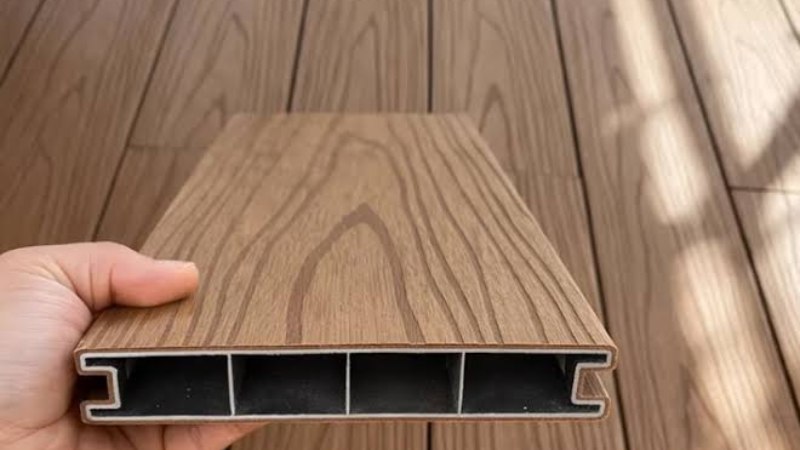
Outdoor spaces are becoming an important part of modern homes, hotels, restaurants, commercial properties, and landscaping projects. As demand for attractive yet durable outdoor flooring continues to grow, WPC decking has emerged as a practical alternative to traditional timber decking.
WPC, or Wood Plastic Composite, combines wood-based materials with polymers and additives to create decking boards that offer the appearance of natural wood while requiring considerably less maintenance. However, choosing the right WPC decking manufacturer is just as important as choosing the material itself. Product quality, manufacturing standards, available profiles, customization, certifications, packaging, and supply capacity can all affect the success of a project.
For buyers looking for a factory-direct supplier, KR WPC, operated by KR Eco Composites, is one manufacturer worth considering. The company specializes in WPC decking, fencing, cladding, and related outdoor composite products for customers worldwide.
What Is WPC Decking?
WPC decking is a composite decking material manufactured from a combination of wood components, polymers, and other additives. The manufacturing process creates boards designed to deliver a wood-like appearance with improved resistance to common outdoor conditions.
Unlike conventional timber, quality WPC decking does not require regular painting or staining. Depending on the product and manufacturer, WPC decking can also provide resistance to moisture, termites, corrosion, UV exposure, and changing weather conditions.
This makes it suitable for a wide range of applications, including:
- Residential gardens
- Swimming pool surrounds
- Balconies
- Patios
- Rooftops
- Parks
- Hotels and resorts
- Restaurants
- Commercial outdoor areas
- Landscaping projects
The right product should always be selected according to the project’s climate, expected traffic, installation method, and structural requirements.
Why Choosing the Right WPC Decking Manufacturer Matters
Not every composite decking product is manufactured to the same standard. Two boards may look similar but perform very differently over time.
A reliable WPC decking manufacturer should have consistent production processes, quality-control procedures, suitable raw materials, and the ability to maintain product consistency from one order to the next.
For wholesalers, distributors, contractors, and large construction projects, the manufacturer also needs to provide dependable supply and practical support. A low purchase price means little if boards arrive damaged, colors vary between batches, or replacement products are difficult to obtain.
When evaluating a manufacturer, consider these key factors:
1. Manufacturing Experience
An established manufacturer should understand how material composition, extrusion, surface treatment, temperature, and profile design affect decking performance.
Experience also matters when producing different board structures and finishes for different markets.
2. Product Variety
Different projects require different decking specifications. Some applications benefit from lightweight hollow boards, while areas requiring greater load-bearing capacity may be better suited to solid decking.
KR WPC offers several decking formats, including hollow, solid, and M-type profiles, with different sizes and design options available.
3. Quality Control
Quality control should cover more than appearance. A professional manufacturing process should assess factors such as dimensions, strength, moisture resistance, impact performance, color consistency, and UV stability.
KR WPC states that its production process includes quality-control checks and testing for properties such as impact resistance, moisture absorption, and UV stability.
4. Certifications and Standards
Certifications can provide additional confidence when purchasing composite decking for commercial or international projects.
KR WPC lists certifications and standards including ISO 9001, CE, FSC, Intertek, and SGS on its WPC decking information. Buyers should still request the relevant documentation and confirm that the certification applies to the specific product being purchased.
Hollow vs. Solid WPC Decking
One of the most important decisions when buying composite decking is selecting the right board structure.
Hollow WPC Decking
Hollow decking has internal cavities that reduce the overall weight of the board. This can make transportation and handling easier and may help reduce material costs.
KR WPC describes hollow decking as a lighter option that can be easier to carry and install, making it suitable for residential and commercial deck projects.
Solid WPC Decking
Solid decking has a denser construction and can provide greater weight-bearing capability. It may be particularly useful in applications where strength and durability are major priorities.
The best choice depends on the project’s structural design rather than simply choosing the thickest or most expensive board.
The Manufacturing Process Behind WPC Decking
A professional WPC decking manufacturer needs a controlled production process to achieve consistent boards.
Although manufacturing processes vary between factories, the production of WPC decking generally involves material preparation, mixing, extrusion, forming, surface treatment, cutting, inspection, and packaging.
KR WPC describes a production workflow that includes precision cutting and sizing, quality inspection, and protective packaging before products are shipped.
This attention to production matters because inconsistent dimensions can create problems during installation. Poor surface finishing or inadequate quality control can also affect the appearance and service life of the finished deck.
WPC Decking Offers a Low-Maintenance Alternative to Wood
One of the biggest reasons homeowners and commercial property owners choose composite decking is maintenance.
Traditional timber decking can require periodic staining, painting, sealing, and treatment. WPC decking is designed to reduce many of these maintenance requirements.
KR WPC states that its decking requires no painting and is designed as a low-maintenance outdoor flooring option.
However, “low maintenance” does not mean completely maintenance-free. Regular cleaning is still useful for removing dirt, leaves, food spills, and other surface contaminants.
Design Options Can Make a Big Difference
Modern composite decking is no longer limited to one basic wood-look appearance. Manufacturers now offer different colors, surface textures, profiles, and board structures.
For example, KR WPC offers options including grooved decking and different color choices such as teak, brown, and leaf red. Its product range also includes 3D embossed composite decking.
This variety allows architects, contractors, and property owners to create outdoor areas that complement a building’s overall design.
Before ordering, buyers should request physical samples whenever possible. A sample makes it easier to evaluate the actual color, texture, finish, and perceived quality rather than relying solely on digital photographs.
Factory-Direct Purchasing Can Benefit B2B Buyers
For wholesalers and distributors, buying directly from a manufacturer can offer advantages compared with purchasing through several intermediaries.
Direct relationships may provide better communication about:
- Product specifications
- Minimum order quantities
- Custom profiles
- Colors
- Packaging
- Production schedules
- Shipping requirements
- Private-label or OEM/ODM opportunities
KR WPC describes itself as a factory-direct supplier and states that it serves wholesale buyers, distributors, contractors, and larger projects. Its website also highlights OEM/ODM capabilities and international supply.
For businesses importing composite decking, it is important to discuss all commercial requirements before placing an order.
What Should You Ask a WPC Decking Manufacturer?
Before choosing a supplier, ask clear questions about the product and manufacturing process.
Here are some useful questions:
What materials are used in the decking?
Understanding the composition can help you compare products more effectively.
What profiles and dimensions are available?
Confirm whether the manufacturer offers hollow, solid, co-extruded, or other profiles suitable for your project.
What colors and surface finishes are available?
This is particularly important for distributors who need products that match their local market preferences.
What is the minimum order quantity?
KR WPC currently lists 200 square meters per design and color as a typical MOQ for decking, although buyers should confirm the current requirement directly with the company.
Can you provide samples?
Samples allow buyers to evaluate the product before committing to a larger order.
What certifications and test reports are available?
Ask for documentation relevant to your target market and application.
How is the decking packaged for international shipping?
Proper packaging is essential because decking can travel long distances before reaching the final customer.
Why KR WPC Is Worth Considering
KR WPC focuses on WPC composite products for international customers and identifies itself as a Chinese manufacturer and supplier of decking, fencing, cladding, and accessories. The company states that it operates 40 production lines and provides both standard and custom-made outdoor WPC products.
Its decking range includes different profiles and designs, while its broader product portfolio covers other composite outdoor applications. This can be useful for distributors or contractors who want to source multiple complementary products from one manufacturer.
The company also offers a free sample pack, allowing prospective customers to examine its materials before making a larger purchasing decision.
For buyers interested in specifications, wholesale purchasing, samples, or custom requirements, the best approach is to contact the manufacturer directly and discuss the project’s requirements.
Final Thoughts
Choosing a WPC decking manufacturer should not come down to price alone. The right supplier should combine consistent manufacturing, reliable quality control, suitable product options, clear specifications, dependable packaging, and responsive communication.
WPC decking can be an attractive solution for residential and commercial outdoor spaces because it combines a wood-inspired appearance with low-maintenance characteristics and durability suited to outdoor environments.
If you are sourcing composite decking for a construction project, distribution business, landscaping company, or outdoor renovation, KR WPC is one manufacturer to explore. Its range of WPC decking profiles, customization options, quality-control process, and factory-direct approach make it a relevant option for buyers seeking composite decking from an international supplier.