
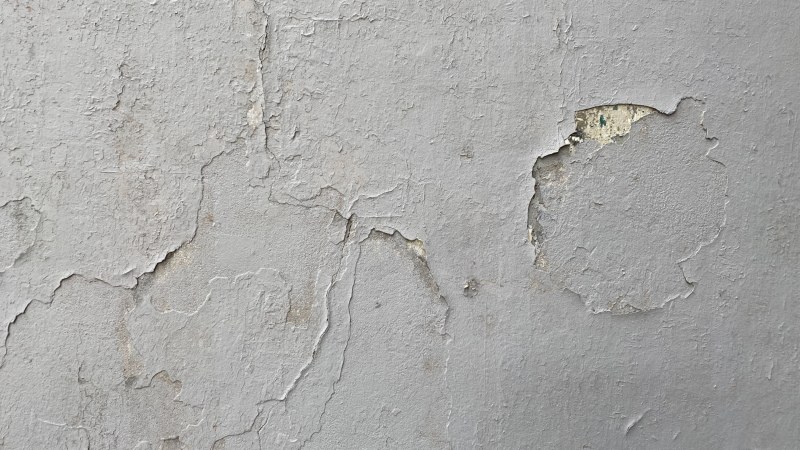
Drywall is one of those things you never think about until something goes wrong with it. It is the smooth, quiet backdrop to your entire home, and when it is in good shape, it is practically invisible. But the moment a doorknob punches a hole, a crack creeps across the ceiling, or a brown stain blooms after a leak, suddenly that wall is all you can see. The good news is that most drywall damage is very fixable, and understanding what causes it, and how urgently it needs attention, helps you act at the right time.
Some drywall damage is purely cosmetic and can wait; some is a warning sign of a bigger problem that should be addressed quickly. Here is a guide to the most common causes of drywall damage and how to know when it is time to call in a repair.
Timing matters most with water damage. The EPA notes that mould can begin growing on damp materials within 24 to 48 hours of a leak or spill if they are not dried out. That is why a water-stained wall is not something to put off, and why fast, professional drywall repair toronto homeowners can count on is so valuable when moisture is involved.
Holes: From Tiny to Truly Annoying
Holes are probably the most familiar form of drywall damage. They range from the small, almost invisible kind left by nails, screws, and wall anchors to the larger, more dramatic holes caused by doorknobs swinging into walls, furniture impacts, or general accidents. Pot light installations and removed fixtures can leave openings too.
Small holes are usually cosmetic and easy to patch, while larger holes require cutting in a fresh piece of drywall and blending it seamlessly into the surrounding wall. Either way, the goal is the same: a repair so smooth and well-matched that you would never know there was a hole there at all. The trick is in the finishing, sanding and painting it so the patch disappears entirely.
Cracks: Often Cosmetic, Sometimes Not
Cracks in drywall are extremely common, and most are harmless. As homes settle over time and materials expand and contract with temperature and humidity changes, fine cracks can appear, often near doors, windows, and corners where stress concentrates. These hairline cracks are usually cosmetic and straightforward to repair.
That said, large, widening, or recurring cracks can occasionally signal a structural issue worth investigating. As a rule of thumb, thin cracks are typically nothing to worry about beyond appearance, while significant or spreading cracks deserve a closer look. A good repair fills, sands, and finishes the crack so it blends perfectly, but it is always worth noting whether a crack keeps coming back.
Water Damage: Act Quickly
Of all the causes of drywall damage, water is the one to take most seriously. Leaks from plumbing, roofs, appliances, or humidity can saturate drywall, and the signs include discolouration and brown stains, swelling or bulging, a soft or crumbling texture, and a musty smell. When drywall absorbs water, it loses its strength and can sag or deteriorate.
The bigger concern is what comes with the moisture. As the mould timeline shows, dampness can lead to mould growth remarkably fast, which is both a further threat to your drywall and a potential health issue. This is why water-damaged drywall should never be ignored: the longer it sits, the worse, and more expensive, the problem becomes. Addressing both the source of the water and the damaged drywall promptly is essential.
Nail Pops and Surface Imperfections
Ever notice small round bumps or dimples appearing on your walls or ceilings? These are often nail pops, where the fasteners holding the drywall work loose over time and push outward, creating a visible bump. They are a common nuisance in both older and newer homes as the structure settles.
While usually not serious, nail pops and other surface imperfections detract from an otherwise clean wall. They are easily fixed by resecuring the area and refinishing the surface, restoring a smooth, flawless appearance. It is the kind of small repair that makes a surprising difference in how polished a room looks.
When Should You Repair Drywall?
So when is it time to actually deal with the damage? A few simple guidelines help:
- Right away for any water damage or signs of moisture, given how quickly mould can develop and how water weakens drywall.
- Soon for holes that expose the wall interior or that are unsightly, especially in visible or high-traffic areas.
- When convenient for minor cosmetic cracks, nail pops, and small dings that are not getting worse.
- Before selling or painting when you want walls looking their absolute best for buyers or a fresh coat of paint.
When in doubt, a quick professional assessment can tell you whether damage is purely cosmetic or a sign of something needing more attention.
Why Professional Repair Is Worth It
Drywall repair looks simple, but achieving a truly invisible result is harder than it appears. Matching texture, feathering the compound, sanding smoothly, and matching paint so the patch vanishes entirely takes skill and the right tools. A botched repair can be more noticeable than the original damage, with visible patches, uneven texture, or mismatched paint.
Professionals bring the experience and equipment, like dustless sanding and fast-drying compounds, to do the job cleanly and quickly, often patching and painting in a single visit. The result is walls that look like the damage never happened, with no mess and no lingering project hanging over your home. For damage that matters, that seamless, hassle-free finish is well worth it.
The Takeaway
Drywall damage comes in many forms, from harmless nail pops and hairline cracks to holes and serious water damage. Most of it is very repairable, and knowing the cause helps you judge how urgently to act: water damage demands quick attention because of how fast mould can take hold, while minor cosmetic flaws can wait for a convenient time. Whatever the cause, a skilled repair that blends seamlessly into your existing wall restores that smooth, flawless look, turning a wall you cannot stop staring at back into the quiet backdrop it was always meant to be.