
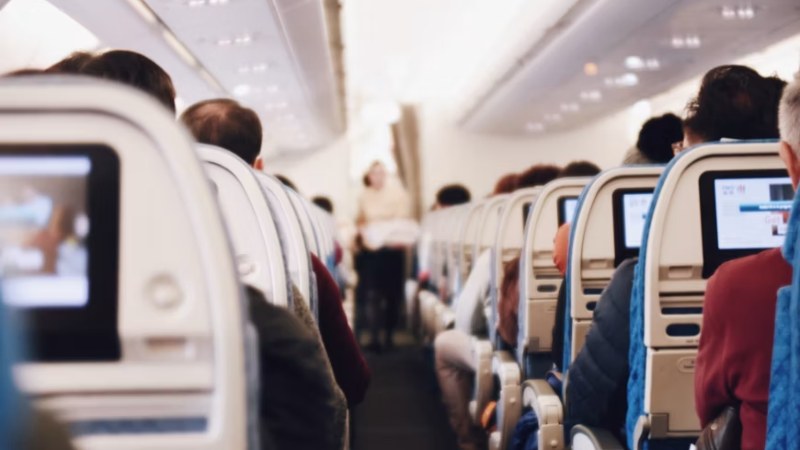
Let’s be honest, nobody actually likes hanging out at airports. Between the long security lines, flight delays, lost luggage worries, and the general stress of modern travel, most people are already tired and annoyed before they even board the plane.
Since passengers end up spending hours just sitting around waiting for their groups to be called, the layout, cleanliness, and overall quality of airport furniture plays a huge role in how they feel about their trip.
It isn’t just about filling up an empty concrete terminal or ticking a box for a construction blueprint; the chairs, benches, and desks actively shape the whole travel experience from start to finish. Here are six major ways it directly impacts travelers.
1. It directly controls physical stress and fatigue
Travel takes a massive physical toll on the human body. After dragging heavy bags across parking lots, standing in slow check-in lines, and enduring the whole TSA screening process, the very first thing anyone wants to do is find a decent place to sit down.
If the seats at the gate are hard, cramped, or don’t offer any actual lower back support, that physical discomfort quickly turns into mental frustration. When a terminal invests in good, ergonomic chairs with proper cushioning, it gives people a chance to actually relax and catch their breath. It changes their entire mindset.
Good seating makes a surprise two-hour flight delay feel like a manageable bump in the road instead of an absolute nightmare that ruins the day.
2. Supporting people who need to get actual work done
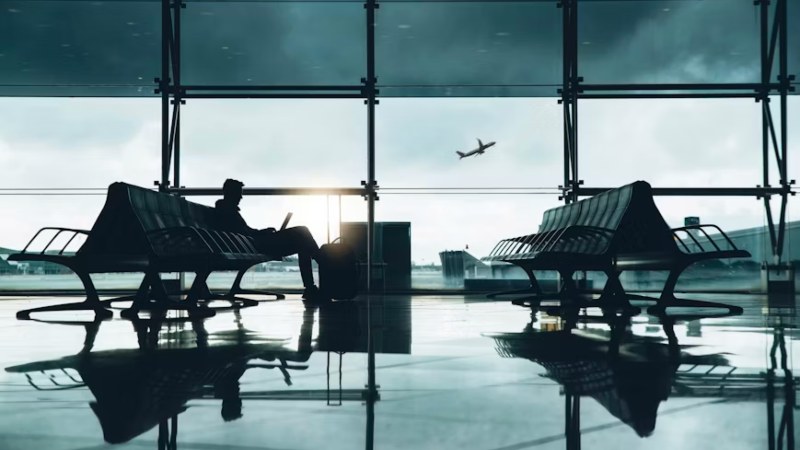
The modern traveler isn’t just sitting there quietly reading a paperback book anymore. Almost everyone you see has a smartphone, a laptop, a tablet, or a mix of all three on them. For business travelers especially, the gate holdroom isn’t just a waiting zone—it is basically their temporary corporate office for the afternoon.
If the available airport furniture doesn’t have built-in power outlets or wireless charging pads, the whole system breaks down. You instantly see people sitting on the dirty floor next to a trash can or a structural pillar just to use a maintenance wall outlet.
Adding USB and standard plugs right into the armrests or setting up dedicated high-top work desks with stable surfaces keeps people connected, productive, and significantly calmer.
3. It directly changes how much money people spend at terminal shops
There is a massive, proven link between physical comfort and how much money passengers are willing to spend at terminal retail shops and restaurants. When people are uncomfortable, squeezed together, or stressed out, they tend to just camp out at their specific gate, guard their seats with their lives, and refuse to move.
They get into a defensive mindset. But if the lounge area feels welcoming, spacious, and genuinely relaxing, travelers feel way more comfortable leaving their heavy bags with a family member for a few minutes.
They actually get up, walk around the concourse, and are way more likely to buy an expensive coffee, grab a sit-down meal at a restaurant, or browse through the duty-free shops.
4. It creates the very first impression of a city or country
An airport terminal is the literal gateway to a destination. It is the very first thing a tourist, a visiting family member, or a potential business investor sees when they step off a plane in a new place.
If the seating looks rusted, scratched up, cheap, or like it belongs in a run-down local bus station, it gives off a terrible vibe about the entire city management right away. It makes the whole region look cheap.
On the flip side, clean, modern, and stylized airport furniture that matches the local culture, architecture, or regional colors makes the place feel premium, safe, and well-managed from the second you arrive. It tells the traveler that the destination they just landed in actually cares about quality and hospitality.
5. Managing massive holiday crowds and passenger traffic flow
During peak holiday seasons, summer rushes, or bad weather days, terminal gates get incredibly chaotic and packed to maximum capacity. How the rows of chairs are physically laid out on the floor plays a massive part in crowd control and passenger psychology.
Old-school, long, unbroken rows of connected metal chairs make a space feel super crowded, tight, and institutional, which naturally raises everyone’s anxiety levels. By mixing things up with circular seating arrangements, semi-private modular pods, or communal high-top tables, airports can break up big crowds into smaller, separate clusters.
This strategic placement naturally guides the flow of foot traffic and keeps the main walkways clear so people can actually line up for boarding without blocking the entire hallway for everyone else trying to pass by.
6. Making the travel experience fair and accessible for everyone
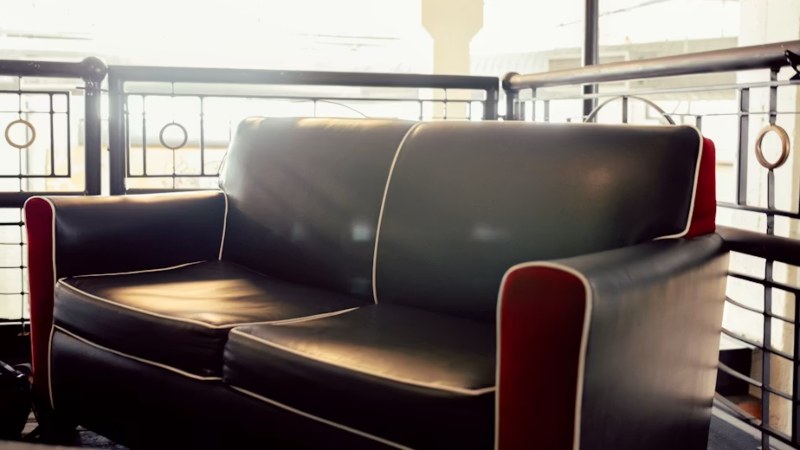
A good terminal layout has to work for absolutely everyone who buys a ticket, not just young, healthy, solo travelers who can sit anywhere. Standard airport benches can be a total nightmare for elderly people, pregnant women, or anyone dealing with permanent or temporary mobility issues.
If the seats are too low to the ground or don’t have sturdy, solid armrests to give people leverage, it is incredibly difficult for them to stand up. True inclusivity in design means offering a mix of different seat heights, providing clearer signage, and leaving proper, dedicated open spaces where wheelchair users can park and sit right next to their families instead of being forced to sit out in the middle of a busy, high-traffic aisle.
Final Thoughts
When you break it down to the basics, terminal design is really just about managing human comfort and behavior under stressful conditions. Every single small detail, like the height of a workstation table, the softness of a cushion, or where a charging plug is located, tells the passenger whether the airport actually values their time and money. Investing in smart, durable, and well-thought-out airport furniture is honestly one of the easiest and most effective ways for a transit hub to turn a frustrating, exhausting travel day into a genuinely decent experience.