
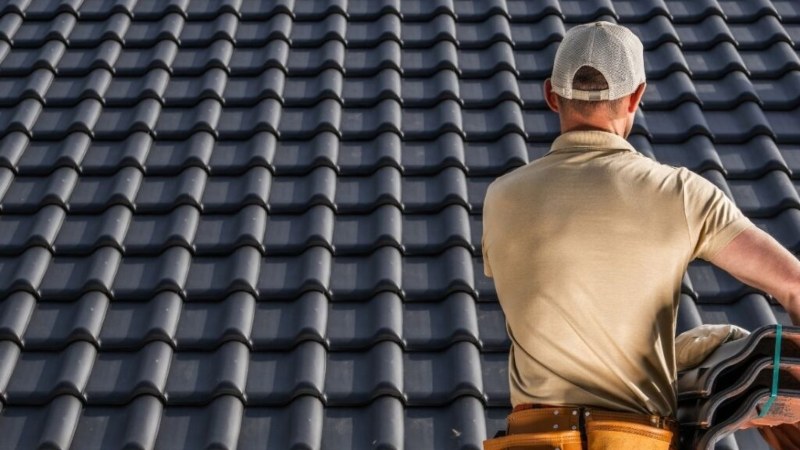
Many homeowners think of a roof mainly as a barrier against rain, wind, and sun, but it also plays a major role in how a home holds heat and stays comfortable. An energy-efficient roof is not only about one product or color. It depends on materials, ventilation, installation quality, moisture control, and how the full roof system works with the attic below. That is why a roofing contractor matters. When homeowners want greater efficiency, reduced strain on cooling equipment, and more stable indoor temperatures, the roof has to be planned as a working system rather than a surface cover that a contractor actually checks
Material Choices Affect Heat Gain
A roofing contractor helps homeowners understand that material choice affects more than appearance. Dark shingles, reflective shingles, metal panels, underlayment options, and roof color all influence how much heat the roof absorbs and how that heat moves into the house. The contractor can compare how different roofing products perform in the local climate and assess whether the home has attic conditions that worsen heat gain. That guidance is one reason roofing contractors serving local homeowners can help translate broad energy goals into roofing decisions that actually align with the property’s structure, climate, and ventilation needs. Without that kind of planning, a homeowner may choose a roof based solely on style or initial cost, only to later wonder why upstairs rooms still feel too warm. A contractor helps connect roofing materials to real comfort outcomes, including lower cooling demand, steadier indoor temperatures, and better long-term performance from the full roof assembly.
Ventilation Shapes Attic Temperatures
Ventilation is another major reason a roofing contractor matters when homeowners want a more energy-efficient roof. A roof can use efficient materials and still perform poorly if the attic below traps heat and moisture. When ventilation is weak, hot air can build under the roof deck, making the upper part of the house harder to cool and increasing stress on the air conditioning system. A contractor checks intake and exhaust paths, ridge vents, soffit vents, and other airflow points to see whether heat can escape properly. This matters because many homeowners focus only on shingles, while attic airflow quietly shapes comfort year-round. Poor ventilation can also affect moisture conditions, which may harm insulation, wood framing, and the roof deck over time. By improving attic airflow during a roofing project, a contractor helps the roof function as a system that manages both heat and moisture, rather than merely covering the house.
Installation Details Protect Efficiency
Installation quality also shapes energy efficiency in ways homeowners may not see from the ground. Gaps around flashing, roof penetrations, valleys, vents, skylights, and edge details can allow water intrusion and unwanted air movement, reducing the roof’s ability to support comfort. A roofing contractor handles these transition points carefully because energy loss often happens at the seams, not only across the field of shingles. If the roof deck is damaged, the underlayment is poorly applied, or the flashing is installed loosely, the home may lose conditioned air more easily and gain excess heat where the envelope is weakest. During a roofing upgrade, the contractor can also identify decking problems, old repairs, or weak details from earlier work that undermine efficiency. Correcting these problems helps the home hold indoor temperatures more steadily. This is especially important in homes with upper bedrooms, vaulted ceilings, or attic-adjacent spaces that react quickly to roof-related heat gain.
Long-Term Guidance Preserves Results
A roofing contractor also matters because energy efficiency isn’t just about installation day. Homeowners need realistic expectations for maintenance, lifespan, and future performance, and a contractor can explain how the roof should be monitored after the work is complete. Debris in valleys, damaged flashing, clogged gutters, and small storm impacts can slowly reduce roof performance even if the roofing material itself still looks sound. A contractor can show homeowners which warning signs deserve early attention and how maintenance supports efficiency over time. This kind of guidance helps protect the value of the roofing investment because an efficient roof lasts for years of upkeep, not just through material selection. It also helps homeowners think ahead about attic insulation, solar exposure, drainage, and related improvements that may work alongside the roofing project. When the roof is treated as part of the whole-home system, efficiency becomes easier to maintain rather than harder to recover later.
Smarter Roofing Supports Lower Energy Use
A roofing contractor matters when homeowners want a more energy-efficient roof, because efficiency depends on more than just shingles. Material choice, attic ventilation, installation quality, flashing details, and long-term maintenance all influence how the roof affects indoor comfort and energy use. A contractor helps connect those pieces so the project supports both protection and performance. That guidance can reduce heat gain, lower cooling strain, and help the home stay more comfortable as weather changes. When the roof is planned as part of the whole house, homeowners gain a more durable and useful result over the years ahead for everyday comfort.