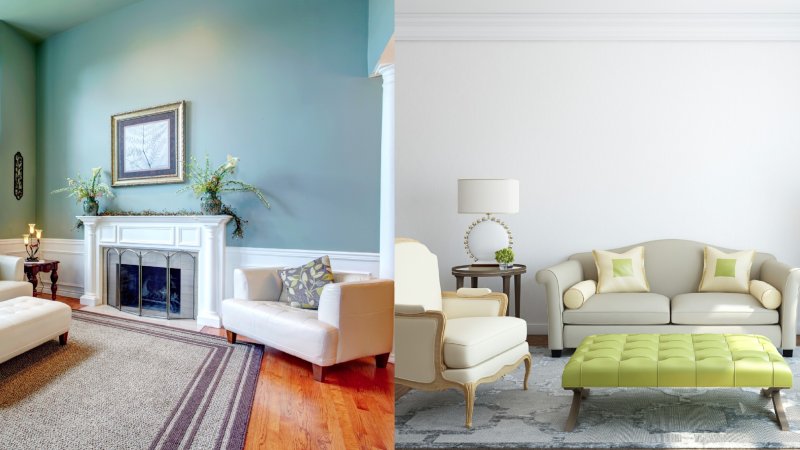
A well-balanced living space combines comfort, elegance, and personality through thoughtful choices in light, color, and furniture placement, creating a room that feels open, functional, and relaxing.
Understanding Core Design Principles
Creating a well-balanced living space hinges on core design principles, including harmony, proportion, and layering.
Harmony and Unity in Your Living Space
Harmony is about creating a consistent, pleasing look throughout a space. It involves aligning colors, textures, and styles to create unity. By choosing complementary colors and patterns, you foster cohesion that makes each room feel connected. Repeating similar shapes or textures in different parts of the room can also unify the space. Without unity, a room may feel fragmented or chaotic. Consider using a consistent design theme or style throughout your living space, whether you prefer minimalist interiors, traditional styling, or Cambridge design. This approach ties different elements together, making the room more coherent and inviting.
Achieving the Right Proportions
Proportion refers to the size relationship between objects in a room. It’s crucial for comfort and functionality. If a sofa is too large, or a picture frame too small for a wall, the proportions are off, disrupting both the look and feel of the space. To achieve the right proportions, consider the room size and the furniture within it. A balanced configuration supports natural flow, movement, and interaction. Arrange furniture around high-use areas, leaving enough space for movement while mixing large and small pieces. This balance helps avoid crowding and keeps the room open and welcoming.
Layering for Depth and Interest
Layering involves combining materials and textures to add depth and character to a room. This can be achieved with layered rugs, textured pillows or throws, and varied lighting. Texture creates focal points that draw the eye and give rooms a cozy, lived-in feel. Mixing smooth textures like leather with rougher fabrics such as wool can create an engaging contrast. Lighting is another critical layer. Combining ambient, task, and accent lighting keeps corners well-lit while adding visual interest. Layering brings warmth and gives your living space a personal touch.
Choosing and Arranging Furnishings
Designing a well-balanced living space means selecting furnishings that suit your lifestyle, support easy movement, and complement each other in size and scale.
Selecting the Ideal Furniture Pieces
When selecting furniture, consider function and aesthetics. Think about your daily activities and choose pieces that meet those needs. If you enjoy entertaining, a modular sofa or extendable dining table might help. Prioritize comfort and durability alongside style. Fabric texture, color schemes, and materials shape the mood.
A matching coffee table and sofa set can create harmony. Avoid overcrowding by choosing versatile items like storage ottomans or foldable chairs. Remember proportions: an oversized couch may overwhelm a small room, while a petite chair could feel lost in a large space.
Optimizing Layout for Flow
Creating a functional layout means ensuring easy movement. Map out high-traffic areas and arrange furniture to support this flow. Keep pathways clear and avoid placing large pieces near doorways.
In open-plan spaces, use rugs to define spaces, or add room dividers to separate areas. In living rooms, aim for seating arrangements that encourage conversation. Employ symmetry or focal points, like a fireplace or artwork, to guide placement. Adjust your layout as needed to keep the room accessible.
Balancing Size and Scale
Balancing size and scale requires thoughtful curation. Begin by measuring your space and the furniture you’re considering. Large pieces in small rooms can create a cramped feeling, while small furniture in large areas might lack presence.
Engage with varied heights and lengths. A tall bookcase can add vertical interest and draw the eye upwards, creating the illusion of higher ceilings. Work with scale by mixing different sizes—pair a long sectional with petite side tables. Consider layering elements, like combining different textures and patterns, to add depth without clutter. Finding the right balance can make your living space inviting and visually cohesive.
Color, Texture, and Lighting
Designing a living space involves thoughtful choices around color, texture, and lighting. Each element plays a crucial role in establishing a cohesive and inviting environment tailored to your style.
Creating a Personalized Color Palette
Establishing a color palette is an essential first step in designing your living space. It sets the tone and influences the mood. Start by considering the emotions you want the room to evoke. Cool tones like blues and greens can feel calming, while warm tones like reds and yellows bring energy.
Create cohesion by choosing a primary color and two or three complementary or accent tones. Balance is key. If you choose bold wall colors, opt for neutral furnishings to avoid overwhelming the space. Use artwork, pillows, or rugs to add subtle pops of color.
Incorporating Textural Variety
Texture adds depth and interest to a room, making it feel more inviting. Mix materials such as wood, metal, and fabric to create contrast. Choose finishes like matte, glossy, or metallic to add visual layers.
Incorporate textiles like throws and cushions for a cozy atmosphere. Woven materials and natural fibers like cotton or jute bring warmth and comfort. If you have a sleek leather sofa, balance it with a plush rug or knitted throw. This interplay helps your space feel both sophisticated and homey.
Using Lighting to Enhance Mood
Lighting influences the ambiance of a room and can transform a space. Use ambient, task, and accent lighting to achieve a well-lit environment. Ambient lighting provides overall illumination, task lighting supports specific activities, and accent lighting highlights features or decor.
Use dimmers to adjust intensity by time of day and mood. Position light sources at varying heights to add complexity and avoid monotony. Floor lamps, table lamps, and pendant lights can create a balanced scheme. Also, consider bulb color temperature; warmer tones feel cozy, while cooler tones suit kitchens or home offices.
Adding Personality Through Accents
Accents make a living space uniquely yours. They draw attention to your tastes and interests, bringing warmth and character into every corner.
Curating Art and Decor
Choose artwork that resonates with your personality and complements the room’s color palette. Whether it’s a bold abstract painting or a collection of vintage family photos, it should reflect your personal style.
Use decorative elements like sculptures, vases, and textiles to add dimension. Balance is key, so mix different textures and heights. Avoid overcrowding spaces, as this can make your room feel cluttered. Group items in odd numbers, which appear more natural and pleasing to the eye.
Pro Tip: Use picture ledges to easily update and rearrange art pieces without damaging walls.
Bringing Nature Indoors
Incorporate plants and natural elements to breathe life into your space. Consider your room’s lighting conditions when selecting plants to ensure they thrive. Ferns, succulents, and spider plants are great choices for lower light areas.
List of Ideas:
- Window Sill Gardens: Small herbs or succulents next to a sunny window.
- Hanging Planters: Save floor space and add greenery at eye level.
- Terrariums: Great for adding a touch of nature to a tabletop or shelf.
Plants not only enhance your decor but also improve air quality, creating a healthier environment.
Highlighting Unique Features
Identify architectural details such as fireplaces, alcoves, or unusual window shapes to make them focal points. Use accent lighting to draw attention, or apply contrasting paint or wallpaper to showcase these features.
If your space lacks obvious features, create your own with strategically placed mirrors or statement furniture pieces. A large, eye-catching rug or a distinctive lighting fixture can add flair and serve as conversation starters.
To highlight a unique element, use colors and materials that contrast yet harmonize with the rest of the decor. It’s about making the eye travel and engage with each unique piece, leaving an impression that lingers.
Bringing Balance Into Your Home
A well-balanced living space comes from thoughtful choices in layout, color, texture, lighting, and personal accents. By combining practical design principles with details that reflect your style, you can create a room that feels comfortable, cohesive, and truly your own.