
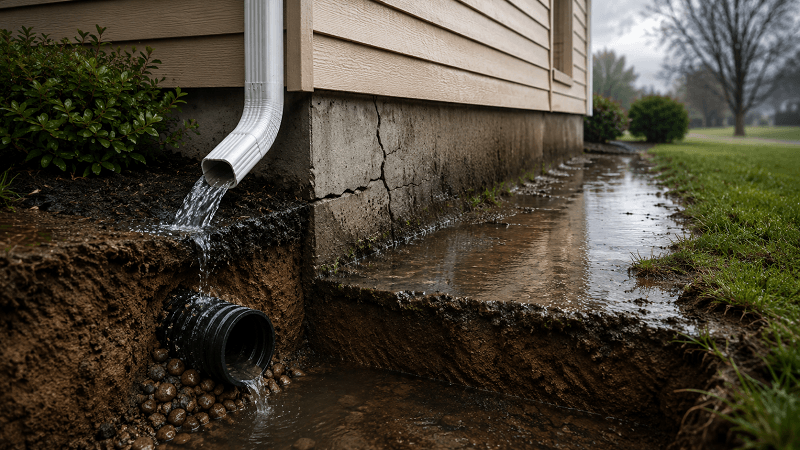
A funny thing happens when people talk about foundation problems. Everybody stares at the crack. Nobody talks about the puddle sitting twenty feet away like it’s innocent. Truth is, water is usually the ringleader in this circus.
I learned that the hard way years ago after a spring storm turned my backyard into what looked like a tiny wildlife preserve. Frogs loved it. My basement wall? Not so much. At first, it was just a faint crack near a storage shelf. Barely noticeable. I ignored it because, honestly, life gets busy, and concrete cracks don’t exactly scream for attention the way a leaking roof does. A few months later, the wall started sweating moisture whenever it rained, and suddenly I was Googling Acculevel at midnight, holding a flashlight and questioning all my adult decisions.
That’s the sneaky thing about drainage problems. They don’t arrive wearing combat boots. They tiptoe around the outside of your home for years, shifting soil, soaking foundations, and quietly turning tiny weaknesses into expensive headaches. Sometimes the warning signs are obvious. Other times? Not even close.
And people miss them constantly.
That Innocent Little Gutter Overflow? Yeah, It Matters
Most homeowners think gutters are basically rain accessories. Metal eyebrows for the roof. But when they clog or overflow, water spills directly beside the foundation over and over again.
Not occasionally. Repeatedly.
During heavy rain, a clogged section can dump gallons of water into the same patch of soil with every storm. That ground swells like bread dough left out too long, and the pressure pushes against the basement walls nonstop.
Then winter rolls around.
Water freezes. Expands. Tiny foundation cracks widen just a hair more. Spring comes back, and the cycle repeats like a really annoying streaming series nobody asked for.
Overflow Patterns Tell Stories
You can actually spot foundation stress patterns outside before anything dramatic happens indoors. Look for:
- Soil trenches beneath gutters
- Mulch washing away
- Green algae near the base of walls
- Pools of standing water after storms
- Cracks forming along walkways
Those aren’t cosmetic quirks. They’re clues. Your house is basically muttering under its breath trying to get your attention.
Soil Is Moody. Seriously.
People think foundations fail because concrete suddenly “goes bad.” Usually, the problem starts underground where nobody’s paying attention.
Soil expands when soaked. Soil shrinks during dry spells. Clay-heavy soil, in particular, behaves like it’s emotionally unstable. One week, it’s swollen from the rain. Next month, it contracts during heat waves, leaving tiny voids beneath sections of the foundation.
That movement matters more than people realize.
A house doesn’t need dramatic sinking to develop stress. Even subtle shifting can create:
- Uneven floors
- Sticking doors
- Hairline wall cracks
- Gaps around windows
- Strange creaking sounds
And those sounds always happen at 2:17 a.m. Never noon. Houses apparently enjoy suspense.
Downspouts Are Constantly Framed for Crimes They Didn’t Commit Alone
Everybody blames gutters, but downspouts deserve equal interrogation.
Even a perfectly clean gutter system can cause trouble if the downspouts dump water right beside the house. I’ve seen homes where the runoff landed less than a foot from the foundation. At that point, you’re basically power washing the soil around your basement every time it rains.
Water needs distance. Real distance.
Ideally, runoff should move several feet away from the structure. Otherwise, the same moisture just keeps recycling around the foundation like bad gossip in a small town diner.
Extensions Aren’t Glamorous, But They Work
Nobody posts Instagram photos of a downspout extension. They’re not sexy. Neither is foundation stabilization, though, and one of those costs a whole lot less.
Simple drainage improvements often prevent bigger structural issues later:
- Downspout extenders
- French drains
- Regrading low areas
- Gravel trenches
- Swales in the yard
Not a thrilling dinner conversation. Very effective.
Landscaping Sometimes Causes More Problems Than It Solves
Here’s something people hate hearing after spending thousands on backyard renovations.
Certain landscaping designs quietly trap moisture against the home.
Flower beds are packed tightly against the basement walls. Thick mulch holds water like a sponge. Decorative edging that blocks runoff. Overwatered shrubs. It all adds up.
A neighbor near me once installed gorgeous stone borders around the entire house. Looked incredible. Two years later, he had basement seepage because the setup basically redirected every storm toward the foundation. Beautiful? Sure. Functional? Not remotely.
Sometimes, curb appeal runs counter to structural common sense, and common sense usually deserves the win.
Basement Cracks Don’t Usually Start Dramatically
People expect giant zigzag cracks, like something out of a disaster movie. Real life is sneakier.
Most foundation cracks begin as tiny. Thin little lines people shrug off for years.
Then moisture joins the party.
Water seeps into the crack. The surrounding concrete weakens slowly. Freeze-thaw cycles widen the opening. Hydrostatic pressure increases underground. One day the crack starts leaking during storms and suddenly everyone’s scrambling for buckets and dehumidifiers.
Horizontal Cracks Deserve Respect
Not all cracks carry equal risk.
Vertical hairline cracks might simply reflect settling. Horizontal cracks though? Different story. Those often signal pressure pushing inward against basement walls.
That’s the kind of thing worth investigating early because bowing walls are not a fun surprise later.
Trust me.
Hydrostatic Pressure Sounds Fancy, But It’s Basically Underground Bullying
Hydrostatic pressure is just water pushing against your basement walls from outside. Constantly.
After heavy rain, the soil surrounding your foundation becomes saturated. Water has nowhere to go, so it presses against the concrete. Over time, that pressure can force moisture through tiny openings or even create new cracks entirely.
It’s weirdly relentless.
Concrete is strong, but water is patient. Patients win more often than people think.
Driveways and Patios Secretly Influence Foundation Health Too
This catches homeowners off guard all the time.
A cracked driveway or sunken patio doesn’t just affect aesthetics. It changes how water flows around the property.
If a patio slopes toward the house instead of away from it, runoff heads directly for the foundation during storms. The same goes for uneven walkways and settled concrete slabs.
One crooked slab can redirect hundreds of gallons of water over a season. That’s not minor.
I once watched rainwater stream off a patio straight into a basement window well like somebody intentionally designed a tiny moat. The homeowner kept wondering why the basement smelled damp every spring. Well. There it was.
Tree Roots Complicate Everything
Trees are wonderful until they start behaving like underground thieves.
Large roots absorb moisture aggressively during dry weather, which changes soil consistency around the foundation. Some roots also physically interfere with drainage systems and underground pipes.
Then the rain returns. Soil re-expands unevenly. The foundation shifts slightly.
Repeat that process over several years, and you get structural movement nobody notices until doors stop closing correctly.
Mature Trees Create Uneven Moisture Zones
This is especially true with giant maples and oaks near older homes.
One side of the foundation remains relatively stable, while the other experiences constant moisture fluctuations. Differential settling follows, and suddenly the floor slopes enough that marbles start rolling across the kitchen for no apparent reason.
Not ideal.
Crawl Spaces Collect Problems Like Magnets
Crawl spaces are the forgotten basements of the housing world.
Nobody wants to go down there. They’re cramped, dusty, and generally smell like abandoned gym shoes mixed with wet cardboard. But drainage issues show up there fast.
Poor outdoor water management can create:
- Mold growth
- Sagging insulation
- Rotting beams
- Humidity spikes
- Pest infestations
And because most people never inspect crawl spaces regularly, damage often spreads quietly for years.
Honestly, crawl spaces deserve more sympathy. They absorb everybody else’s mistakes.
Sometimes the Warning Signs Feel Weirdly Random
That’s another reason drainage problems get ignored. The symptoms don’t always seem connected.
A sticking door upstairs. A crack near the fireplace. Damp carpet edges in the basement. Slight floor sloping in the dining room.
Individually, those things seem unrelated. Together, they often point toward shifting conditions around the foundation.
Houses Tend to Whisper Before They Scream
Most structural issues begin subtly.
You notice a tiny change. Then another six months later. Then maybe a weird smell after storms. People adapt gradually, so the progression feels normal even when it absolutely isn’t.
Humans are surprisingly good at ignoring slow-moving disasters. Probably why we still click “remind me tomorrow” on software updates.
Seasonal Weather Keeps the Whole Cycle Going
Spring saturates the soil.
Summer dries it out.
Autumn dumps leaves into gutters.
Winter freezes trapped moisture underground.
Every season contributes something to foundation stress. Homes in regions with dramatic weather swings experience even more movement because the soil never really stabilizes for long.
Your foundation is basically enduring four different personality types every year.
Water Never Needs a Huge Opening
This part surprises people the most.
A basement doesn’t need a giant crack to develop moisture problems. Tiny openings are enough. Water follows the path of least resistance, and once it finds one, it keeps returning there repeatedly.
Like a raccoon that discovers unsecured trash cans.
Over time, moisture spreads into:
- Drywall
- InsulationFlooring systems
- Wooden framing
- Stored belongings
That’s when musty smells begin showing up, and the air starts feeling oddly damp downstairs.
Mold Is Usually the Secondary Villain
Water starts the problem. Mold escalates it.
Persistent basement moisture creates ideal conditions for mold growth, especially in dark corners or behind finished walls. Some homeowners don’t even realize they have moisture intrusion until allergy symptoms or strange odors start appearing.
And mold remediation? Expensive. Really expensive.
That’s why addressing drainage early matters so much. You’re not just protecting concrete. You’re protecting the entire indoor environment.
Small Maintenance Habits Matter More Than People Think
Foundation protection rarely comes from one massive fix. Usually, it’s a bunch of smaller habits done consistently.
Things like:
- Cleaning gutters twice a year
- Watching how water flows during storms
- Checking for pooling near the house
- Extending downspouts
- Inspecting basement walls seasonally
- Avoiding overwatering landscaping
Simple stuff. Unexciting stuff. Effective stuff.
People love dramatic home upgrades, but honestly? Sometimes, the humble drainage extension deserves a standing ovation.
There’s Also the Financial Side Nobody Likes Discussing
Foundation issues scare buyers fast.
Even relatively small basement cracks can complicate home sales because buyers immediately imagine catastrophic repair bills. Some back out entirely once structural concerns appear in inspection reports.
Preventive drainage maintenance costs far less than major structural remediation later. That’s not marketing fluff. It’s just reality.
Water damage compounds quietly and compounds quickly.
Final Thought Before You Ignore That Puddle Again
Here’s the strange thing about drainage problems. They almost never look urgent in the beginning.
A little overflow here. Damp soil there. Maybe a hairline crack, unnoticed behind storage boxes. Life moves on.
Until it doesn’t.
Foundations rarely fail dramatically out of nowhere. Most of the time, they’ve been sending signals for years through subtle moisture patterns, shifting soil, and small structural clues people brushed aside because everything still “seemed fine.”
So next time you walk around your yard after a storm, pay attention. Watch where the water goes. Notice what stays soggy. Look at the gutters. Glance at the basement walls.
Your house might already be trying to tell you something.