
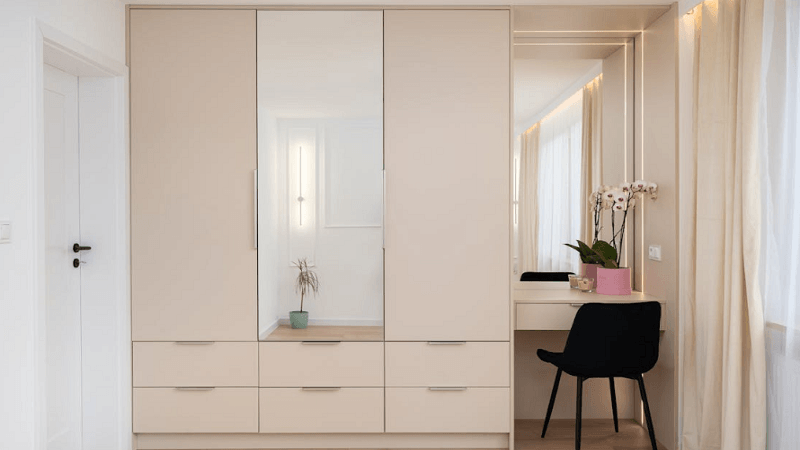
Creating a beautiful custom wardrobe demands not only artistic skills but also thorough knowledge about the materials and their behavior and longevity. The choice of material by an interior designer influences durability, maintenance, customer satisfaction, and the budget of a project. Below you will find information about the most widespread materials that are used to construct a wardrobe closet.
A custom wardrobe closet is a long-lasting product. It differs from other types of furniture as it becomes a part of the overall architecture and is supposed to withstand years of usage. Proper material selection makes a wardrobe durable, moisture-resistant, aesthetically pleasing, and cost-effective.
Why Material Selection Matters in a Custom Wardrobe
A custom wardrobe closet is a long-term investment. Unlike standalone furniture, it integrates into the architectural framework of a space and is expected to endure daily use for years. The right material enhances:
-
Structural integrity
-
Moisture and wear resistance
-
Visual appeal
-
Cost efficiency over time
Poor material choices, on the other hand, can lead to warping, delamination, or frequent maintenance issues that can undermine both design intent and client trust.
Solid Wood: Premium Durability with Higher Costs
Solid wood remains one of the most prestigious materials for a wardrobe closet, favored for its natural beauty and strength.
Pros:
-
Exceptional durability and load-bearing capacity
-
Timeless aesthetic with natural grain patterns
-
Can be refinished or repaired easily
Cons:
-
High cost compared to engineered materials
-
Susceptible to humidity changes (expansion and contraction)
-
Requires proper sealing and maintenance
Best Use:
Solid wood is ideal for luxury projects or statement pieces where the budget is less constrained. It works especially well in master bedrooms or high-end residential developments.
Cost Range:
High — typically 2–3 times more expensive than engineered wood options.
Plywood: The Balanced Performer
Plywood is widely regarded as one of the most reliable materials for a custom wardrobe. Made by layering thin wood veneers, it offers a strong balance between performance and cost.
Pros:
-
Excellent strength and dimensional stability
-
Resistant to cracking and warping
-
Suitable for humid environments when marine-grade is used
Cons:
-
More expensive than MDF or particleboard
-
Requires finishing layers like laminate or veneer
Best Use:
Plywood is ideal for carcass construction and structural components in mid- to high-range wardrobe closet systems.
Cost Range:
Medium to high — but offers strong long-term value.
MDF (Medium-Density Fiberboard): Smooth and Cost-Effective
MDF is a popular choice for designers prioritizing smooth finishes and budget control.
Pros:
-
Smooth surface ideal for paint and laminates
-
More affordable than plywood
-
Resistant to cracking
Cons:
-
Lower screw-holding strength
-
Not moisture-resistant unless treated
-
Heavier than particleboard
Best Use:
MDF works well for doors, panels, and decorative elements in a custom wardrobe closet, especially in dry environments.
Cost Range:
Medium — a cost-efficient option for aesthetic-focused designs.
Particleboard: Budget-Friendly but Limited Durability
Particleboard is often used in entry-level projects due to its affordability.
Pros:
-
Low cost
-
Lightweight and easy to handle
-
Suitable for laminated finishes
Cons:
-
Poor durability and load-bearing capacity
-
Highly susceptible to moisture damage
-
Shorter lifespan
Best Use:
Particleboard is best reserved for low-budget or temporary installations where cost savings are prioritized over longevity.
Cost Range:
Low — the most economical option available.
Laminates: Versatile Surface Finishes
While not a core material, laminates are essential for enhancing the appearance and durability of a wardrobe closet.
Pros:
-
Wide range of colors, textures, and patterns
-
Scratch-resistant and easy to clean
-
Cost-effective finishing solution
Cons:
-
Can peel or chip over time if poorly applied
-
Less premium feel compared to veneer
Best Use:
Laminates are commonly used over MDF or plywood to achieve modern, uniform finishes.
Cost Range:
Low to medium, depending on quality and design.
Veneer: Natural Look with Controlled Cost
Wood veneer provides the aesthetic of solid wood without the associated cost.
Pros:
-
Authentic wood appearance
-
More stable than solid wood
-
Cost-effective alternative to hardwood
Cons:
-
Requires careful handling and finishing
-
Limited refinishing compared to solid wood
Best Use:
Veneer is ideal for high-end custom wardrobe designs where natural aesthetics are important, but budgets are controlled.
Cost Range:
Medium to high.
Glass and Metal Accents: Modern Enhancements
In contemporary wardrobe closet designs, glass and metal elements are often incorporated for visual contrast and functionality.
Glass Pros:
-
Adds elegance and openness
-
Available in frosted, tinted, or clear options
Metal Pros:
-
Enhances structural support
-
Provides a sleek, modern look
Cons:
-
Higher cost for premium finishes
-
Requires careful integration to avoid overdesign
Best Use:
Accent elements in doors, handles, or framing systems for modern interiors.
Material Comparison Summary
Key Considerations for Interior Designers
When specifying materials for a custom wardrobe closet, consider the following:
1. Project Budget
Balance client expectations with material performance. Recommend plywood or MDF combinations for mid-range projects.
2. Environmental Conditions
In humid climates, prioritize moisture-resistant materials like marine plywood or treated MDF.
3. Design Intent
For minimalist or modern interiors, laminates and glass work well. For classic styles, opt for veneer or solid wood.
4. Longevity and Maintenance
Educate clients on maintenance requirements, especially when using natural materials like wood or veneer.
Conclusion
Selecting the right materials for a custom wardrobe is a strategic decision that combines design vision with technical expertise. By understanding the durability, cost, and application of each material, interior designers can deliver solutions that are both functional and visually compelling.