
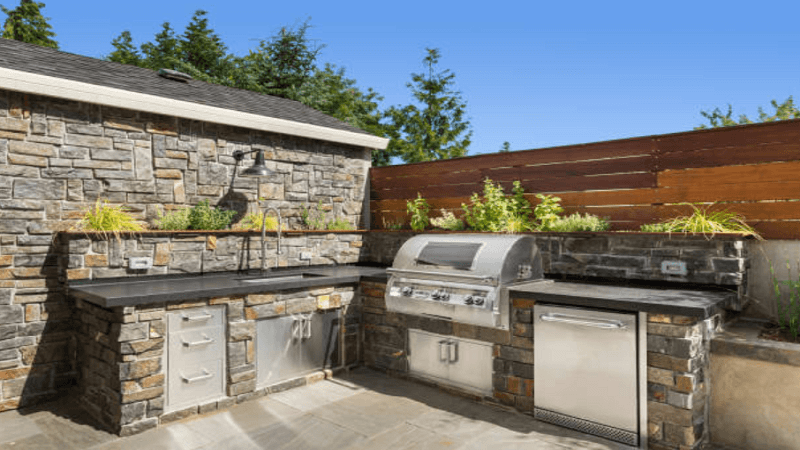
Have you ever asked yourself why cooking outside feels more tiring than enjoyable, even when your backyard looks good at first glance?
In many homes, the problem is not the cooking area itself. Instead, it often comes down to a few planning mistakes that affect comfort, movement, safety, and cleanup.
A well-planned backyard should support both cooking and dining without making either task harder. When the layout is off, simple meals can turn into frustrating work. The good news is that many of these issues can be fixed with practical changes.
Why Backyard Layout Matters
Outdoor cooking works best when the space supports how people actually move, prepare food, serve meals, and clean up. A backyard can look attractive but still create daily problems if the cooking zone is too exposed, too cramped, or too far from the dining area.
Before adding furniture or cooking equipment, it helps to look at how the full space functions. Small layout errors often create bigger problems over time.
1. Placing The Cooking Area Too Far From The House
One of the most common mistakes is setting the cooking area too far from the kitchen door. At first, this may seem fine. However, carrying trays, ingredients, utensils, and cleaning supplies across a long distance quickly becomes tiring.
This setup also leads to more back-and-forth trips, which slows down meal prep and makes hosting less comfortable. A better approach is to keep the outdoor cooking zone close enough to the house for easy access, while still allowing proper airflow and open space.
2. Ignoring Wind And Smoke Direction
Smoke can turn a pleasant meal into an uncomfortable experience very quickly. If the cooking area is placed without thinking about wind direction, smoke may blow into seating areas, open windows, or doorways.
This issue matters even more for people using charcoal grills, since smoke output can be heavier during longer cooking sessions. Before choosing a fixed position, observe how air moves across the backyard during the times you usually cook. That simple step can help prevent irritation and improve comfort for everyone nearby.
3. Creating A Tight And Crowded Work Zone
Outdoor cooking needs more room than many homeowners expect. If the cooking area is squeezed between walls, planters, or bulky furniture, movement becomes awkward. That can make prep, turning food, and serving plates more difficult than necessary.
People often focus only on where the grill will sit, yet the full work zone matters just as much. There should be enough room to stand, turn, carry hot dishes, and open storage safely. This becomes especially important when comparing different bbq grills, since sizes and side workspace needs can vary. A clear layout supports smoother cooking and reduces stress during busy meals.
Common Problems Around Cooking And Dining Zones
A backyard should not separate cooking and dining in a way that makes serving feel like a chore. These areas should work together, not compete with each other.
Once the basic layout is set, the next step is checking how people use the space during real meals and gatherings.
4. Separating The Dining Area From The Cooking Space
When the table is too far from the cooking area, serving becomes less efficient. Food may cool down before it reaches the table, and the person cooking often feels cut off from the rest of the group.
A closer connection between cooking and dining helps the whole space feel more functional. The goal is not to place everything too close together, but to create a practical flow. For example, a short walking path between the two zones makes a noticeable difference during family meals or small gatherings.
5. Forgetting Prep And Landing Space
Many backyards include cooking equipment, but very little nearby surface area. That creates a serious problem during meal prep. Without enough landing space, people end up balancing plates, tools, and ingredients in unsafe or awkward spots.
This becomes even more important for homeowners using gas grills for quick weeknight meals, since faster cooking still requires space for prep, seasoning, and serving. A nearby counter, side table, or weather-friendly work surface can make outdoor cooking far more efficient.
6. Overlooking Lighting And Evening Visibility
Outdoor cooking does not stop when daylight fades. Still, many backyards have poor lighting around the cooking and dining areas. That can make it hard to check food properly, move safely, or clean up after dinner.
Good lighting should cover the grill area, walkways, prep surfaces, and seating zone. Soft ambient lighting can help the space feel welcoming, while brighter task lighting supports safe cooking. When both are used well, the backyard becomes easier to use and more comfortable after sunset.
Final Thoughts
A backyard does not need a full renovation to work better for outdoor cooking. In many cases, the real problem comes from layout choices that interrupt movement, trap smoke, limit prep space, or separate cooking from dining.