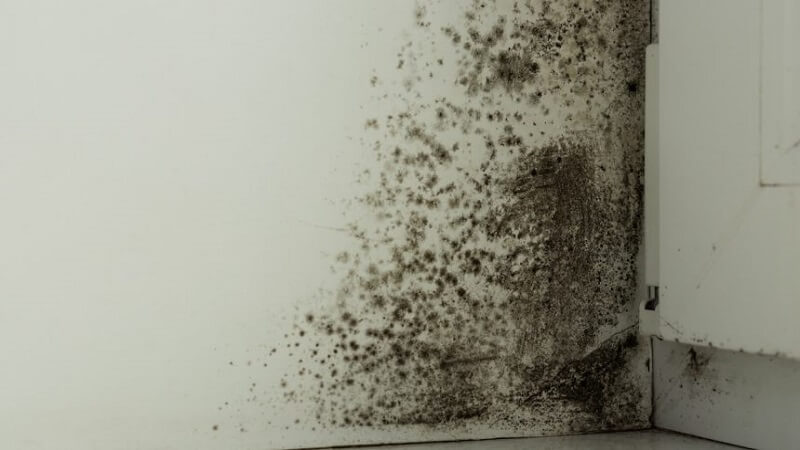
An Atlanta homeowner notices a mild, musty smell in the basement or guest bathroom. Because Georgia is famous for its “thick” air, the scent is often dismissed as nothing more than seasonal humidity. Life carries on, but within weeks, dark speckling appears on the baseboards and a fuzzy white film coats the back of a closet.
The primary misconception is that mold is a slow-growing nuisance that is easily controlled with a bottle of spray. In reality, Atlanta’s unique environment causes mold to behave with unexpected aggression. It moves faster, penetrates deeper, and persists longer than in most other regions. In humid climates like this, mold growth is not just common: it is accelerated by environmental conditions that most homeowners underestimate until the damage is structural.
Atlanta’s Climate Creates a Perfect Storm for Mold
Heat, Humidity, and Long Growing Seasons
Unlike colder regions where a hard freeze might provide a seasonal reset, Atlanta provides mold with nearly uninterrupted growth conditions throughout the year.
The city’s high year-round humidity levels act as a constant fuel source. Combined with warm temperatures that rarely stay below freezing for long, the environment remains in the “ideal growth zone” for months on end. This extended summer season means that moisture in the air is sustained, never giving building materials a chance to fully dry out.
Expert Insight: Many standard blogs miss the “Atlanta Dew Point Trap.” During our summer nights, the temperature drops just enough to hit the dew point inside crawl spaces while the air remains at 90 percent humidity. This creates a nightly “indoor rain” effect that feeds mold even when it hasn’t rained for weeks.
Why Indoor Environments Amplify the Problem
When Outdoor Humidity Moves Inside
Mold problems are often intensified indoors, where moisture becomes trapped rather than evaporating into the breeze. Humid air enters the home through ventilation, door seals, and small structural openings.
Once inside, air conditioning creates cold surfaces on drywall and metal ductwork. When the hot, humid air hits these cold surfaces, it condenses into liquid water. In enclosed areas like crawl spaces and attics, this moisture has nowhere to go, creating a stagnant, damp microclimate where mold thrives.
The Role of Building Design in Atlanta Homes
Structural features common in Southern homes often increase the risk of an aggressive infestation. Many Atlanta houses are built over crawl spaces, which are notorious for harboring ground moisture.
Attics with inconsistent ventilation also trap rising heat and humidity, while improperly installed insulation can act as a sponge, holding water against wooden framing. Mold growth is often driven as much by these building design flaws as by the environmental conditions themselves.
How Mold Spreads Faster Than Homeowners Realize
The Hidden Growth Cycle
Mold does not need a flood to start: it only needs a bit of dampness. Spores are present in the air at all times, waiting for the right conditions.
| Stage of Growth | Timeline | Physical Impact |
| Germination | 24 to 48 Hours | Spores attach to a surface and begin to grow roots (hyphae). |
| Colonization | 3 to 12 Days | Mold becomes visible to the naked eye as it spreads across a surface. |
| Spore Production | 12 to 18 Days | The colony matures and releases new spores into the HVAC system. |
By the time you see a dark spot on the wall, the mold has usually already established a significant colony behind the drywall or under the flooring.
Why Mold Problems in Atlanta Tend to Recur
One of the most frustrating aspects for local homeowners is the “phantom mold” that returns every spring. This happens because most temporary fixes do not address the actual humidity levels. Ongoing moisture sources like damp crawl spaces or hidden pipe condensation keep the environment ready for regrowth. Seasonal humidity spikes reactivate dormant spores, proving that mold is a recurring problem as long as underlying moisture is not controlled.
Why Basic Mold Removal Often Falls Short
Removing visible mold without addressing moisture sources is a temporary gesture, not a solution. Basic surface cleaning often disturbs millions of spores, causing them to spread further through the home.
Furthermore, household cleaners often fail to treat the affected materials deeply enough, leaving the “roots” of the mold inside the wood or drywall. Without environmental control and professional-grade antimicrobial treatments, regrowth is almost a certainty in the Georgia heat.
When Professional Expertise Becomes Necessary
Recognizing Complex Mold Situations
There is a point where a situation has surpassed the limits of DIY cleanup. If mold appears in multiple rooms, or if a musty odor persists despite your best efforts, the problem is likely systemic.
In more advanced situations, homeowners often consult mold removal experts in Atlanta when mold growth extends beyond visible surfaces and requires a more comprehensive approach. Professional intervention is the only way to ensure that hidden growth behind walls or inside HVAC systems is identified and neutralized.
Actionable Checklist for Atlanta Homeowners
If you suspect a moisture problem, follow these steps to prevent an aggressive mold breakout:
- Monitor Humidity: Keep indoor humidity levels below 50 percent using a dehumidifier.
- Inspect the HVAC: Ensure your condensation drain line is flowing freely and not backing up into the pan.
- Check the Crawl Space: Look for standing water or fallen insulation, which are primary red flags.
- Audit the Attic: Verify that soffit vents are not blocked by insulation, allowing the attic to “breathe.”
- Seal the Gaps: Use weatherstripping to prevent humid outdoor air from “leaking” into your air-conditioned space.
Conclusion: Mold in Atlanta Is a Different Kind of Problem
Understanding why mold behaves so aggressively is the first step toward preventing long-term damage to your home. The combination of Atlanta’s climate, building structures, and constant moisture create a perfect environment for rapid fungal spread.
Most severe issues begin as small, overlooked signs that homeowners assume will resolve themselves. However, the most effective strategy is not removal alone: it is controlling the conditions that allow it to grow in the first place. For those facing a persistent issue, seeking professional mold removal experts in Atlanta is the best way to regain control over your home’s air quality and structural health. Addressing the environment is the only way to ensure the mold stays gone for good.