
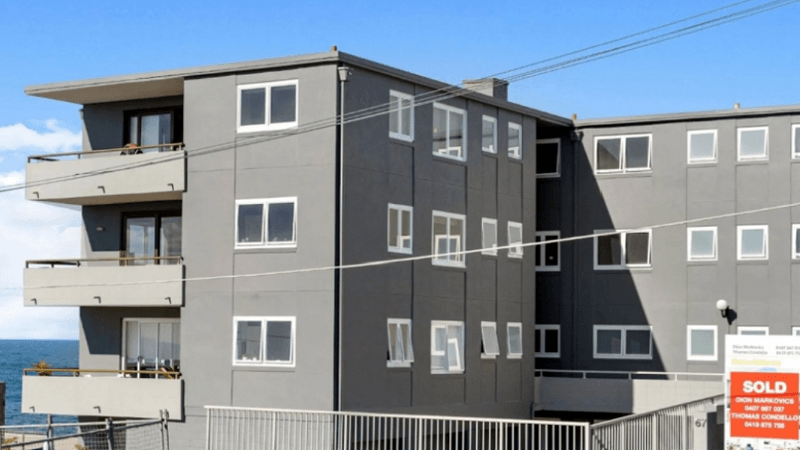
Window leaks in strata buildings can lead to serious structural damage if they are not identified early. Because multiple units share building elements such as external walls and window systems, even a small leak can affect more than one property. For this reason, building managers and residents often rely on a strata window leak checklist to detect issues before they develop into costly repairs.
Recognising early warning signs is essential for maintaining the condition of the building and protecting individual lots from water damage. Early detection allows timely repairs and helps prevent long term deterioration.
Understanding Why Window Leaks Occur
Window leaks are usually caused by a combination of environmental exposure and building wear over time. Factors such as heavy rain, wind pressure, ageing sealants, and poor installation can all contribute to water entering around window frames. In strata buildings, windows are often part of the building’s external structure, which means any failure in sealing or waterproofing can impact both common property and private units. Understanding these causes helps property owners and managers remain vigilant when inspecting windows.
Visible Water Stains Around Windows
One of the earliest and most noticeable signs of a window leak is the appearance of water stains. These stains may appear on walls, ceilings, or window frames near the affected area. Water stains often look like discoloured patches or streaks and may become more visible after periods of rain. Even small stains should not be ignored, as they can indicate that moisture is entering the building and affecting internal surfaces.
Peeling Paint or Bubbling Surfaces
Moisture trapped behind painted surfaces can cause paint to peel, blister, or bubble. This is a common indicator of water ingress around windows. When water seeps into walls, it disrupts the bond between the paint and the surface underneath. Over time, this can lead to visible damage that worsens if the leak continues. Regularly checking for changes in paint condition near windows can help identify leaks early.
Damp or Musty Odours
Unexplained damp or musty smells inside a unit may indicate hidden moisture issues. Water that enters through window frames can become trapped within walls or flooring materials. This trapped moisture creates an environment where mould and mildew can develop, producing noticeable odours. If these smells are present near windows or external walls, further investigation may be needed to identify potential leaks.
Swelling or Warping of Materials
Materials such as timber, plasterboard, and laminate can absorb moisture when exposed to water over time. This may cause swelling, warping, or softening of surfaces near windows. Window frames themselves may also show signs of distortion if water infiltration is ongoing. These changes often indicate prolonged exposure to moisture and should be addressed promptly to prevent further damage.
Condensation Build-Up
While condensation is not always a sign of a leak, excessive or persistent condensation around windows may indicate underlying issues with sealing or insulation. If condensation appears frequently on internal window surfaces, it may be worth checking whether external moisture is entering through gaps or deteriorated seals. Distinguishing between normal condensation and water ingress is important when assessing potential problems.
Cracks or Gaps Around Window Frames
Physical gaps or cracks around window frames can allow water to enter during rain or windy conditions. Over time, sealants and caulking materials may deteriorate, leaving openings for moisture to pass through. Inspecting the perimeter of windows for visible gaps, loose fittings, or damaged seals can help identify potential entry points for water. Maintaining these seals is essential for preventing leaks.
Mould Growth Near Windows
Mould growth is a clear sign that moisture is present within the building. Mould may appear as dark spots or patches on walls, ceilings, or window frames. Because mould thrives in damp environments, its presence near windows often indicates water ingress or poor ventilation. Addressing the source of moisture is essential to prevent mould from spreading and affecting indoor air quality.
Increased Indoor Humidity
Unexpected increases in indoor humidity levels may also suggest water is entering the building. This can make rooms feel damp and uncomfortable, especially near windows or external walls. Monitoring humidity levels and noting any changes after rainfall can help identify patterns that point to window leaks. Consistent humidity issues should be investigated to determine their source.
The Importance of Regular Inspections
Regular inspections are one of the most effective ways to detect early signs of window leaks. Building managers and residents should inspect windows periodically, especially after heavy rain or storms. Using a structured checklist helps ensure that all potential problem areas are examined thoroughly. Early detection allows repairs to be carried out before damage spreads to other parts of the building.
When to Seek Professional Assistance
If signs of a window leak are identified, it is important to seek professional advice. Licensed building inspectors or window specialists can assess the condition of the window system and identify the source of the problem.
Professional assessments may include testing for water penetration, inspecting sealants, and evaluating structural components. Prompt professional intervention helps prevent further damage and ensures that repairs are completed correctly.
Conclusion
Identifying early signs of window leaks in strata buildings is essential for protecting both individual units and shared property. Issues such as water stains, peeling paint, damp odours, and mould growth can all indicate moisture entering through window systems.
By conducting regular inspections and addressing problems early, property owners and building managers can prevent minor issues from developing into major structural concerns. Using a consistent inspection approach and seeking professional assistance when needed helps maintain the long term integrity of the building and ensures a safe and comfortable living environment for all residents.