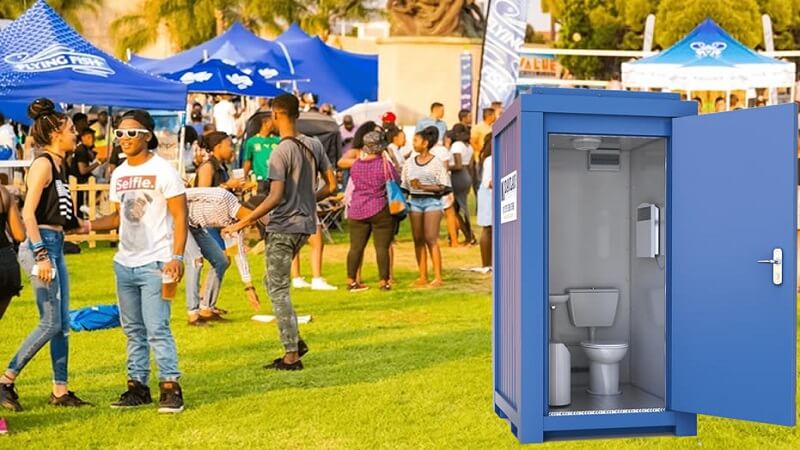
Municipal events bring communities together, whether through festivals, parades, outdoor concerts, or seasonal celebrations. While planning often focuses on programming, vendors, and crowd engagement, sanitation is one of the most important operational considerations behind the scenes. Providing adequate restroom access is essential to maintaining a positive attendee experience and ensuring events run smoothly.
Portable sanitation plays a central role in event planning, especially for outdoor or temporary venues where permanent facilities are limited or unavailable. For municipal event organizers, understanding how to plan, place, and manage these resources can make a significant difference in both logistics and public perception.
Understanding Attendance and Usage Patterns
The number of portable restrooms required depends largely on expected attendance and how long attendees will remain onsite. Events with high foot traffic over short periods may have different needs than those where attendees stay for several hours.
Organizers typically consider:
- Total projected attendance
- Event duration
- Availability of food and beverages
- Demographics of attendees
- Time of day and weather conditions
Events that include food vendors or alcohol service often require additional units due to increased usage. Accurately estimating attendance and usage patterns helps ensure adequate restroom capacity throughout the event.
Choosing the Right Types of Units
Portable sanitation is not limited to standard units. Municipal events often benefit from a mix of restroom types depending on the audience and event scale.
Common options include:
- Standard portable restrooms for general use
- ADA-compliant units for accessibility
- Handwashing or sanitizing stations
- Higher-capacity units for large gatherings
Providing a range of options helps accommodate diverse attendee needs while maintaining accessibility standards.
Strategic Placement Across Event Grounds
Where portable restrooms are placed is just as important as how many are provided. Poor placement can lead to long lines in certain areas while other units remain underutilized.
Organizers often distribute units throughout the event space, placing them near:
- Food and beverage areas
- Main stages or gathering points
- Entry and exit zones
- Parking areas
At the same time, restrooms should be positioned away from high-traffic pedestrian pathways to prevent congestion. Clear signage also helps attendees locate facilities quickly.
Planning for Service and Maintenance
For multi-day or high-attendance events, servicing portable restrooms is essential to maintaining cleanliness and usability. Depending on the size and duration of the event, units may need to be cleaned, restocked, and emptied during the event itself.
Coordinating service schedules in advance ensures that facilities remain in good condition throughout the event. Service vehicles must also be able to access the units without disrupting attendees or event activities.
Working with experienced providers such as porta john rental services can help organizers establish appropriate service plans based on event size and duration.
Supporting Accessibility and Compliance
Municipal events must meet accessibility standards to ensure all attendees have equal access to facilities. This includes providing ADA-compliant restrooms and placing them in accessible locations throughout the event space.
Compliance also extends to local regulations regarding sanitation, waste handling, and public health requirements. Organizers should be familiar with these guidelines and incorporate them into their planning process.
Ensuring compliance helps avoid issues during inspections and contributes to a more inclusive event environment.
Managing Peak Usage Periods
Most events experience peak periods when restroom demand increases significantly. These spikes often occur during intermissions, after performances, or during meal times.
Planning for these peak periods may involve increasing the number of units in high-traffic areas or distributing restrooms evenly to reduce crowding.
Understanding event flow helps organizers anticipate when and where demand will be highest.
Coordinating with Other Event Logistics
Portable sanitation must be integrated into the broader event layout. Restrooms should not interfere with vendor setups, emergency access routes, or pedestrian flow.
Organizers typically coordinate restroom placement alongside:
- Vendor booths and food trucks
- Waste disposal and recycling stations
- First aid and emergency services
- Security checkpoints
This coordination ensures that sanitation facilities support overall event operations rather than creating additional challenges.
Considering Environmental and Site Conditions
Outdoor events are often influenced by environmental factors such as terrain, weather, and available space. Portable restrooms should be placed on stable, level ground to ensure safe use.
Weather conditions can also affect placement decisions. For example, units may need to be secured or positioned in sheltered areas to account for wind or rain.
Evaluating site conditions in advance helps prevent issues during the event.
Enhancing the Attendee Experience
While sanitation is a basic necessity, it also plays a role in shaping the overall event experience. Clean, accessible restrooms contribute to attendee comfort and satisfaction.
Long lines, poorly maintained units, or difficult-to-find facilities can negatively impact how attendees perceive the event. By prioritizing sanitation planning, organizers can create a more positive and welcoming environment.
Planning for Setup and Removal
Portable restrooms must be delivered and installed before the event begins and removed promptly afterward. Coordinating delivery times ensures units are in place before vendors and attendees arrive.
After the event, timely removal helps restore the venue to its original condition and prevents unnecessary disruption to surrounding areas.
Working with a reliable provider helps streamline both setup and removal processes.
Portable sanitation is a fundamental component of successful municipal event planning. By understanding attendance patterns, selecting appropriate unit types, and coordinating placement and servicing, organizers can ensure restroom facilities meet the needs of attendees throughout the event.
When sanitation is integrated into the overall event plan, it supports smoother operations, improved compliance, and a better experience for everyone involved. Thoughtful planning and coordination help municipal events run efficiently while maintaining the comfort and satisfaction of the community they serve.