
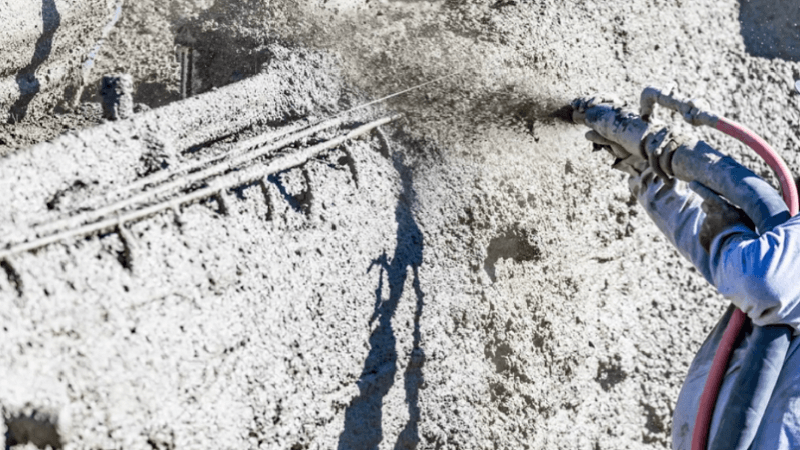
Shotcrete is widely used in civil construction projects because of its ability to provide strong structural support while adapting to complex surfaces. It is commonly applied in tunnels, retaining walls, slope stabilisation, and repair works where traditional concrete placement may be difficult. However, the effectiveness of shotcrete depends heavily on proper preparation and application techniques. Many construction professionals study common shotcrete application mistakes to understand how errors can affect structural integrity and project outcomes.
When applied correctly, shotcrete creates a durable and long lasting concrete layer. When mistakes occur during preparation or installation, the quality and performance of the finished structure can be compromised.
Poor Surface Preparation
One of the most common problems in shotcrete construction occurs before the material is even applied. Surface preparation plays a crucial role in ensuring strong adhesion between the shotcrete and the substrate. If the surface is covered with dust, debris, loose material, or moisture, the shotcrete may not bond properly. Weak bonding can lead to cracking, delamination, or sections of concrete separating from the surface. To avoid this issue, construction teams should thoroughly clean and prepare the substrate before application. Surfaces should be roughened where necessary to improve mechanical bonding and ensure proper adhesion.
Incorrect Mix Design
The quality of shotcrete is heavily influenced by the mix design used during preparation. Incorrect proportions of cement, aggregates, water, or additives can lead to poor strength and durability. A mix that contains too much water may reduce compressive strength, while insufficient water can make the mixture difficult to apply evenly. Inconsistent aggregate sizes may also affect the stability of the mixture during spraying. Carefully designed mix proportions and proper quality control during batching help ensure that the shotcrete achieves the required performance standards.
Inadequate Equipment Calibration
Shotcrete application requires specialised equipment that controls the delivery of the concrete mixture and compressed air. If equipment is not properly calibrated, the material may not be sprayed at the correct velocity or consistency. Low spray velocity can cause poor compaction and weak bonding, while excessive pressure may lead to material rebound or uneven placement. Regular equipment inspection and calibration help maintain consistent application conditions throughout the project.
Improper Nozzle Technique
The skill of the nozzle operator plays a significant role in the success of shotcrete application. Incorrect nozzle positioning or movement can create uneven layers and weak areas within the structure. For example, spraying at the wrong angle or distance may reduce compaction and create voids behind the applied layer. Inconsistent nozzle movement can also cause variations in thickness. Proper training and experience are essential for nozzle operators to maintain the correct angle, distance, and spraying pattern during application.
Excessive Rebound Material
Rebound refers to the material that bounces off the surface during shotcrete application instead of adhering to it. While some rebound is normal, excessive rebound can indicate poor application techniques or incorrect mixture properties. Rebound material should never be reused in the structure because it often lacks proper cement content and bonding properties. Maintaining proper nozzle technique, mixture design, and air pressure settings helps minimise rebound and improve overall application quality.
Insufficient Reinforcement Placement
In many projects, shotcrete is applied over reinforcing elements such as steel mesh or reinforcing bars. Proper placement of reinforcement is essential for achieving structural strength. If reinforcement is positioned too close to the surface or not adequately embedded within the shotcrete layer, it may not provide the intended support. Careful planning and installation of reinforcement ensure that the shotcrete fully surrounds the structural elements and provides proper load distribution.
Inadequate Layer Thickness
Shotcrete structures often require specific thickness levels to achieve design strength and durability. Applying layers that are too thin can reduce the structural capacity of the finished installation. Conversely, applying layers that are too thick at once may cause sagging or sloughing before the material sets. Construction teams should follow recommended thickness guidelines and apply multiple layers if necessary to achieve the desired structural performance.
Poor Curing Practices
Curing is a critical step in concrete construction, including shotcrete applications. Without proper curing, moisture may evaporate too quickly from the surface, leading to cracking and reduced strength. Effective curing helps maintain the hydration process that allows concrete to gain strength over time. Methods such as moisture retention systems, curing compounds, or protective coverings can help ensure that the shotcrete cures properly and develops the required durability.
Lack of Quality Control and Inspection
Another common mistake is insufficient monitoring during the application process. Without proper inspection and testing, problems may go unnoticed until structural issues appear later. Quality control procedures may include testing material properties, checking thickness measurements, and monitoring environmental conditions during application. Regular inspection ensures that any issues are identified early and corrected before they affect the overall performance of the structure.
Conclusion
Shotcrete is a versatile and effective construction material when applied correctly. However, the success of a shotcrete project depends on careful planning, skilled operators, and strict quality control throughout the process.
Common mistakes such as poor surface preparation, incorrect mix design, inadequate reinforcement placement, and improper curing can significantly affect the strength and durability of the finished structure. By understanding these potential pitfalls and following established best practices, construction teams can ensure that shotcrete applications deliver reliable performance and long lasting structural support.